No official announcement has been made regarding this decision, but news has circulated, leading to long queues of vehicles and individuals at the unmarked store situated in the Diplomatic Quarter of Riyadh.
The store, which opened in January 2024 for non-Muslim diplomats, now permits non-Muslim foreigners with Premium Residency to buy alcohol. This residency is granted to those possessing specialized skills, as well as investors and entrepreneurs.
Since the early 1950s, Saudi Arabia, home to Islam’s holiest sites, has prohibited alcohol. The store is largely viewed as a cautious step towards exploring the controlled sale of alcoholic beverages.
Crown Prince Mohammed bin Salman, along with his father, King Salman, has initiated a substantial liberalization agenda to attract tourism, enhance international business, and reduce the economy’s reliance on oil revenue.
The kingdom, which follows Islamic Sharia law, has opened movie theaters, permitted women to drive, and hosted large music festivals. However, political expression and dissent remain severely punished, sometimes even resulting in death penalties.
Alcohol continues to be banned for the general population.
The unmarked store bears resemblance to a duty-free outlet, although its ownership is officially undisclosed.
Security measures are stringent. Every visitor undergoes eligibility verification and is checked for security before entering. Use of mobile phones and cameras is prohibited inside, and staff meticulously inspect eyewear for smart glasses.
The Associated Press interviewed several customers exiting the store, who requested anonymity due to the stigma associated with alcohol consumption.
They reported that prices are notably high. While diplomats do not pay taxes on their purchases, those holding Premium Residency must.
Customers indicated that the store is relatively well-stocked, although some noted that the selection of beer and wine is somewhat limited.
The Premium Residency was established as a part of the country’s initiative to draw global talent. Unlike other residency permits, it does not require a Saudi sponsor and provides perks such as property ownership rights, business establishment, and family sponsorship. Eligibility demands considerable income or significant investment.
To enjoy a drink, Saudis and other residents frequently travel to neighboring Bahrain, where alcohol is legally available to both Muslims and non-Muslims. The island attracts many visitors from Saudi Arabia and the Gulf region during weekends and holidays, making it a favored retreat. A pricier alternative is visiting Dubai in the United Arab Emirates.
Some individuals resort to smuggled alcohol, which can be extremely costly, or bootleg liquor—often homemade and potentially dangerous, made with unsafe components.
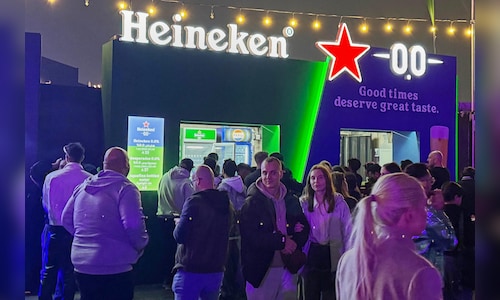
In Saudi Arabia, some people opt for alcohol-free beverages as substitutes, aiming to replicate the drinking experience and often sharing photos on social media. During major events and festivals, long lines at alcohol-free beer stalls are common, especially among young Saudis and visitors looking to enjoy the atmosphere.
King Abdulaziz, the founding monarch of Saudi Arabia, enacted the sale ban following a 1951 incident where his son, Prince Mishari, became intoxicated and fatally shot British vice consul Cyril Ousman in Jeddah.