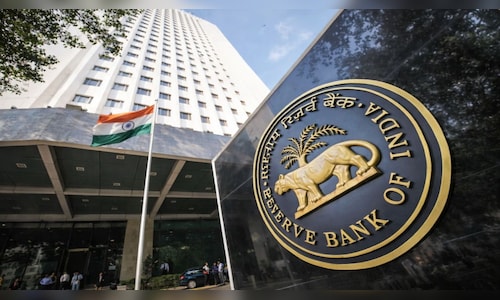
As per an RBI announcement, the committee will assess the readiness of the financial industry for adopting quantum-safe cryptography and propose a roadmap and framework to secure the Indian financial system against quantum threats.
Dr. Anil Prabhakar, a Professor in the Department of Electrical Engineering at IIT Madras, will lead the panel as Convener. It will also comprise senior representatives from the Department of Science and Technology (DST), State Bank of India (SBI), National Payments Corporation of India (NPCI), Ministry of Electronics and Information Technology (MeitY), Data Security Council of India (DSCI), and RBI.
Among its primary tasks, the committee will investigate and evaluate the effects of quantum technologies on the financial sector, including operational and cybersecurity risks involved.
Additionally, the committee will review the cryptographic resources in the financial sector through a Cryptography Bill of Materials (CBOM), assess the agility of cryptographic measures, and pinpoint systems and processes that could be susceptible to quantum threats.
Moreover, the panel will conduct a comparative analysis of global regulatory frameworks to evaluate their suitability for the secure implementation of quantum applications within the financial ecosystem.
The RBI indicated that the committee would also examine the industry’s readiness for adopting quantum-safe cryptography, including the accessibility, scalability, and maturity of available vendor tools and solutions.
Based on its findings, the panel will provide recommendations for a roadmap and framework aimed at enhancing the resilience and security of India’s financial infrastructure against impending quantum computing threats.
The committee is expected to submit its report within six months from its initial meeting.
(Edited by : Prashant)
First Published: May 25, 2026 5:59 PM IST