Former Ambassador to Iran, DP Srivastava, remarked that Tehran maintains a steadfast position of not returning to talks unless the blockade is removed. “Nothing will bring Tehran back unless the blockade is lifted,” he emphasized, noting that Iran feels it is negotiating “under duress” due to ongoing military and economic pressures.
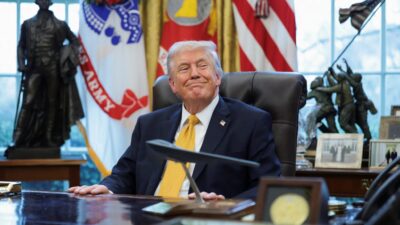
This standoff occurs as both Washington and Tehran seem entrenched in a high-stakes strategy. US President Donald Trump is implementing what Srivastava described as a “maximum pressure policy,” while Iran resists engagement without relief from sanctions affecting its oil exports. He pointed out that this prolonged disruption has imposed significant costs not only on Iran but also on Gulf economies, resulting in billions of dollars lost in oil revenues and potential long-term damage to production capabilities.
From a market viewpoint, Matt Wright, lead freight analyst at Kpler, warned that the economic repercussions for Iran may not be immediate despite the blockade. “They will continue to deliver cargoes, probably for another two to three months, before any real economic pain sets in,” he explained, highlighting that there are significant volumes of Iranian crude currently en route to key buyers like China.
However, Wright underscored that there is yet no clear evidence that Iranian oil shipments have successfully circumvented the US blockade. He added that while some vessels have turned off their tracking systems, “it is a stretch to say they have definitively bypassed the blockade.” He asserted that, for Washington to cause meaningful economic damage, the blockade must be maintained over an extended period. “If the US wants to apply real economic pressure, it needs to maintain the blockade for months, not just days,” he stated.
Sanjeev P. Yadav, founder of Banyan Tree Global, indicated that the US appears committed to sustained pressure until Iran yields significant concessions. He mentioned that the prevailing conditions—characterized by no active conflict, no agreements, and limited oil flows—favor Washington. “The US still holds leverage, and that leverage is diminishing for Iran with each passing day,” Yadav pointed out.
He added that Iran faces not only external pressures but also internal challenges, such as limited storage capacity and stress on aging oil fields, which may need to be shut down if exports remain restricted. While recognizing that US allies in the region are facing short-term disruptions, Yadav noted that the broader strategic alignment among Arab nations against Iran could strengthen over time.
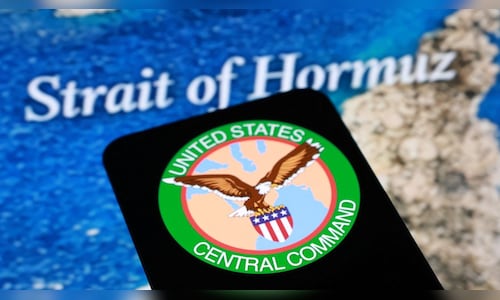
The geopolitical tensions have escalated in recent weeks, with both sides involved in vessel seizures and interceptions. Iran has reportedly attacked vessels navigating the Strait of Hormuz and seized multiple ships, while US forces have intercepted Iranian-flagged tankers in Asian waters. This situation has raised alarms regarding maritime security and disrupted global shipping routes.
To date, US Central Command has prevented over 30 vessels from entering the strait, underscoring the extent of the blockade. President Trump defended the maneuver, asserting that the blockade puts more pressure on Iran than direct military strikes, even as he extended the ceasefire indefinitely to permit space for negotiations.
Tehran, however, attributes the stagnation in talks to Washington’s actions, reiterating its stance that it will not engage without easing restrictions. Srivastava suggested that a potential path forward might include reciprocal actions from both sides, such as a temporary suspension of the blockade in exchange for Iran easing its actions in the strait.

Also Read | Donald Trump reposts controversial Birthright Citizenship post calling India, China ‘hellholes’
Meanwhile, the ongoing disruption has started to send ripples through global energy markets, with crude prices nearing $100 per barrel. Concerns have also surfaced over the logistical and operational difficulties of clearing the strait, with reports indicating that mine-clearing operations could take months, complicating any near-term resolution.
As the deadlock continues, analysts suggest that the future trajectory of the blockade—and whether either side is willing to compromise—will remain a critical factor influencing oil markets and geopolitical stability in the region.