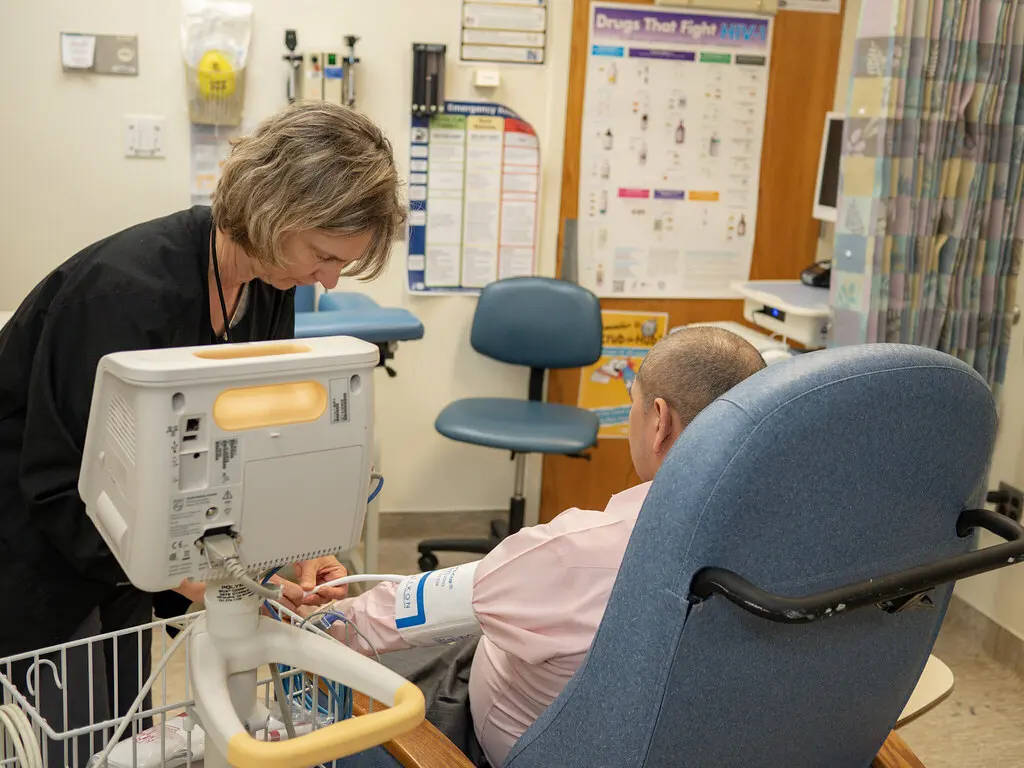
Trump reveals agreements with nine pharmaceutical companies to reduce drug prices.
3 min readThe companies Amgen, Bristol Myers Squibb, Boehringer Ingelheim, Genentech, Gilead Sciences, GSK, Merck, Novartis, and Sanofi will align their Medicaid drug prices with what they charge in other developed nations.
As part of the agreement, new medications from these companies will be offered at the so-called “most-favored-nation” pricing across the country for any newly launched drugs, applicable to all markets, including commercial, cash pay, as well as Medicare and Medicaid.
Patient drug prices in the U.S. can vary based on a range of factors, including treatment competition and insurance coverage. Most individuals are covered through their workplaces, individual insurance plans, or government programs like Medicaid and Medicare, which mitigate much of the out-of-pocket cost.
Medicaid recipients, a state and federally funded program for low-income individuals, already pay a minimal co-payment for prescriptions, but reduced prices could alleviate pressure on state budgets supporting these programs.
Lower drug costs will also benefit uninsured patients who lack bargaining power to negotiate better prices. However, even substantial discounts of 50% from the administration’s site might still result in patients paying hundreds of dollars monthly for certain prescriptions.
William Padula, a professor of pharmaceutical and health economics at USC, mentioned that Medicaid already enjoys favorable drug rates, which may be close to the “most-favored-nation” price, so the broader effects, including potential impacts on research and development, remain to be seen.
“It can’t be bad. I don’t foresee much downside, but it’s challenging to gauge what the upside might be,” Padula remarked.
While it is noteworthy that Trump succeeded in bringing major drug manufacturers to the negotiating table for lower prices, it will take years to assess how effective this initiative is in helping more people access necessary medications.
“It’s beneficial for their stock and promising for their future” research and development, Padula noted regarding pharmaceutical companies. “It’s clearly influential, but will it culminate in a significant impact? Ultimately, nothing matters unless our nation’s health improves.”
Officials from the Trump administration indicated that these drugmakers will also offer pharmacy-ready medications via the TrumpRx platform, launching in January, enabling consumers to purchase drugs directly from manufacturers.
Companies such as Merck, GSK, and Bristol Myers Squibb have also pledged to contribute significant supplies of active pharmaceutical ingredients to a national reserve, ensuring these can be formulated into essential medications like antibiotics, rescue inhalers, and blood thinners as emergencies arise.
Additionally, Bristol Myers Squibb, based in New Jersey, announced plans to provide its renowned blood thinner, Eliquis, at no cost to the Medicaid program. This medication is the company’s most prescribed drug and one of Medicaid’s top utilized treatments.
Padula remarked that these donations—covering some of the globe’s most vital medications—mark a crucial step toward health equity and affirm that drug companies can seek profits in other areas. Eliquis has already emerged as one of the most profitable drugs ever developed.
“It’s a considerate health equity initiative that they are capable of implementing, considering its blockbuster status,” Padula stated regarding the Eliquis donation.
Other significant drug manufacturers, including Pfizer, AstraZeneca, EMD Serono, Novo Nordisk, and Eli Lilly, have reached comparable agreements with the Trump administration earlier this year.
Although specific terms were not revealed, the administration has negotiated lower drug prices with 14 companies since Trump publicly addressed 17 pharmaceutical executives about the topic, highlighting that U.S. prices for brand-name drugs can be up to three times higher than averages found elsewhere.
Trump claimed he effectively pressured pharmaceutical companies with a 10% tariff threat to compel them to “do the right thing.”