
 1 / 10
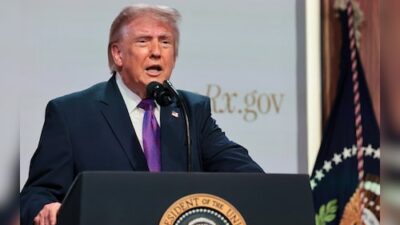
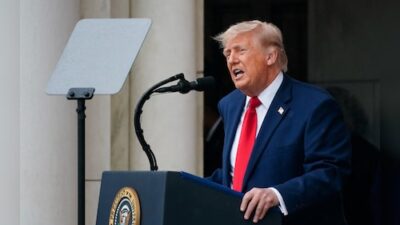
1. United States | In 2025, the US continued to be the biggest military spender worldwide, investing roughly $954 billion in defence. Although it held the top spot, military spending saw a 7.5% decrease from 2024, primarily due to the absence of new military aid for Ukraine in that year. Nonetheless, the US maintained substantial investments in conventional and nuclear capabilities to assert military superiority and deter China in the Indo-Pacific. According to SIPRI, this dip in spending is anticipated to be short-lived, with a significant increase expected in 2026. (Image: AI-Generated)
 2 / 10
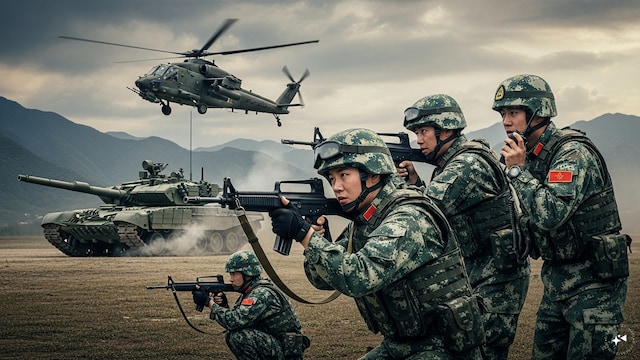
2. China | China placed second globally, with military expenditures of $336 billion in 2025. This marked a 7.4% increase, signifying the 31st consecutive year of budget growth for the military. The country persistently modernizes its armed forces, focusing on naval assets, missiles, aircraft, cyber capabilities, and innovative technologies. China’s ongoing defence expansion highlights its aim to enhance regional influence and military readiness amid intensifying competition in the Indo-Pacific. It holds the largest defence budget in Asia, contributing significantly to regional military expenses. (Image: AI-Generated)
 3 / 10
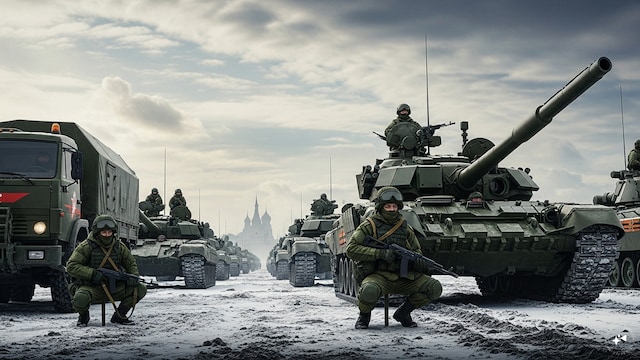
3. Russia | Russia occupied the third spot in global military spending in 2025, with expenditures reaching $190 billion—a 5.9% increase from the previous year. The ongoing war in Ukraine continues to impact military budgets, which account for a considerable portion of Russia’s economy. As reported by SIPRI, Russia’s military expenses constituted 7.5% of its GDP, one of the highest proportions among major economies. Increased oil export revenues may enable Moscow to sustain or even elevate military expenditures if the conflict persists. (Image: AI-Generated)
 4 / 10
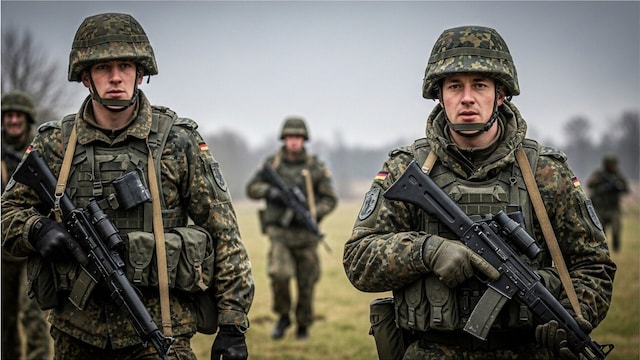
4. Germany | Germany has positioned itself as the top military spender in Europe for 2025, allocating $114 billion to defence, reflecting a significant 24% increase. This rise is indicative of Berlin’s efforts to bolster military readiness in response to heightened security concerns on the continent. The military burden crossed 2% of GDP for the first time since 1990, reaching 2.3%. Increased defence outlays are driven by commitments to NATO, military modernization, and Europe’s broader move towards greater security self-reliance amidst rising geopolitical tensions. (Image: AI-Generated)
 5 / 10
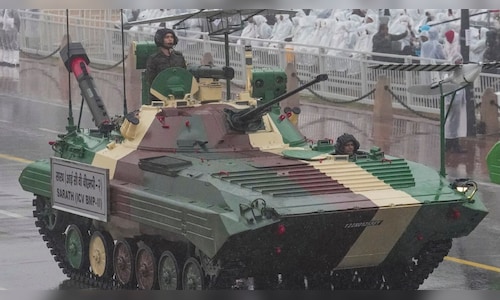
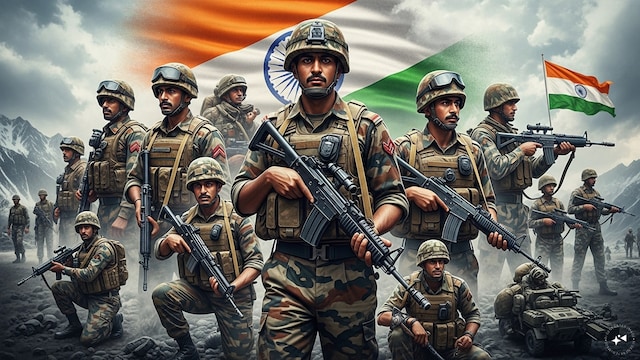
5. India | India secured the fifth position among global military spenders in 2025, with a budget increase of 8.9% to $92.1 billion. This rise signals India’s commitment to modernizing its armed forces and enhancing border security while boosting domestic defence manufacturing. As regional security dynamics evolve, New Delhi continues to invest in advanced military systems and promote indigenous production initiatives. India stands as the foremost military spender in South Asia, significantly outpacing neighboring nations. (Image: AI-Generated)
 6 / 10
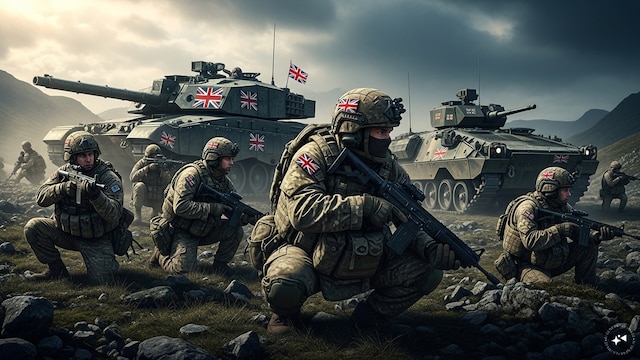
6. United Kingdom | The UK held the sixth position in military spending despite a slight 2% decline in 2025. The defence budget amounted to $89 billion, supporting a military engaged in operations across various global regions. The UK continues to prioritize modernization of its armed forces, maintaining a nuclear deterrent and fulfilling NATO obligations. (Image: AI-Generated)
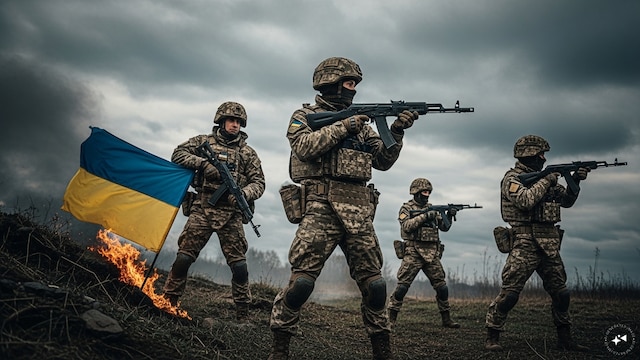 7 / 10
7. Ukraine | In 2025, Ukraine emerged as the seventh-largest military spender globally, escalating defence expenditures by 20% to $84.1 billion. The ongoing conflict with Russia has necessitated significant allocations for military operations and national defence. SIPRI estimates that military spending constituted around 40% of Ukraine’s GDP, marking one of the highest military burdens worldwide. International support and anticipated EU assistance are expected to aid Ukraine’s defence strategy amidst ongoing challenges. (Image: AI-Generated)
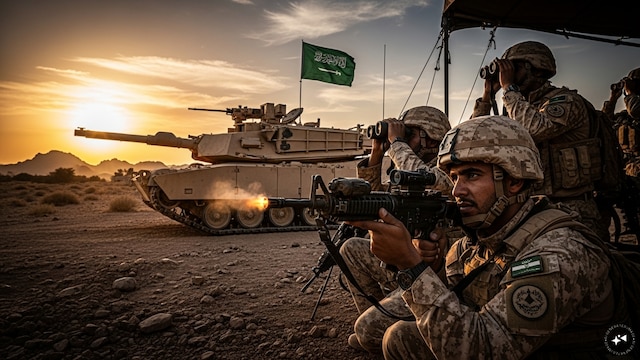 8 / 10
8. Saudi Arabia | Ranking eighth, Saudi Arabia had military expenditures of $83.2 billion in 2025, marking a 1.4% increase. This growth highlights the kingdom’s ongoing commitment to retaining robust military capabilities amidst regional tensions and security challenges. Historically, Saudi Arabia has been a leading importer of military equipment and continues to invest significantly in defence upgrades. The financial plan underscores the strategic priority given to national security and regional influence in a complex Middle Eastern context. (Image: AI-Generated)
 9 / 10
9. France | France retained its rank among the top military spenders globally, allocating $68 billion to defence in 2025. This expenditure represented a 1.5% increase, supporting modernization initiatives across its armed forces. With a global military presence and a nuclear deterrent, France maintains strategic capabilities and enhanced defence industries. The nation continues to bolster its military while playing a pivotal role in European security efforts, especially in light of rising geopolitical uncertainties. (Image: AI-Generated)
 10 / 10
10. Japan | Japan rounds out the top ten with military expenditures of $62.2 billion in 2025, reflecting a 9.7% increase from the previous year. Defence outlay reached 1.4% of GDP, the highest since 1958. Heightened tensions in East Asia and regional security concerns have driven Tokyo to enhance its military capabilities. Japan’s increasing defence budget illustrates a notable shift in security policy, as it invests in advanced technologies, missile defence systems, and improved deterrence strategies amid a more uncertain regional landscape. (Image: AI-Generated)