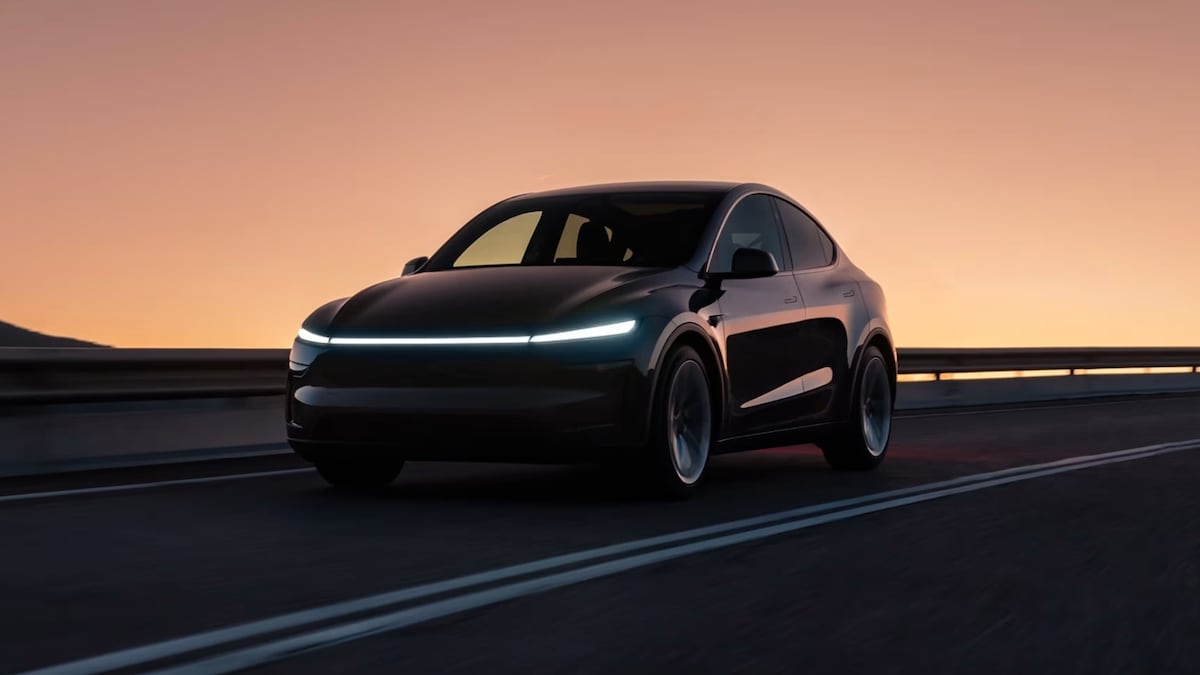
CEO Elon Musk has shifted the electric vehicle manufacturer’s emphasis from car production to developing physical AI ventures such as self-driving taxis and humanoid robots, significantly influencing Tesla’s valuation.
Nevertheless, investors are growing more apprehensive as costs related to AI infrastructure, including data centers and manufacturing capabilities, are expected to soar to $25 billion this year, exceeding the cash generated quarterly by Tesla’s primary automotive and energy divisions.
“As capital expenditures more than double and free cash flow turns negative, investors are increasingly focused on signs that Tesla’s spending is fortifying its physical AI advantages,” analysts at Morgan Stanley noted in a report.
Investors have been optimistic that Tesla’s advancements in autonomous driving and robotics could eventually create new, high-margin revenue avenues. However, progress has been slower than anticipated, and Musk has missed several self-imposed deadlines.
Following the launch of its robotaxi service in Austin, Texas, in April of last year, Musk projected that Tesla robotaxis would be servicing half the U.S. population by the end of 2025. In January, Tesla announced plans to expand the service to seven additional cities by the first half of 2026. However, the robotaxi network is still limited to Austin, Dallas, and Houston in Texas, alongside Miami in Florida.
As the earnings call approaches, the most frequently asked question on Tesla’s investor-relations platform, submitted by a retail investor, was: “What barriers are preventing Tesla from achieving the short-term objectives they’ve set?”
Nine of the ten most-voted questions focus on Tesla’s AI initiatives—including robotaxis, Optimus humanoid robots, and Its Full Self-Driving technology.
“Why has the growth of robotaxi vehicles stalled? When can we expect customer rides to begin for Cybercab?” inquired another retail investor.
Tesla has announced the commencement of manufacturing its Cybercab vehicle, specifically designed as a robotaxi devoid of a steering wheel or pedals. Nonetheless, these vehicles have not yet been introduced into a robotaxi network, with Musk describing the production ramp as “agonizingly slow.”
AUTO BUSINESS REBOUNDS
Tesla achieved record vehicle deliveries for the April-to-June quarter, significantly surpassing market projections, as rising oil prices bolstered EV sales, particularly in Europe.
Analysts project Tesla will deliver 1.7 million vehicles in 2026, reflecting a 3.9% increase from the previous year, which would break a two-year pattern of declining yearly deliveries.
Barclays analysts noted that while investors remain focused on Tesla’s AI aspirations, a more robust automotive sector would aid in generating the necessary funds to support those investments.
However, for the upcoming second quarter, the rebound in vehicle sales may not be sufficient to compensate for substantial expenditures. Tesla is expected to report a negative free cash flow of $3.3 billion, according to LSEG data.
Analysts estimate that Tesla’s earnings for the second quarter will reach 50 cents per share, up from 40 cents per share during the same quarter last year.
However, Deutsche Bank analysts predict that the abolition of upfront Full Self-Driving software purchases earlier this year and low-interest financing in May will impact profitability.
Wall Street forecasts an automotive gross margin, excluding regulatory credits, of 18.1% in the second quarter, down from 19.2% in the previous three-month period, according to Visible Alpha data.