A passport is commonly regarded as the definitive proof of nationality; however, it may not always serve as the ultimate evidence of citizenship. Across India and beyond …


 1/10
1/10Distinguishing Passport and Citizenship | While a passport and citizenship are often perceived as interchangeable, they are legally distinct. A passport is a travel document issued by a government, and citizenship defines an individual’s legal relationship with a country.
 2/10
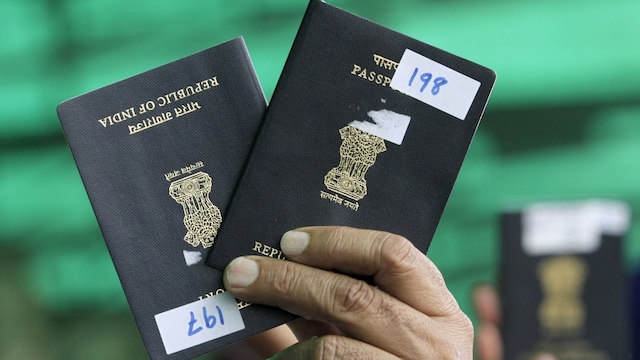
2/10India’s Position: Passport Does Not Solely Determine Citizenship | While India recognizes a passport as a crucial identity and travel document, citizenship is governed by distinct legal frameworks. Aspects such as birth, descent, registration, naturalization, and official verification can influence citizenship status.
 3/10
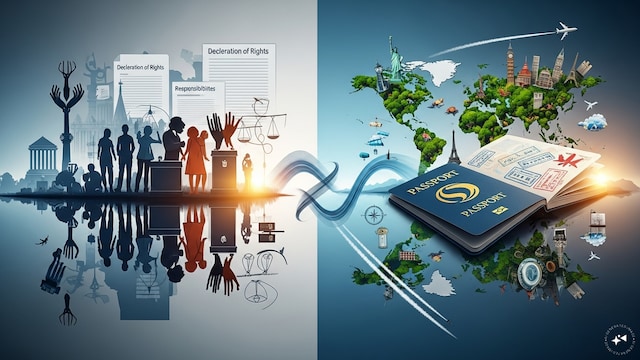
3/10Reasons for Maintaining Separate Passport and Citizenship Rules | Countries have varied regulations for passports and citizenship since they serve different roles. Citizenship outlines rights and duties, while passports primarily facilitate international travel.
 4/10
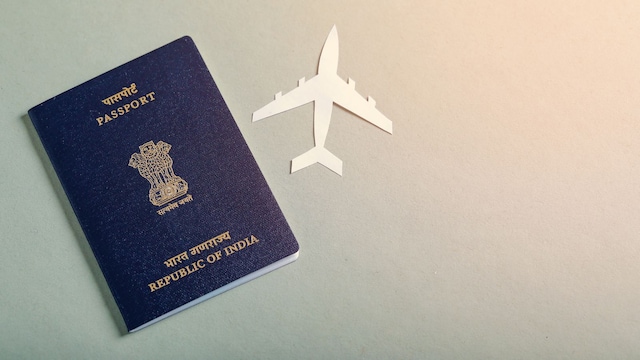
4/10India’s Citizenship Regulations Extend Beyond a Passport | According to Indian citizenship laws, a passport may indicate issuance by India, but determining citizenship status involves additional legal parameters and documentation depending on various factors. (Image: Canva)
 5/10
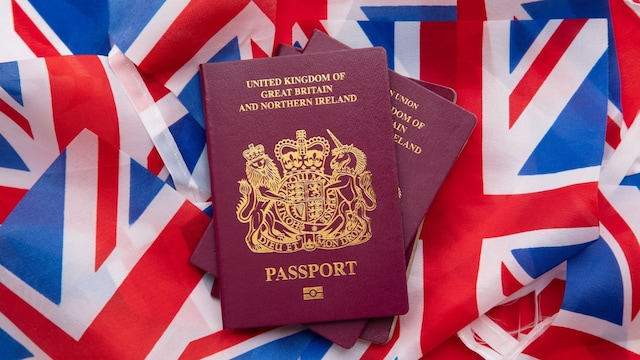
5/10United Kingdom: Legal Framework Governs Citizenship | In the UK, passports are tied to nationality, but citizenship is determined by nationality laws. Factors like birth, heritage, immigration status, and registration play a crucial role. (Image: Canva)
 6/10
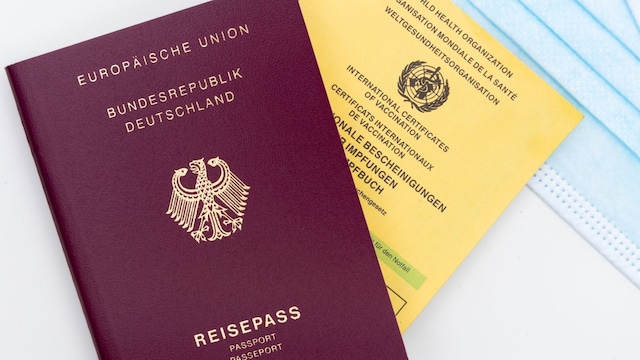
6/10Germany: Legal Documentation Ties to Citizenship | Germany employs elaborate nationality regulations to ascertain citizenship. While the passport holds significance, matters of citizenship can hinge on legal records and the specifics of nationality acquisition or retention. (Image: Canva)
 7/10
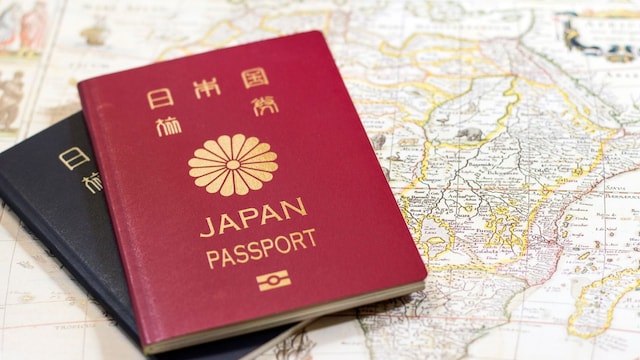
7/10Japan: Distinction Between Passport and Nationality | Japan’s rules for nationality are based on citizenship legislation. While passports are utilized for global travel, nationality laws dictate who is officially recognized as a Japanese citizen. (Image: Canva)
 8/10
8/10Complexities of Dual Citizenship | Individuals connected to multiple nations may face intricate citizenship dilemmas. A passport from one country does not necessarily dictate how another country perceives an individual’s nationality or legal standing.
 9/10
9/10When Passport and Citizenship Issues Arise | Recognizing the distinction between a passport and citizenship is crucial during immigration assessments, visa applications, nationality disputes, and governmental verification processes, where additional documentation may be requested. (Image: Canva)
 10/10
10/10Is Citizenship Possible Without a Passport? | Indeed, citizenship exists independent of possessing a passport. Many citizens who never engage in international travel may not own a passport yet still enjoy the complete spectrum of rights and obligations associated with citizenship. (Image: Canva)