Abdolreza Rahmani Fazli emphasized that this vital energy passage has become a matter of “national security” following the four-month conflict involving the US and Israel against Iran. Consequently, he noted, “new arrangements regarding the Strait of Hormuz will be made with the partnership of the Omani state.”
Fazli mentioned on Saturday during the World Peace Forum in Beijing, “We will certainly have special considerations for China, as it is a friendly nation,” without clarifying the nature of these concessions. “Special treatment should be granted to countries that are our allies.”
The governance of the Strait of Hormuz is just one of several contentious topics being addressed in negotiations aimed at achieving a lasting resolution to the conflict. Iran effectively shuttered the strait when US and Israeli airstrikes commenced in late February, with maritime activity only beginning to resume following a temporary peace agreement reached last month.
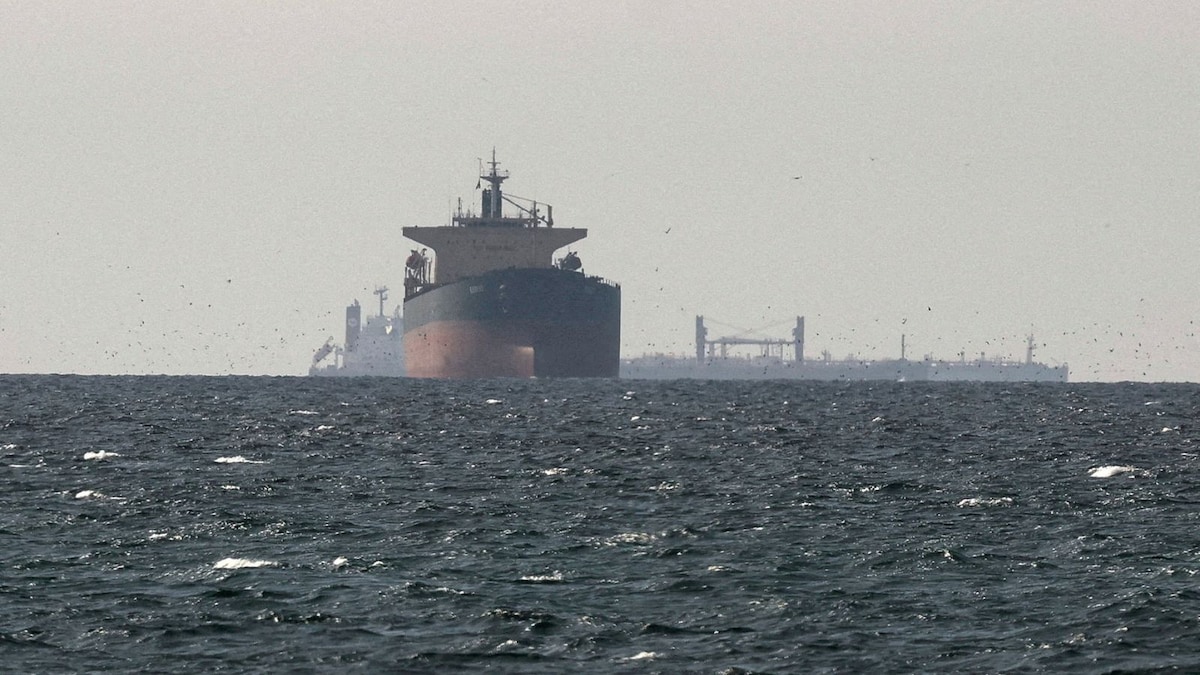
In the latest indication of ongoing complexities, at least eight vessels attempting to exit the Persian Gulf along the Omani coast were forced to turn back between Friday and Saturday.
The US and Gulf Arab nations contend that Iran and Oman should not impose any fees related to the waterway. However, some European countries now acknowledge that ships traversing this critical point may need to pay certain fees, according to individuals familiar with the discussions. They have urged Iranian and Omani officials to ensure no discrimination based on the vessels’ national origins, those individuals reported.
Read More: Donald Trump kicks off July Fourth festivities with Mount Rushmore speech, claims ‘US identity is under attack’
China, which is the principal buyer of Iran’s oil exports, called on Friday for unrestricted maritime passage through the Strait of Hormuz. This, according to Foreign Ministry spokesman Guo Jiakun, would serve the “interests of all parties.”
Prior to the conflict, approximately one-fifth of the world’s oil and liquefied natural gas supplies passed through the strait.
The Iranian ambassador to China indicated that fees would be implemented to ensure the secure passage of ships through the strait, while also addressing the costs associated with environmental impacts. He asserted that enforcement “will comply with international maritime laws,” Fazli stated.
China has maintained a neutral stance on the Iran conflict, advocating for restraint while providing some diplomatic backing, primarily through its ally, Pakistan. Beijing aims to safeguard maritime operations in the Gulf and prevent further disruptions in energy supplies that could impact its domestic economy.
Read More: China launches coast guard patrol east of Taiwan despite international pushback
Nevertheless, China presents itself as a stabilizing entity, questioning US dominance in the Middle East and its broader reliability.