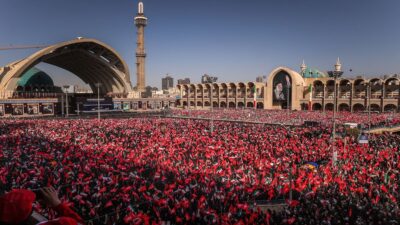
According to Windward, four vessels changed their routes in the Strait of Hormuz. Iran opposes this path. A state funeral is being held in Iran for Ayatollah Ali Khamenei, who was killed in a US-Israeli airstrike.
The course changes coincide with a dayslong state funeral for Supreme Leader Ayatollah Ali Khamenei, 86, who was killed in a US-Israeli airstrike at the war’s onset in February. His son Mojtaba was appointed as his successor in March but has kept a low profile, opting not to attend the funeral due to security threats—Israeli Defence Minister Israel Katz has stated he is “marked for death.”
Iran has suspended activities through Monday to increase turnout, expecting around 10 million participants in nationwide commemorations—officials are preparing for scenes reminiscent of Khomeini’s funeral in 1989, which saw at least eight mourners lost their lives. The procession will proceed through Tehran on Monday, followed by stops in Qom, Najaf, and Karbala, culminating in the burial at Khamenei’s hometown of Mashhad on Thursday. IRGC chief Ahmad Vahidi and aerospace commander Majid Mousavi made rare public appearances; Iran’s military has cautioned against any military actions during the funeral events.
Delegations from dozens of countries have arrived, headed by Pakistani PM Shehbaz Sharif; reports indicate that European nations were not invited, though representatives from Hamas, the Houthis, and Hezbollah attended.
Stay updated for the latest news on the US-Iran war in West Asia.