
1 / 7
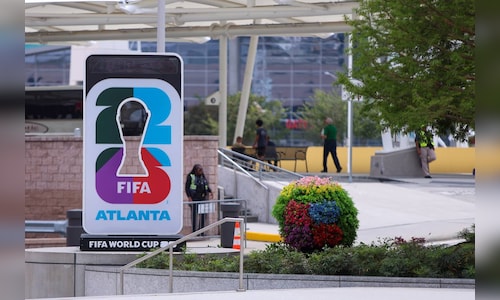
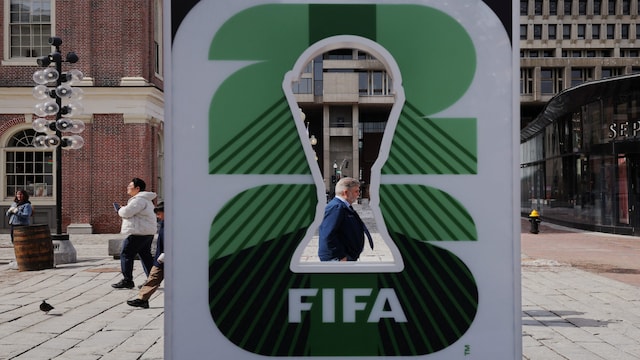
The FIFA World Cup 2026 is set to be the largest event in football’s history, featuring 48 teams, 104 matches, and three host nations, marking a significant milestone in the global game. Yet, along with the thrill comes heated discussions. Topics about ticket prices, accessibility, environmental concerns, player well-being, and the increasing commercialization of football are key focal points as we approach the tournament. As the countdown progresses, FIFA World Cup 2026 is compelling the sport to tackle some of its most pressing issues. (Image Source: Reuters)
2 / 7
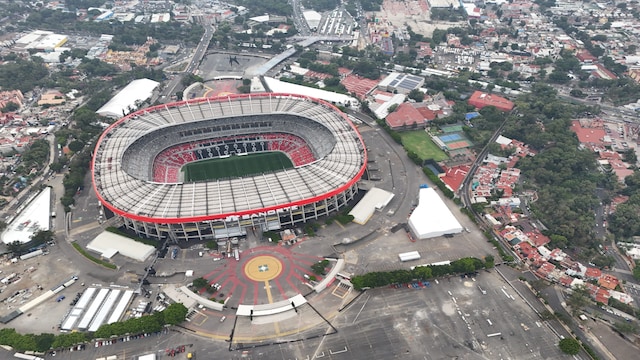
Ticketing: The demand for tickets to the FIFA World Cup 2026 has surged to unprecedented heights, with over 500 million requests logged during a 33-day Random Selection Draw phase that wrapped up in January 2026. Simultaneously, FIFA’s ticketing system has faced criticism over transparency in pricing and seat allocation. Inquiries have been initiated into the process, and the implementation of dynamic pricing has caused substantial cost spikes during sales. Critics argue that premium seats are increasingly kept for hospitality packages, limiting access for regular fans to these desirable sections. (Image Source: Reuters)
3 / 7
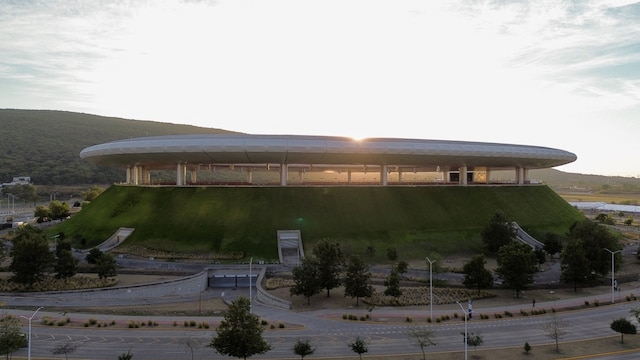
Rising costs: For numerous fans, attending the World Cup is becoming significantly more expensive. Estimates indicate that a mid-range trip for an international fan, featuring one match ticket, round-trip airfare, five nights of accommodations, local transport, meals, and visa-related costs, could exceed $5,900. Ticket prices for in-demand matches have escalated sharply, with added travel and lodging expenses putting more strain on budgets. Critics contend that the growing financial burden could deter ordinary fans, favoring premium and corporate attendees instead. Actual costs may fluctuate widely based on location and individual travel plans. (Image Source: Reuters)
4 / 7
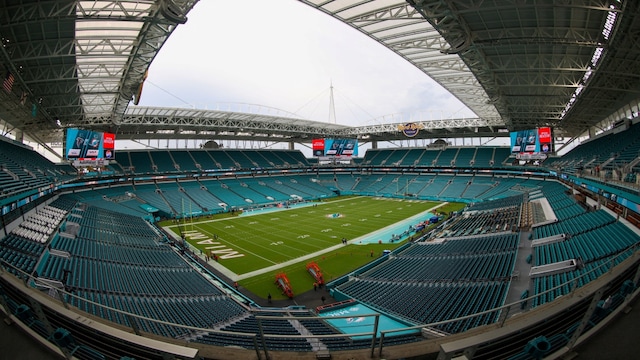
Climate change: The scale of FIFA World Cup 2026 has intensified discussions regarding its environmental impact. The projected carbon footprint is estimated at 9 million tonnes of CO₂ emissions, significantly higher than those reported for the 2022 Qatar World Cup, 2018 Russia World Cup, and the 2024 Paris Olympics. Extensive travel between host cities across North America is likely to generate considerable emissions. Many host cities could also face extreme summer temperatures during the tournament. Environmental advocates are concerned whether mitigation strategies can adequately counteract the effects of such a widespread event. (Image Source: Reuters)

5 / 7
Security challenges: Organizing a World Cup across three nations presents distinct security and logistical hurdles. Authorities are gearing up for one of the largest security operations in the history of tournaments, as the United States, Mexico, and Canada coordinate efforts. Cross-border travel is anticipated to add further complexity for teams, officials, and fans moving between various host cities. Additionally, discussions around visa and immigration policies have surfaced, raising concerns that differing entry requirements may impact fan attendance. Effectively managing movement across three countries will be a significant logistical test during the tournament. (Image Source: Reuters)

6 / 7
More number of teams: The transition from 32 to 48 teams marks the most substantial format change in FIFA World Cup history. While some view this expansion as a means to enhance global representation and offer chances to emerging football nations, others express concerns that this increased number may lead to more mismatched games in the early rounds. The new structure will also elevate the match count from 64 to 104, adding more challenges for organizers and participants alike. (Image Source: Reuters)
7 / 7
FIFA World Cup 2026 is set to be an exceptionally ambitious sporting event. Its enlarged format and commercial magnitude have generated great anticipation throughout the football community. However, ongoing concerns regarding accessibility, environmental sustainability, security, player welfare, and the evolving nature of the sport continue to fuel discussions. Whether viewed as necessary adjustments or cautionary signals for the future, these debates are destined to be a part of the tournament’s narrative. (Image Source: Reuters)