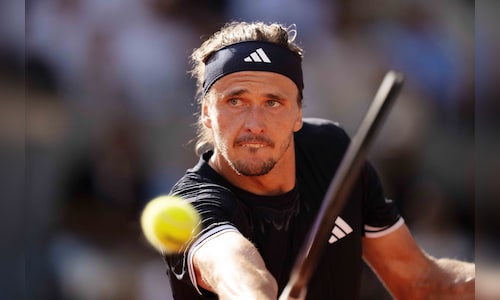
The German triumphed at Roland-Garros on Sunday, defeating Flavio Cobolli in a gripping five-set match. This victory marks him as the first German man to claim a Grand Slam since Boris Becker in 1996. Additionally, it was his 125th match win in Grand Slam history, marking his inaugural major title and occurring during his fourth final appearance.
Yet, this triumph extends beyond the realm of tennis.
Zverev has managed Type 1 diabetes since he was four years old. He was advised that excelling at the highest level would be challenging, if not unfeasible, due to his condition. He chose not to accept that narrative.
Type 1 diabetes is an autoimmune disorder that causes the immune system to destroy insulin-producing cells in the pancreas. Without sufficient insulin, the body struggles to maintain normal blood sugar levels. Unlike Type 2 diabetes, Type 1 cannot be controlled solely through lifestyle changes and necessitates lifelong insulin treatment.
The hurdles are ongoing. Insufficient blood sugar can lead to hypoglycemia—resulting in dizziness, confusion, weakness, and in severe cases, unconsciousness. Conversely, excessive blood sugar can lead to long-term damage to blood vessels, nerves, kidneys, and vision.
In the world of elite sports, this challenge grows more intricate.
A five-set tennis match can extend over four hours and expend thousands of calories. Intense activity can cause blood sugar levels to plummet, while the stress and excitement of competition can elevate them. The athlete finds themselves balancing two opposing forces while competing against the world’s top players.
Zverev has likened it to playing “two games at once.”
For many years, this reality led to the belief that elite professional sports and Type 1 diabetes were incompatible.
Today, that perspective is evolving.
Zverev competes with the aid of contemporary diabetes technology, such as continuous glucose monitoring systems. During Sunday’s final, he even took a moment to administer an insulin injection on the court—a change he successfully advocated for in tennis regulations.
His achievements are also benefiting others. Through his Foundation, he has reached out to support over 1,150 children living with Type 1 diabetes.
In numerous respects, this title at the French Open signifies much more than just tennis.
It serves as a testament to how advancements in diabetes management—from continuous glucose monitors to enhanced insulin treatments—are altering perceptions of what is feasible for those living with chronic illnesses.
A generation ago, Type 1 diabetes was often seen as an obstacle to competing at elite levels. Nowadays, a child diagnosed at four can aspire to be a Grand Slam champion.