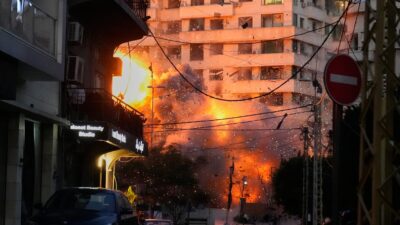
In an interview with CNBC-TV18, IFRC spokesperson Scott Craig highlighted that Lebanon’s situation has become critical, with humanitarian workers also under threat. “It’s a dire humanitarian crisis,” he stated, adding that “we’ve lost two humanitarian relief workers from the Lebanese Red Cross… it has been a profoundly devastating situation.”
Craig emphasized that the Lebanese Red Cross is essential for emergency medical responses in the country, operating the sole ambulance network while also managing blood transfusion services. With healthcare demands soaring due to ongoing strikes, he referred to the situation as a “perfect storm of continuing attacks leading to increasing humanitarian needs.”
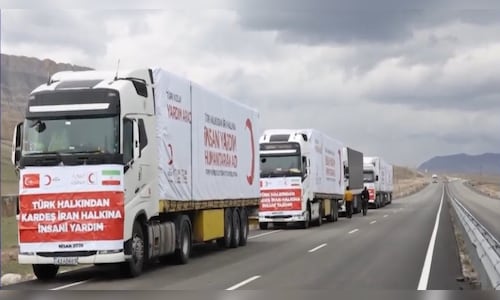
The pressure is not exclusive to Lebanon. Iran’s healthcare system is also facing severe shortages, especially in trauma care. Craig mentioned that one of the initial international aid shipments, including advanced trauma kits, has recently entered Iran through Turkey after traditional supply routes faced disruptions. “Medical needs are critically high, and these trauma kits are vital,” he remarked.
The effort to deliver aid was logistically challenging, as air routes remain closed and maritime channels are restricted. Supplies had to be rerouted overland from Turkey, underscoring the difficulties humanitarian organizations face in sustaining supply chains during active conflicts.
Although a ceasefire is currently in effect in Iran, Craig warned that humanitarian needs continue to be high, with millions displaced and in urgent need of assistance. He also pointed out the growing psychological impact of the conflict in both countries, cautioning that its full effects are just starting to surface.

Also Read | Canada, UK and other nations condemn killings of UN peacekeepers in Lebanon
These comments come at a time of increased geopolitical activity in West Asia. Donald Trump has indicated that new discussions between Washington and Tehran could be imminent, even while the US continues to apply pressure through sanctions and a blockade of Iranian ports. Simultaneously, diplomatic talks between Israel and Lebanon have resumed for the first time in decades, although significant disagreements remain, particularly regarding the disarmament of non-state groups like Hezbollah.
Despite tentative steps towards de-escalation, persistent strikes and military actions continue to exacerbate humanitarian needs. The IFRC has urged the international community to urgently enhance support, warning that both immediate relief and long-term reconstruction efforts will heavily rely on sustained global assistance.