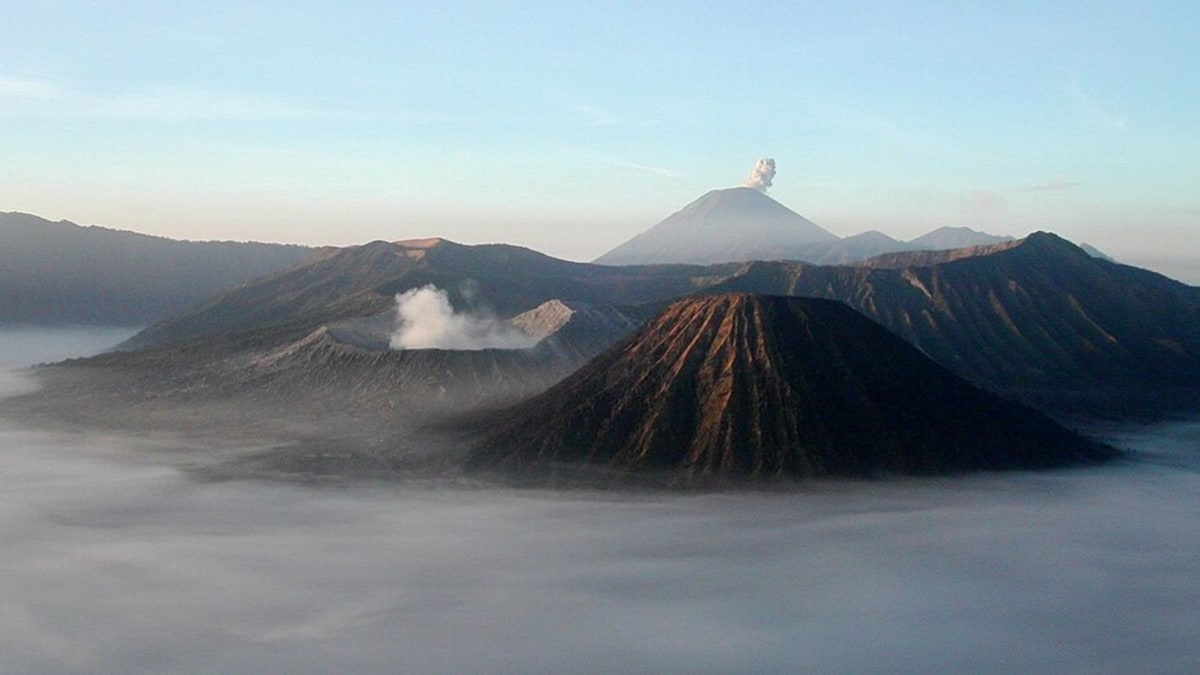
Volcanoes have captivated explorers for generations with their breathtaking vistas, challenging treks, and the remarkable chance to observe nature’s raw forces at work…

 1/5
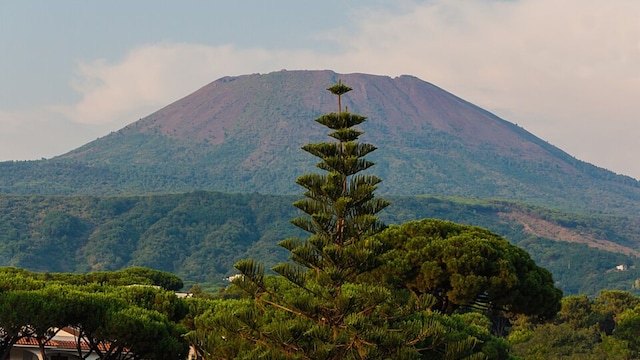
1/5Mount Vesuvius (Italy) | Situated near Naples, Mount Vesuvius is renowned for the eruption that destroyed the ancient city of Pompeii in AD 79. Its most recent eruption occurred in 1944, but it is still an active volcano that is closely monitored. Guests can drive up to around 1,000 meters above sea level and follow a well-marked trail to the crater rim in about an hour. From the top, hikers are rewarded with stunning vistas of the Bay of Naples, Pompeii, and the surrounding coastline. Make sure to plan your hike through the Vesuvio National Park, which offers various walking paths. (Image source: Wikimedia Commons)
 2/5
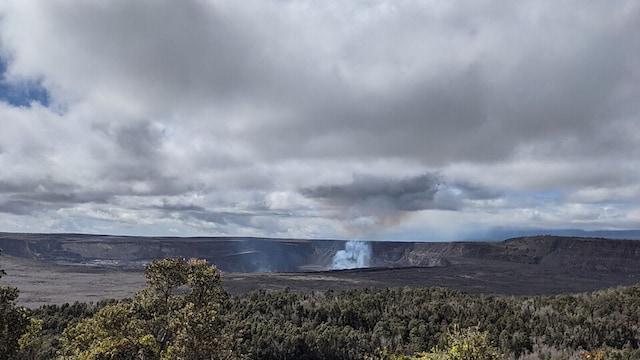
2/5Kīlauea (Hawaii, USA) | Rising just over 4,000 feet (1,247 meters), Kīlauea is one of the most active and breathtaking volcanoes globally. Visitors can traverse more than 150 miles of trails in Hawaii Volcanoes National Park, which includes crater rim walks like the Devastation Trail. Scenic helicopter tours offer aerial views of fresh lava fields. Insider tip: Visit after dark to see the glowing lava from safe observation points. (Image source: Wikimedia Commons)
 3/5
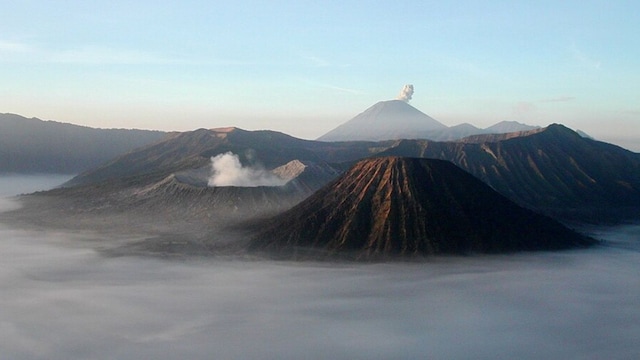
3/5Mount Bromo (Indonesia) | This persistently active volcano in East Java rises dramatically from a vast ash plain that constitutes one of Indonesia’s most awe-inspiring volcanic terrains. Visitors can either hike or ride horses across the volcanic plain before ascending a staircase to the crater rim. This volcano also holds significant cultural importance for the Tenggerese community, who annually gather during the Kasada festival to offer flowers, crops, and livestock into the crater, honoring their centuries-old traditions. An early morning visit to see the sunrise over this volcanic landscape is highly recommended. (Image source: Wikimedia Commons)
 4/5
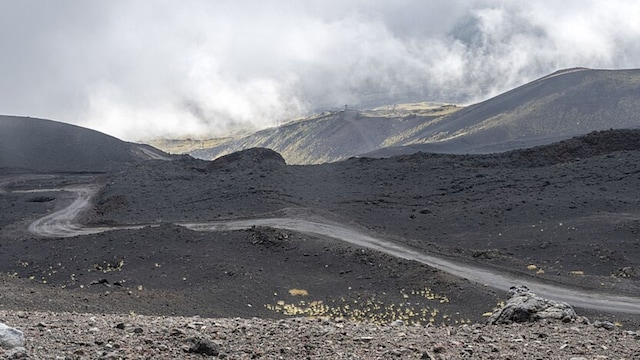
4/5Mount Etna (Sicily, Italy) | As the tallest and most active volcano in Europe, Mount Etna prominently shapes eastern Sicily, frequently generating lava flows and volcanic fountains that have altered the island’s landscape over millennia. Depending on daily volcanic activity, visitors can join guided tours ranging from walks across ancient lava fields to challenging hikes toward the summit craters. On clear days, the upper slopes provide breathtaking views across the Ionian, Adriatic, and Mediterranean seas. A scenic railway encircles the lower slopes of the volcano, winding through lava fields, vineyards, and charming villages that thrive on Etna’s nutrient-rich volcanic soil. (Image source: Wikimedia Commons)
 5/5
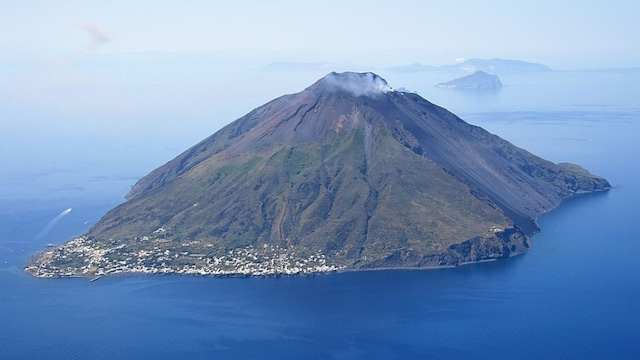
5/5Mount Stromboli (Italy) | Situated on a small island north of Sicily, Mount Stromboli has been in near-constant eruption for approximately 2,000 years, earning it the title “The Lighthouse of the Mediterranean.” Unlike volcanoes that lie dormant for decades, Stromboli frequently ejects bursts of lava, ash, and gas throughout the day and night. Boat tours have become a favored means to observe the volcano, particularly at sunset when the eruptions light up the Sciara del Fuoco, the steep slope leading to the sea. (Image source: Wikimedia Commons)