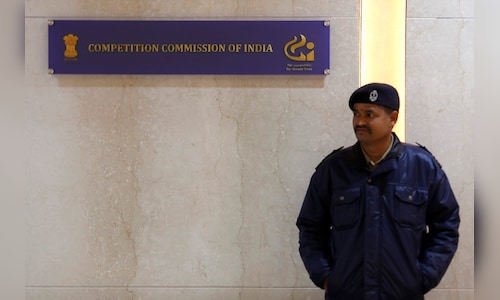
This decision followed a thorough analysis of the investigation and supporting reports provided by its Director General (DG), which involved a review of various factors, such as the pricing of consumables, pharmaceuticals, and medical devices.
It is quite rare for the Competition Commission of India (CCI) to close a case even after the DG’s findings indicated potential violations of competition laws. Cases with apparent evidence of anti-competitive practices are typically referred to the DG for detailed investigations.
The case concerning alleged dominance abuse by twelve hospitals, notably including Max Super Specialty Hospital, Patparganj; Max Smart Super Specialty Hospital, Saket; and Max Super Specialty Hospital, Shalimar Bagh, has been officially closed, as per the orders issued by the CCI on Thursday.
Other involved hospitals include BLK Max Super Specialty Hospital, New Delhi; Max Multi Specialty Centre, Panchsheel Park; Max Multi Specialty Centre, Pitampura; Fortis Flt. Lt. Rajan Dhall Hospital, Vasant Kunj; Fortis Escorts Institute and Research Centre Ltd, New Delhi; Sir Ganga Ram Hospital, New Delhi; Indraprastha Medical Corporation Ltd. (Indraprastha Apollo Hospital); St. Stephen’s Hospital Delhi; and Batra Hospital & Medical Research Centre of Ch. Aishi Ram Batra Public Charitable Trust, New Delhi.
Following a complaint, CCI initiated an investigation by its DG in November 2015, which was later supplemented by an additional inquiry in August 2018. The DG subsequently submitted 12 revised unredacted supplementary investigation reports in September 2024.
In 12 distinct but similarly phrased orders, the regulatory body stated that neither of the two tests established in the United Brands (Supra) were conclusively demonstrated based on the evidence collected by the DG during the supplementary inquiry.
The DG functions as the investigative branch of the regulator.
Regarding the DG’s findings, the regulator noted that the determination of contravention was based merely on the observation that the hospitals charged ‘higher prices’ and had ‘significant profit margins,’ without applying the legal criteria for excessive pricing as defined by the Commission and in other jurisdictions.
According to Section 4 of the Competition Act, it is not merely the case that excessive pricing is illegal; the price must also be deemed unfair.
Also Read | How costlier hospital treatments are reshaping health insurance claims in India
“This indicates that unfairness goes beyond mere excessiveness, and both elements must be demonstrated in cases of excessively high pricing. In Case 27/76 United Brands v. Commission of the European Communities (‘United Brands’), a two-stage test was established to determine whether the price charged by a dominant company for a product was abusive,” said the regulator.
The first stage is known as the Excessive Limb, while the second stage is referred to as the Unfair Limb.
“According to the test, the question to ascertain is whether the price is ‘unfair’ by itself or in relation to competing products. However, the DG failed to apply the legal standards as described in United Brands (Supra) and mistakenly equated excessive pricing with unfairness,” the CCI remarked in its closure of the case.