Humanity has thrived for millennia, yet certain events have made a lasting impact. This series revisits pivotal moments that shaped history…


 1/7
1/7June 14, Sunday | On this date in 1777, the United States adopted the Stars and Stripes as its national flag. This design was approved by the Continental Congress during the American Revolutionary War, becoming a globally recognized symbol. (Image: Canva)
 2/7
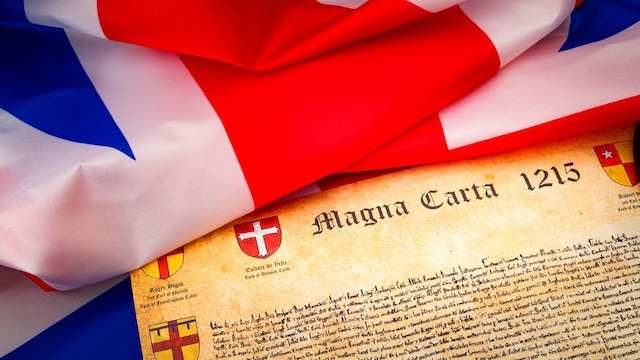
2/7June 15, Monday | On this day in 1215, Magna Carta was signed by King John of England and the rebel barons at Runnymede. This charter limited royal power and laid the groundwork for constitutional law and parliamentary democracy around the world. (Image: Canva)
 3/7
3/7June 16, Tuesday | On this date in 1976, the Soweto uprising took place in South Africa when thousands of Black schoolchildren protested against apartheid’s education policies. Security forces opened fire, sparking widespread unrest and marking a significant moment in the fight against apartheid. The image above shows a rally in Soweto on the 13th anniversary of the uprising. (Image: Reuters)
 4/7
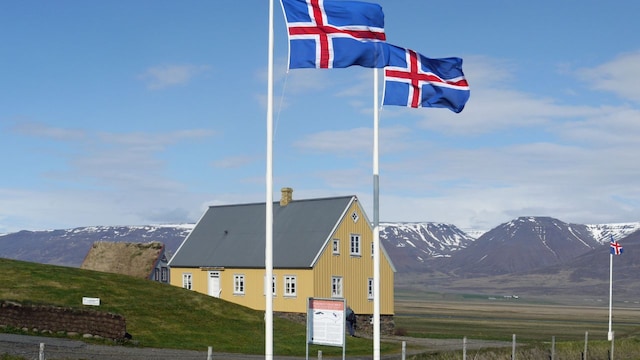
4/7June 17, Wednesday | On this day in 1944, Iceland formally declared its independence from Denmark, establishing itself as a republic. This significant event marked the end of centuries of foreign domination and coincided with the later stages of World War II. (Image: Canva)
 5/7
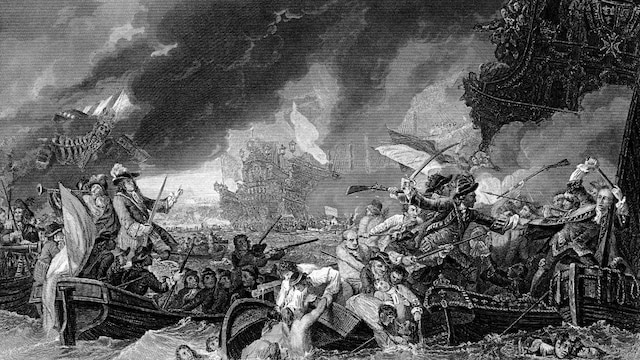
5/7June 18, Thursday | On this day in 1815, the Battle of Waterloo concluded with Napoleon Bonaparte’s defeat by British and Prussian forces. This pivotal moment ended Napoleon’s reign and reshaped Europe’s political landscape for years. (Image: Canva)
 6/7
6/7June 19, Friday | On this date in 1865, enslaved African Americans in Texas learned of their freedom following the Emancipation Proclamation, which had been enacted over two years prior. This day is now commemorated as Juneteenth, a federal holiday honoring the end of slavery in the United States. (Image: Canva)
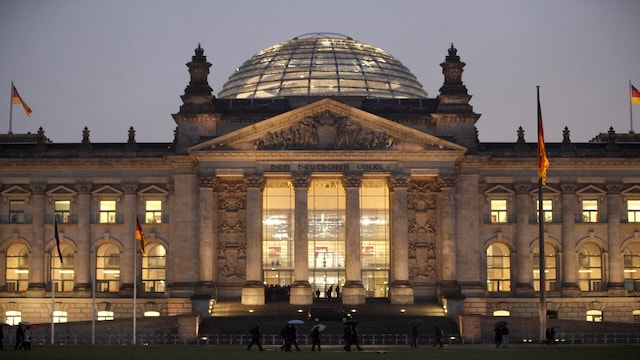 7/7
7/7June 20, Saturday | On this date in 1991, the German parliament decided to relocate the nation’s capital from Bonn back to Berlin after reunification. This act marked Germany’s transformation in the post-Cold War era and reaffirmed Berlin’s role as the political heart of Europe’s largest economy. (Image: Reuters)