The court accepted petitions from both telecom companies and annulled the demand notices from the government. It also ordered the Centre to return the bank guarantees provided by Airtel and Vi regarding the charge.
The conflict centers on the government’s decision in 2012 to implement OTSC retroactively from July 1, 2008. This charge was applied to additional spectrum held by telecom firms that exceeded the specified limit.
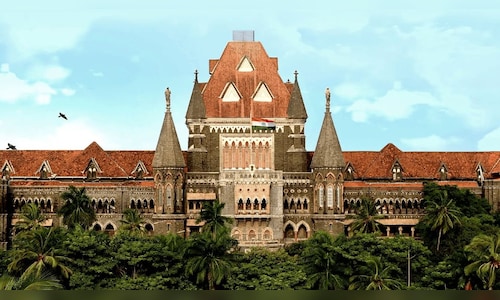
The Bombay High Court is expected to deliver over ₹20,000 crore in relief for Airtel and Vodafone Idea combined.
A division bench of the Bombay High Court noted that the Centre could not demonstrate any legal authority or contractual foundation to impose the charge retroactively.
The court stated that the government could not alter the financial terms of telecom licenses once operators had already signed agreements and operated under the existing rules.
The bench pointed out that telecom companies had compensated for spectrum through the revenue-sharing model of the National Telecom Policy, 1999. It determined that introducing an extra financial obligation years later effectively altered the original terms.
The court further dismissed the justification for the levy based solely on the concept of revenue maximization, asserting that this alone could not justify a sufficient ground of public interest.
The Bombay HC also found that recommendations regarding spectrum charges did not support the retroactive levy enacted on spectrum holdings up to 10 MHz.
With this ruling, the government’s demand notices against Airtel and Vi are nullified.
(Edited by : Ajay Vaishnav)
First Published: Jun 8, 2026 8:01 PM IST