
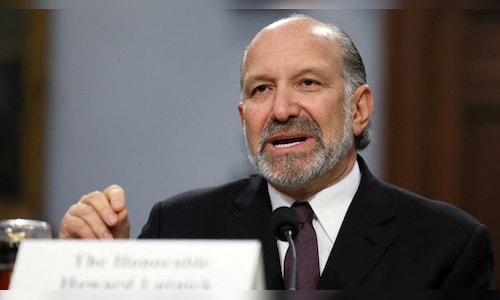
“To be clear, it’s his (Trump’s) deal. He is the closer. It’s all set up; you’ve got to have Modi call the President. They felt uncomfortable doing that. So, Modi didn’t call. That Friday left, and the following week we finalized deals with Indonesia, the Philippines, Vietnam, and others,” Lutnick remarked during an interview with American venture capitalist Chamath Palihapitiya on the All-In Podcast.
In July 2025, the U.S. completed tariff negotiations with the European Union, the United Kingdom, Japan, Vietnam, Indonesia, the Philippines, and South Korea.
As per Lutnick’s recent revelation, nations that concluded negotiations earlier benefited from lower tariff rates. However, the sequence of tariff agreements made that month, along with their respective rates, does not support Lutnick’s assertions.
Vietnam, which wrapped up negotiations considerably earlier than most other countries, still faces the highest tariff rate for its exports to the US.
| Country | Current US tariffs | Date of announcement |
| Vietnam | 20% | July 2 |
| Indonesia | 19% | July 22 |
| Philippines | 19% | July 22 |
| Japan | 15% | July 23 |
| EU | 15% | July 27 |
| South Korea | 15% | July 31 |
| UK | 10% | May 8 |
Currently, India’s exports to the US are subject to a 50% tariff, the highest in Asia. “We (the US) negotiated with them (India) and anticipated that India would finalize the deal before other Asian countries at a higher rate. The issue is that these deals resulted in a higher tariff, and then India comes back and says, ‘Oh, okay, we are ready.’ I asked, ready for what?!” the US Commerce Secretary elaborated.
“You know, it was about three weeks later. I thought, ‘Are you ready for the train that left the station three weeks ago?'” Lutnick added.
Trump has previously acknowledged that he expected the tariff deal with India to be straightforward, but it turned out otherwise.
Modi was among the first leaders to visit the US following Trump’s reelection. However, India took a tough stance against US demands.
Trump’s ongoing claims of involvement in the India-Pakistan conflict in May, which India has refuted, made negotiations more difficult.
The relationship between the two nations remains strained despite several discussions and four conversations between the leaders, leaving a bilateral trade deal as a work in progress.
(Edited by : Sriram Iyer)
First Published: Jan 9, 2026 10:03 AM IST


