 1 / 10
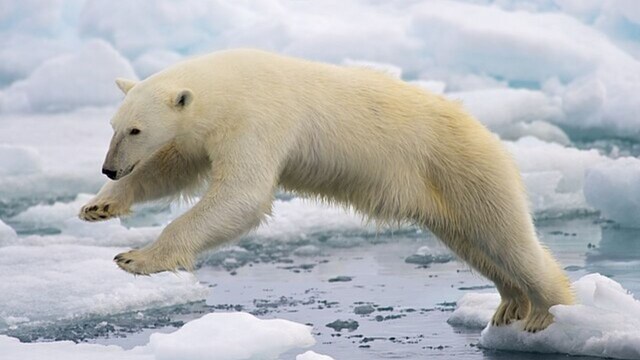
1. Polar bear – The polar bear endures the bitter Arctic cold with its thick fur, black skin that absorbs warmth, and a layer of fat known as blubber. This majestic animal swims through icy waters, hunts seals on frozen surfaces, and can withstand temperatures plummeting below minus forty degrees Celsius while effectively conserving energy during the prolonged dark winters in its expansive northern habitat. (Image: Wikimedia Commons)
 2 / 10
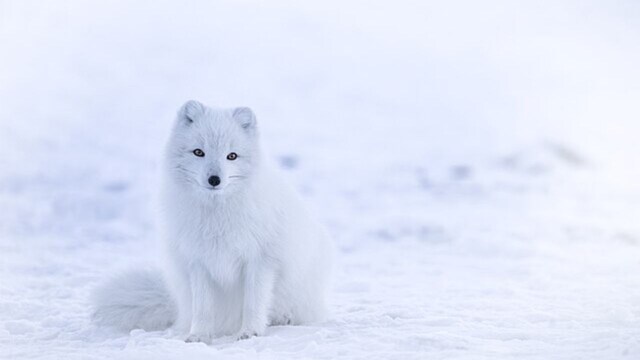
2. Arctic fox – This clever creature thrives in the icy tundra with its compact form, short ears, and thick fur that changes color with the seasons. Its fur-covered paws and bushy tail help retain body heat, allowing it to withstand temperatures dropping as low as minus fifty degrees Celsius while scavenging and hunting lemmings amidst fierce arctic winds across secluded landscapes and islands. (Image: Wikimedia Commons)
 3 / 10
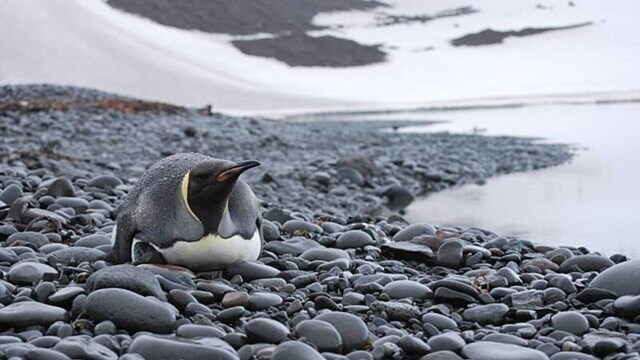
3. Emperor penguin – The emperor penguin braves the planet’s coldest breeding habitats during Antarctic winters, facing temperatures around minus sixty degrees Celsius. Their dense feathers, substantial blubber, and communal huddling significantly reduce heat loss. Males incubate their eggs on their feet while fasting for months amid storms and darkness, relying on community warmth and remarkable physiological resilience until the arrival of spring. (Image: Wikimedia Commons)
 4 / 10
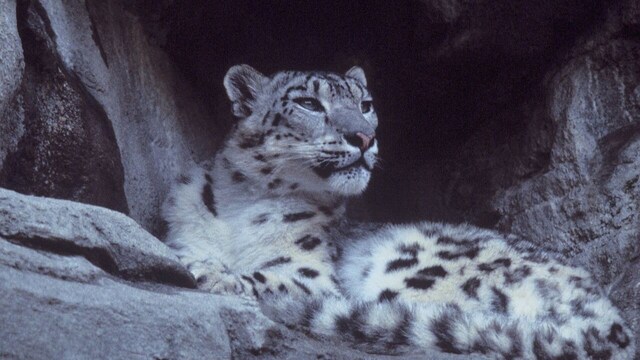
4. Snow leopard – This incredible feline adapts to the frigid mountain environment with its thick, smoky fur, long insulating tail, and broad, fur-covered paws for gripping snow. Residing at altitudes above three thousand meters, it withstands biting winds, insufficient oxygen, and limited prey availability, using stealth and energy efficiency to hunt ibex and blue sheep throughout the rugged mountain ranges of the Himalayas, Karakoram, and Central Asia all year long. (Image: Wikimedia Commons)
 5 / 10
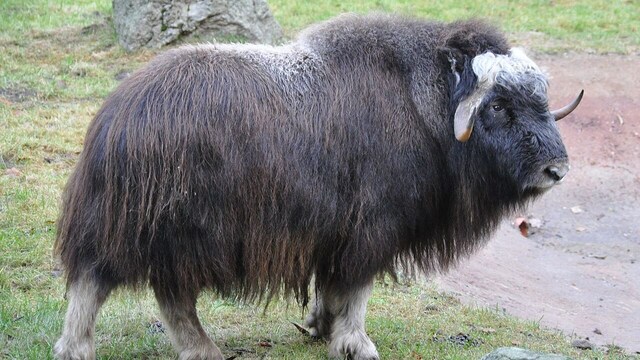
5. Musk ox – The musk ox is well-equipped to handle Arctic hardships with its long, shaggy outer coat and qiviut, one of nature’s warmest fibers. These features provide superior insulation against harsh winds, heavy snowfall, and temperatures nearing minus forty degrees Celsius. Living in herds allows for heat and energy conservation while foraging on sparse tundra vegetation across Greenland, Alaska, and northern Canada during challenging winters. (Image: Wikimedia Commons)
 6 / 10
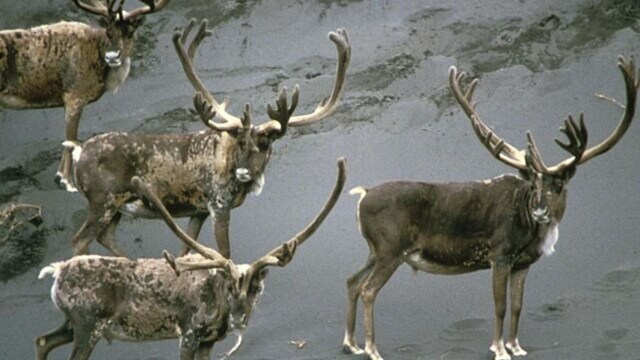
6. Reindeer (caribou) – Reindeer, or caribou, have evolved to endure polar winters with hollow hairs that trap air for insulation. Their broad hooves provide stability while traversing snowy terrain, and their nasal passages warm the frigid air, enabling vast migrations and continuous foraging during the dark, frozen months. They minimize energy loss despite the biting cold and limited resources across the Arctic and sub-Arctic. (Image: Wikimedia Commons)
 7 / 10
7. Siberian tiger – The Siberian tiger withstands severe winters thanks to its thick, pale coat, dense underfur, and substantial body mass that helps retain heat. Found in the snow-covered forests of eastern Russia, it faces temperatures below minus thirty degrees Celsius while hunting deer, boar, and elk, moving across vast territories and conserving energy during the long cold months when prey is scarce. (Image: Wikimedia Commons)
 8 / 10
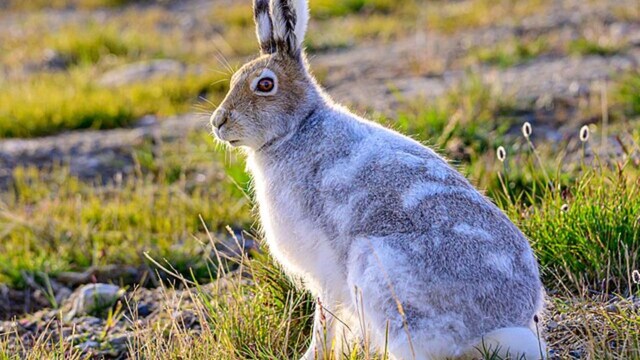
8. Arctic hare – The Arctic hare is designed for life in the frigid tundra, featuring thick white fur, strong legs, and short ears to minimize heat loss. Its fur changes color with the seasons, aiding in camouflage against the snow. This resilient creature survives in extreme cold and sparse vegetation by grazing, digging through snow, and conserving warmth across the vast Arctic plains during long winters with little shelter. (Image: Wikimedia Commons)
 9 / 10
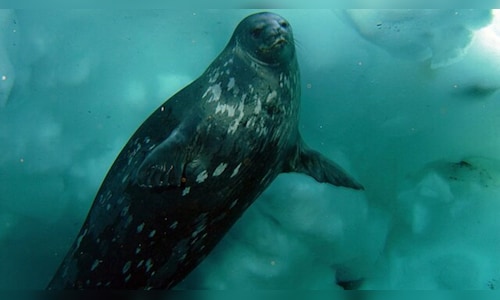
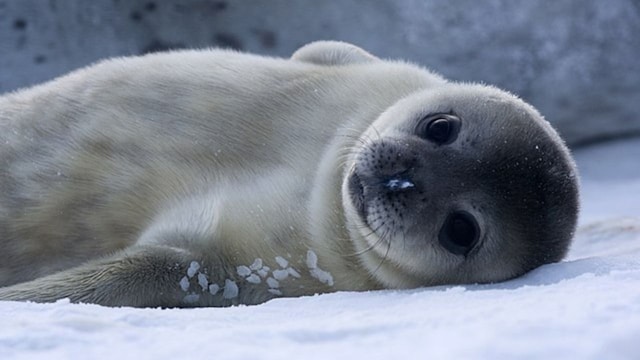
9. Weddell seal – Weddell seals flourish in the icy waters of Antarctica, protected by a layer of blubber and specialized circulatory systems that minimize heat loss. They can dive deep beneath sea ice, maintaining breathing holes for feeding, resting, and breeding in sub-zero conditions while avoiding predators and thriving in one of the coldest marine environments year-round with impressive endurance. (Image: Wikimedia Commons)
 10 / 10
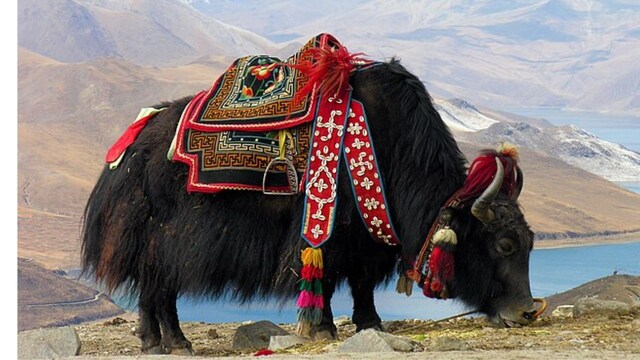
10. Yak – The yak is thoroughly adapted to the cold, high-altitude plateaus with its long, shaggy coat, thick skin, and fluffy undercoat. Large lungs and a strong heart support breathing in thin air. These attributes allow yaks to thrive, graze, and work on the frozen landscapes of the Himalayas and Tibet, enduring harsh, windy winters with minimal need for shelter. (Image: Wikimedia Commons)