Yu Jing, spokesperson for the Chinese Embassy in India, stated that the reincarnation process adheres to “long-established religious rituals and historical conventions” that require approval from China’s central government. She noted that even the 14th Dalai Lama was recognized through this established system.
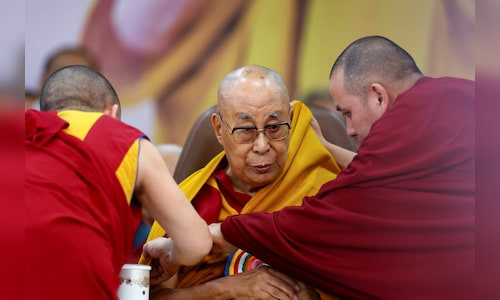
The Dalai Lama and Tibetan exiles disagree. The Tibetan spiritual leader emphasized on his 90th birthday in July of the previous year that the sole authority to identify the next Dalai Lama resides with his non-profit organization, Gaden Phodrang Trust.
She further remarked that the Central Tibetan Administration (CTA) is not acknowledged by any sovereign state and lacks the legitimacy to represent Tibetans or comment on matters of succession.
Also Read: Trump says Iran deal ‘largely negotiated’ after talks with Gulf leaders, Netanyahu; crude falls 7%
Yu urged India to uphold its commitments regarding Tibet-related issues, avoid backing “Tibetan independence” initiatives, and refrain from intervening in the reincarnation process, asserting that such actions would foster stable bilateral relations.
These comments were made in advance of the swearing-in ceremony of the newly elected Sikyong or head of the CTA, Penpa Tsering, scheduled for May 27 in Dharamshala. The Dalai Lama will attend this ceremony.
The CTA, located in Dharamshala, functions as the Tibetan government-in-exile and is not recognized by China, which regards Tibet as an integral part of its territory. The Dalai Lama fled to India in 1959 following a failed uprising against Chinese authority.