As the election results emerged, they indicated a clear dominance of the saffron party and significant losses for the Indian National Congress. The BJP, which first came to power in Guwahati in 2015 under Chief Minister Sarbananda Sonowal, a former Asom Gana Parishad MP, has extended its influence across various regions.
The Congress, led by Gaurav Gogoi—son of the late three-term Chief Minister Tarun Gogoi—failed to make an impact. Gaurav Gogoi’s defeat underscored the disconnect of Congress with the state.
BJP strategy
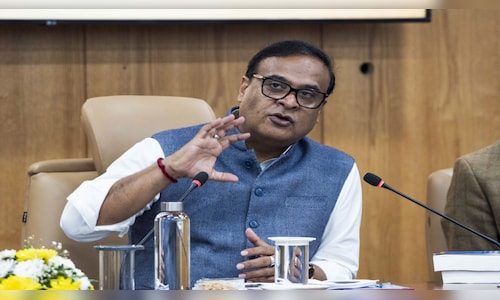
The BJP remains actively engaged in campaign efforts. Over time, the party has emphasized concerns about illegal immigrants from Bangladesh, alleging that they are altering Assam’s demographics, which threatens local identity and Ahom pride. This polarization reached new heights as the Chief Minister, affectionately known as ‘Mama’ (maternal uncle), highlighted that the Mian (referring to Muslims) were supporters of Congress, positioning the BJP as defenders of the majority community.
The election results reinforced this claim, with 18 of the 19 Congress MLAs coming from the minority community. According to the 2011 Census, Muslims comprised over 34% of Assam’s population, establishing a majority in nine districts. However, following the 2023 delimitation, the number of constituencies where Muslims hold a majority was reduced from 35 to 22. This change also impacted the All India United Democratic Front (AIUDF), founded by perfume baron Badaruddin Ajmal, a significant political voice for Muslims, which saw its representation drop from 16 to just two seats in the current assembly.
These results suggest a diminishing influence of the AIUDF over the Bengali-speaking Muslim community in lower Assam and Barak Valley. In contrast to Congress, it appears that voters in minority-dominant areas opted for candidates from the Grand Old Party.
Beyond political maneuvering, the BJP government has advocated a robust welfare and development agenda focusing on infrastructure and economic growth. With backing from the Centre, the administration prioritized the perception of development through highways and industrial initiatives.
As is customary, the government introduced cash transfer programs for women (Orunodai), resulting in expanded outreach to 40 lakh women. In these elections, the BJP pledged to increase this support to ₹3,000 per month and extend assistance to an additional 15 lakh households. Additional promises included empowering 40 lakh Self-Help Groups through the Lakhpati Baideu scheme, raising daily wages for tea garden workers to ₹500, and offering cashless health insurance coverage of up to ₹5 lakh. Notably, the government vowed to provide two lakh jobs over the next five years.
Congress faces a stark future
The Congress leadership’s decision to appoint Gaurav Gogoi as the party’s Lok Sabha Deputy Leader did not resonate with local members. Advocating for change, Gogoi lacked sufficient connection with party ranks, especially after many influential figures departed alongside Himanta Biswa Sarma.
Furthermore, Congress was delayed in forging alliances, while the BJP successfully garnered support from the Asom Gana Parishad, which won 10 seats. Efforts to channel discontent over perceived injustices toward the late Zubin Garg fell flat. The assumption that those dissatisfied with the Sarma-led BJP would naturally turn to the Congress did not materialize.
The once-powerful Grand Old Party now confronts an uncertain future, marked by a diminished presence in the assembly and a weakening organizational structure. A reimagining of their political narrative is essential to reconnect with the electorate they aim to serve. The journey is long, and action is required without delay.
—The author, K V Prasad, is a political observer and writer. The views are personal.