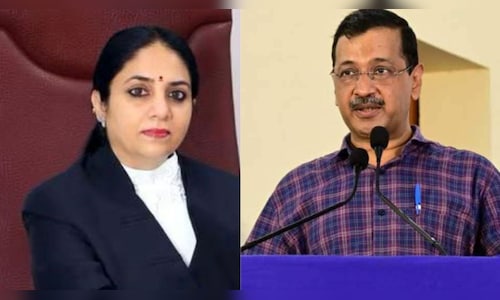
This decision came after Kejriwal requested Justice Sharma to recuse herself from the case. While the HC judge denied the plea, she noted that a court handling criminal contempt proceedings could not simultaneously address the original matter. Consequently, she opted to transfer the CBI’s challenge against the discharge order to a different bench of the Delhi HC.
Simultaneously, the court heightened the situation by initiating criminal contempt proceedings against Kejriwal, Sisodia, and AAP Rajya Sabha MP Sanjay Singh over alleged online comments and material targeting the judge and the court, as reported by The Wire.
“Any other court can hear the case, but only this court can enforce contempt proceedings,” Justice Sharma stated, emphasizing that the transfer should not be interpreted as a recusal. “I refuse to be intimidated,” she reportedly remarked during the proceedings.
This development adds further tension to the politically charged excise policy case, which has already become a significant point of contention between the Centre and Aam Aadmi Party leadership.
Justice Sharma also revealed that the court had previously contemplated appointing three senior advocates as amicus curiae after Kejriwal, Sisodia, and AAP leader Durgesh Pathak opted not to appear before her bench.
However, before any appointments could be finalized, the court acknowledged the circulation of what it termed “extremely vilifying, extremely contemptuous and defamatory” material online targeted at the judge and the court.
Addressing Solicitor General Tushar Mehta, Justice Sharma remarked that the judiciary could not remain passive in the face of such attacks and had hence commenced contempt proceedings against specific respondents and other alleged contemners.
The case originates from the now-repealed Delhi excise policy, which has triggered parallel investigations by the Central Bureau of Investigation and the Enforcement Directorate, marking it as one of the most politically charged legal confrontations involving AAP leadership.