Aligning rewards with spending habits
Ashish Lath, Founder and CEO of SaveSage, emphasizes that the success of a travel credit card hinges on how well its rewards system matches an individual’s spending habits.
“The key factor is ensuring that a consumer’s spending aligns with where the card provides enhanced rewards,” he notes.
He encourages consumers to examine high earn rates for flights, hotels, and frequent categories like groceries, fuel, education, and online shopping.
Additionally, he highlights the need to confirm whether reward points are transferable to the airline and hotel loyalty programs a user frequents, whether redemption ratios are fair, and if the card offers flexibility through travel portals or point pooling options.
Redemption timelines
Lath points out that there isn’t a set schedule for earning free flights or hotel stays, as it varies based on monthly spending, card selection, and optimization strategies.
As general guidelines:
- Domestic economy tickets usually require 8,000–15,000 points
- International tickets typically range from 30,000–80,000 points
Lath mentions that consumers who spend ₹75,000 or more monthly and strategize their category spending might achieve significant redemptions within six to twelve months. Distributing expenses among several cards can enhance earnings by 40–50%. Those with lower spending may rely on welcome bonuses or milestone perks to accumulate points more swiftly.
Assessing the value of points
Lath proposes a method for evaluating value: dividing the market price of the ticket or stay by the required points.
He recommends aiming for a value of ₹1–₹1.5 per point to validate annual fees and the effort of optimization. If the value drops below ₹0.50 per point, cashback or other redemptions may be a more practical choice.
He also suggests comparing the redemption value to the alternative of paying cash and withholding points for future use.
Fees, milestones, and considerations
Annual fees for premium travel credit cards generally range from ₹5,000 to ₹30,000 or higher, often including spend-based milestone requirements.
Lath observes that perks like airport lounge access, concierge services, higher earn rates, and travel insurance are incorporated into these fee structures. For consumers spending ₹2 lakh or more monthly, he states that enhanced earnings and higher-value redemptions can compensate for these expenses.
Prepaid travel and forex cards
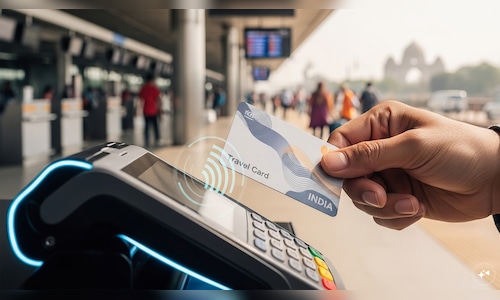
In addition, T C Guruprasad, CEO and Managing Director – Payments Solutions at EbixCash, emphasizes the significance of prepaid travel and forex cards for international spending.
He explains that these cards enable users to load foreign currencies at favorable exchange rates prior to traveling, assisting in managing currency fluctuations and avoiding exchange fees, while also helping to keep travel budgets distinct from credit lines.
When assessing such cards, Guruprasad recommends considering:
- Support for multiple currencies
- Fees for issuance and reload
- ATM withdrawal fees
- Charges for cross-currency transactions
- Dynamic currency conversion fees
- Safety features such as real-time alerts, instant blocking, and spending limits
He adds that regulated, network-backed prepaid instruments can provide increased transparency and security while traveling abroad.
ALSO READ | How inheriting jewellery, art, stocks, crypto is taxed in India