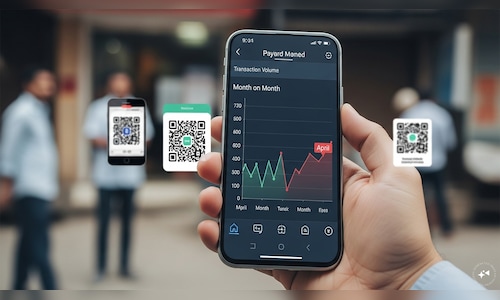
According to data from the National Payments Corporation of India, the UPI transaction value decreased by 1.7% to ₹29.03 trillion in April, compared to ₹29.53 trillion in March. Transaction volumes fell by 1.3%, from 22.64 billion to 22.35 billion over the same period.
This moderation comes after a robust March, when year-end financial activities significantly boosted payment volumes. March 2026 recorded the highest UPI transaction volumes and values since its inception in 2016, establishing a strong benchmark for comparisons in April.
On a year-on-year basis, growth remained impressive, with transaction volumes increasing by 25% and values by 21%, demonstrating ongoing growth in digital payments adoption.
Other payment systems also exhibited similar patterns. Immediate Payment Service (IMPS) transactions decreased by 1% month-on-month to 362 million, while the value fell by 5% to ₹7.01 trillion. FASTag transactions dropped by 1.6% to 358 million, with value retracting by 2% to ₹7,025 crore. The Aadhaar Enabled Payment System (AePS) transactions saw a more significant decline, with volumes decreasing by 15% and values by 14% compared to March.
Experts link the decline to the March surge rather than a drop in demand.
Akash Sinha, Co-founder & CEO of Cashfree Payments, remarked that the April reduction is more indicative of March’s exceptional performance rather than a decrease in demand. He noted that year-end financial activities typically lead to a surge every year, causing the following month to appear weaker.
He emphasized that daily transaction averages provide a better insight into the underlying momentum. According to Sinha, the faster rate of growth in transaction values compared to volumes suggests increased consumer confidence in using UPI for larger payments.
Sinha also highlighted recent regulatory changes by the Reserve Bank of India, which include a new two-factor authentication framework and enhanced e-mandate guidelines, expected to improve transaction success rates and boost the adoption of recurring payments.
Anand Kumar, Bajaj Founder, MD, and CEO of PayNearby, noted that the digital payments ecosystem is thriving, with UPI now a fundamental aspect of daily transactions. He pointed out the rising adoption in rural and semi-urban regions, where consumers and small businesses are increasingly utilizing digital methods for everyday payments.
Kumar added that continued improvements in security, the infrastructure for recurring payments, and credit integration are enhancing user trust and system dependability. He stated that expanding digital infrastructure for micro-entrepreneurs and last-mile users will be essential for maintaining growth.