Humanity has thrived for millennia, yet certain events have significantly impacted our history. This series examines pivotal moments that shaped our world.

 1/7
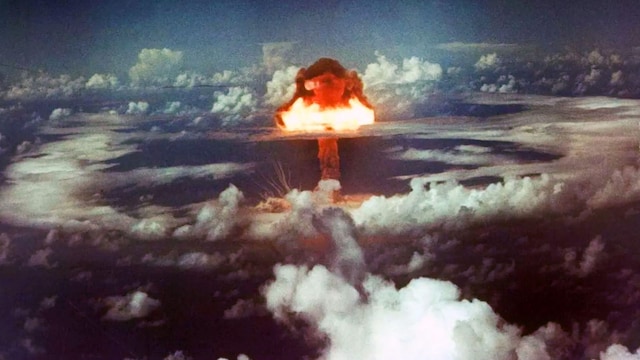
1/7August 9: Atomic bomb dropped on Nagasaki | On this day in 1945, the U.S. launched an atomic bomb, known as Fat Man, on Nagasaki, Japan, just three days after Hiroshima. This bombing resulted in massive casualties and played a crucial role in Japan’s surrender, ending World War II and initiating the nuclear era. (Image: Canva)
 2/7
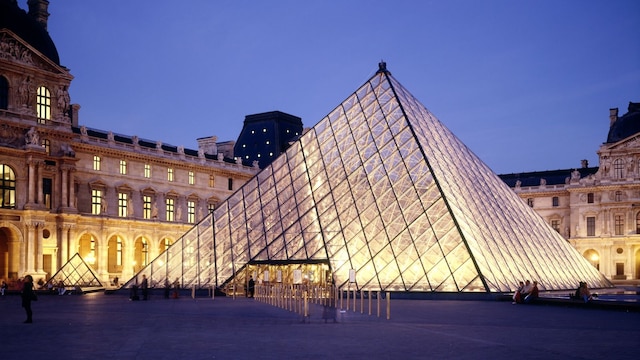
2/7August 10: Louvre opens to the public | In 1793, the Louvre was opened to the public as the Musée Central des Arts amid the French Revolution. Originally a royal residence, it evolved into one of the world’s renowned museums, showcasing masterpieces like the Mona Lisa and Venus de Milo. (Image: Canva)
 3/7
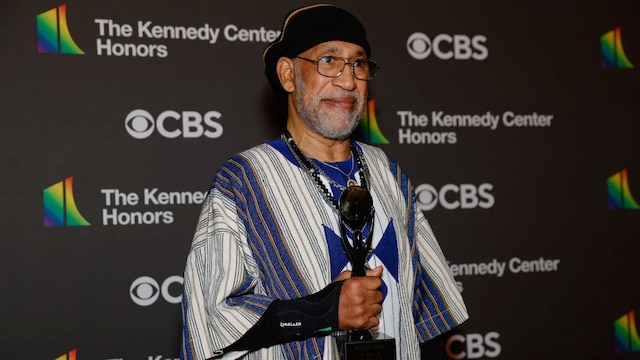
3/7August 11: A party that helped launch hip-hop | In 1973, DJ Kool Herc hosted a back-to-school event in the Bronx, New York, considered a seminal moment in the emergence of hip-hop. His innovative use of dual turntables to extend song breaks laid the foundation for a transformative cultural movement. (Image: Reuters)
 4/7
4/7August 12: IBM introduces the personal computer | On this day in 1981, IBM launched the IBM Personal Computer (IBM PC), establishing industry standards that accelerated computer adoption in households, schools, and businesses worldwide. (Image: Reuters)
 5/7
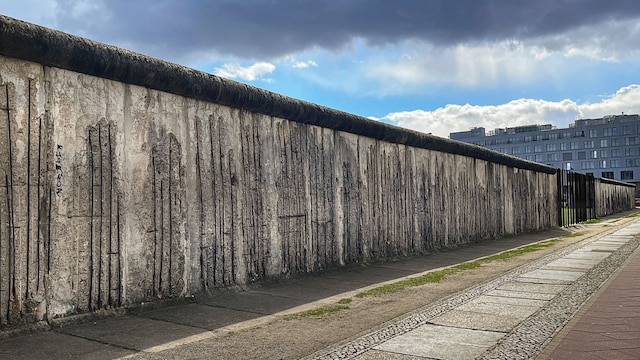
5/7August 13: Berlin Wall construction begins | On this date in 1961, East Germany commenced the construction of the Berlin Wall, which divided East and West Berlin. The wall became an enduring symbol of the Cold War, separating families and communities until its dismantling in 1989. (Image: Canva)
 6/7
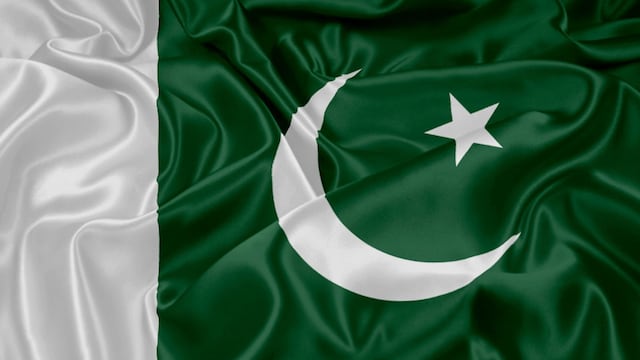
6/7August 14: Pakistan gains independence | On this day in 1947, Pakistan achieved independence as a result of the partition of British India. This event led to one of the largest migrations in modern history, with millions moving across newly drawn borders amid widespread violence. (Image: Canva)
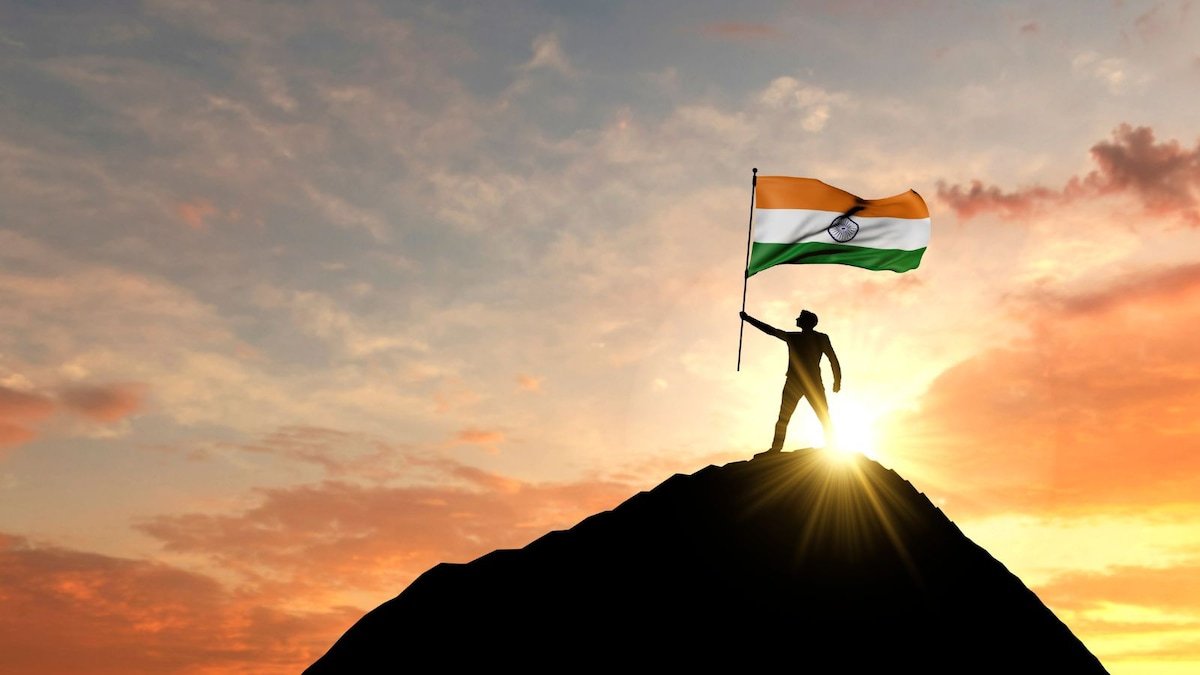
 7/7
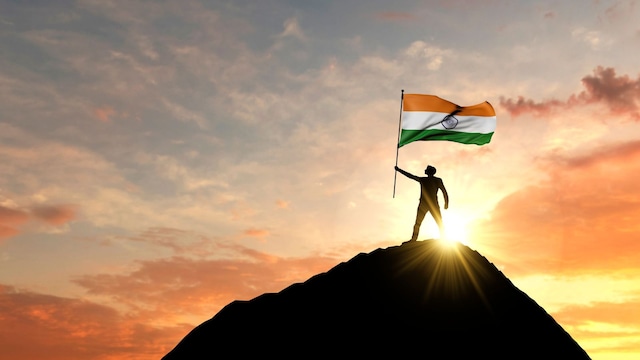
7/7August 15: India becomes independent | On this day in 1947, India was liberated from British rule after nearly two hundred years of colonial dominance. Jawaharlal Nehru became the first Prime Minister of independent India, delivering his famous “Tryst with Destiny” speech. This independence came with the Partition of India, resulting in mass displacement and significant communal violence. (Image: Canva)