Argentina’s semi-final victory over England on Wednesday dashed the sportswear giant’s hopes of having a presence on the tournament’s grandest stage this Sunday.
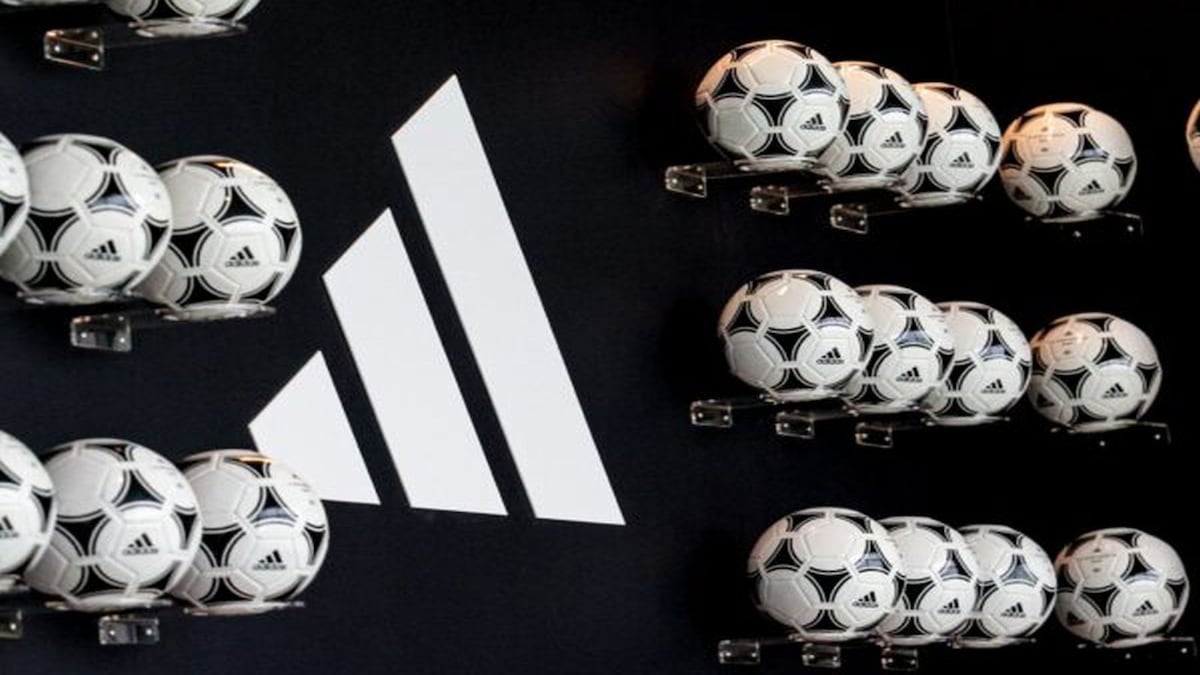
In a competitive branding showdown, this result guarantees enhanced visibility for Adidas, which supplies both finalists: Argentina and Spain.
Adidas has sponsored a total of 14 national teams throughout the tournament, while none of Nike’s 12 teams, including semi-finalists England and France, made it to the final.
Both brands have heavily invested in the soccer event, but Nike has hinged its sales and visibility strategies on it, trying to recover from years of diminishing market share.
Even a boost from the World Cup seemed unlikely to alter Nike’s trajectory. Last month, the company indicated that CEO Elliott Hill’s turnaround efforts were facing notable challenges, with ongoing weakness in China and a cautious outlook overshadowing a small revenue increase in the fourth quarter.
The firm’s stock has lost nearly a third of its value this year, as investors become restless with Hill’s progress.
”We have more pressing issues, such as footwear innovation, inventory management, and stabilizing sales and margins in China,” remarked Morningstar analyst David Swartz. ”Adidas may have received more attention, but that’s just how it goes.”
A Nike spokesperson emphasized that the company always hopes its athletes and federation partners achieve great success, but that ”our vision for football has never been centered around a single moment.”
Adidas described the World Cup final as a ”proud moment” for the brand, although it refrained from disclosing sales forecasts.
SUBSTANTIAL GAIN FOR ADIDAS
In addition to its national team sponsorships, Nike launched two new Mercurial soccer boots just ahead of the World Cup, collaborated with local streetwear designers, and updated soccer merchandise in more than 5,000 Nike and wholesale stores worldwide.
The ”Rip the Script” World Cup campaign, featuring soccer icons and celebrities—including French striker Kylian Mbappe and reality star Kim Kardashian—achieved 1.5 billion views in its first week, according to Nike. By the kick-off, its national team kits were selling at a rate 2.5 times higher than during the same period of the Qatar World Cup in 2022.
However, Adidas, as an official World Cup sponsor, is recognized as a ”clear winner” in the athletic footwear and apparel market, stated Drake MacFarlane, a research analyst at M Science.
The brand’s stronger presence in the US and Europe allowed it to gain ground from Nike in the second quarter, he noted. While World Cup demand has provided a boost, Adidas’ progress is evident beyond the tournament, whereas Nike continues to encounter challenges in Europe.
Adidas’ share of the footwear market increased to 19.2% in June, up from 16.0% a year ago, while Nike’s market share continued to decline, as per M Science data.
In April, Adidas executives reported that the company secured approximately 250 million euros ($292 million) in bookings for World Cup-related products in the first quarter and anticipated similar figures for the current quarter.