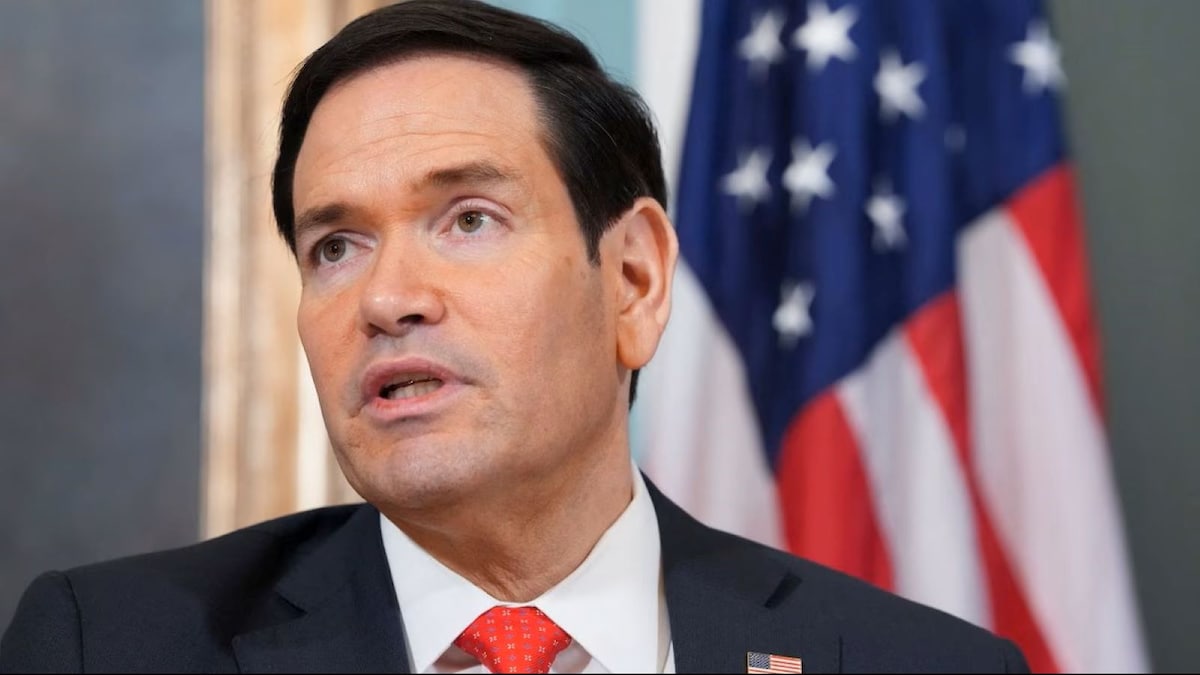
After their bilateral meeting, Rubio fielded questions from reporters about whether Jaishankar had voiced any apprehensions regarding Trump’s proposed tariffs, considering India’s significant role in supplying generic medicines to the US.
“Well, not with me; we didn’t delve into pharmaceuticals today. Obviously, I would think they might have concerns, but it didn’t come up today. They could have discussed it with others in our government, as we have a close relationship with India,” Rubio remarked.
Journalist: Did India’s Jaishankar raise concerns about Trump’s tariff threat on generic drugs with you? Many Americans buy their drugs from India
Secretary Rubio: I’d expect India to be concerned. But they didn’t raise it today. We’re very close to India. pic.twitter.com/KdE8AgkSb0
— Shashank Mattoo (@MattooShashank) July 22, 2026
His comments followed the reaffirmation by both leaders of the importance of finalizing an interim India-US trade agreement during their discussions on the sidelines of the ASEAN Foreign Ministers’ meetings in Manila.
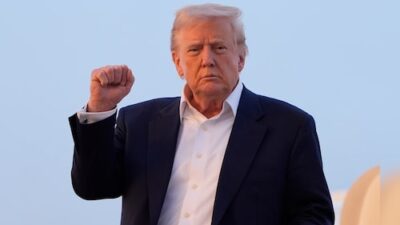
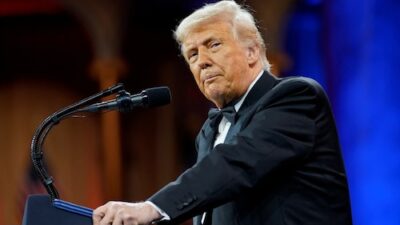
Rubio’s remarks come in light of Trump’s recent proposal to impose hefty tariffs on imported generic medicines.
In a post on Truth Social, the US President indicated that generic drug manufacturers would have two years to relocate production to the United States or face a 100% import tariff, which would double a year later. The markets are still anticipating details regarding the proposed executive order.
This announcement caused a stir in pharmaceutical stocks, leading the Nifty Pharma index to drop by 1.3% on Wednesday. Dr Reddy’s Laboratories fell by 1.9%, while Cipla decreased by 1.2%, as investors analyzed the potential ramifications for Indian exporters.
India is known as the largest supplier of generic medications to the US, providing more than half of the prescriptions for birth-control pills, antidepressants, and hypertension drugs in 2024, according to a Bloomberg report.
The nation also has the highest number of US Food and Drug Administration-approved manufacturing facilities outside of the United States, solidifying its position as the world’s leading producer of affordable generic medicines.
In a separate address at the ASEAN-India Foreign Ministers’ Meeting, Jaishankar highlighted the necessity for enhanced collaboration to establish resilient supply chains amid increasing geopolitical uncertainties.
“No single country or even collective can manage it alone,” he stated, emphasizing that energy, food, and health security cannot be taken for granted in a more unpredictable global landscape.
Rubio’s comments indicate that while Washington assumes New Delhi may harbor concerns over the proposed pharmaceutical tariffs, this issue was not explicitly discussed during his meeting with Jaishankar, with both parties opting instead to focus on advancing the broader bilateral trade agenda.
Later, a US Department of State spokesperson confirmed that Rubio met with Indian External Affairs Minister S Jaishankar in Manila to discuss key regional and bilateral matters.
The two leaders reviewed recent happenings in the Middle East and the Indo-Pacific, stressing the importance of ongoing cooperation, as stated by the State Department.
Rubio and Jaishankar also talked about finalizing significant defense agreements in line with the commitments made by US President Donald Trump and Prime Minister Narendra Modi last year. They further acknowledged the importance of concluding an interim trade deal, indicating that negotiations are nearly finished.