
He identifies energy security, electric vehicles, defense manufacturing, and export-oriented engineering as promising investment themes in a post-war context. The increasing focus on indigenization, biofuels, and manufacturing exports could yield long-term potential, while platform businesses continue to be a significant growth area in the market.
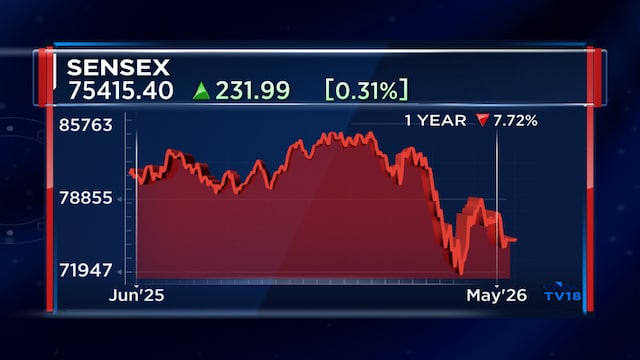
This is an edited transcript of the interview.Q: What are your thoughts on the markets? Earlier this week, it seemed likely for markets to go beyond the 23,300 mark. With the rupee declining and ongoing outflows, the markets appeared fragile. Yet, there seems to be buying at lower levels, and broader markets have outperformed. What do you think?
A: For me, the primary takeaway is that earnings remain exceptionally strong. This is, honestly, the biggest reassurance. It strengthens the belief that, on a bottom-up basis, the market is holding up quite well — it is actually looking robust.
From the earnings perspective, which ultimately fuels the rally, there is considerable comfort. Especially during the latter half of the earnings season and results coming in May, the figures have been both reassuring and robust.
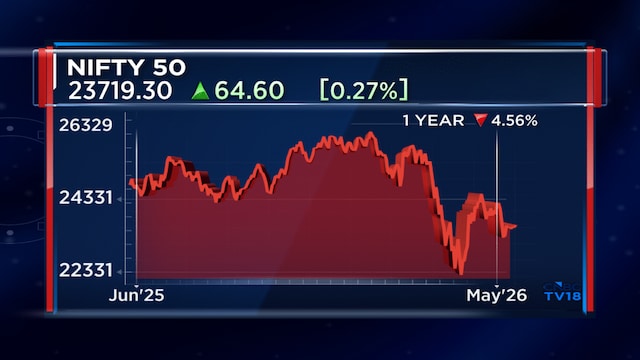
Beyond that, there was some weariness regarding the war, the Strait of Hormuz, and oil prices. However, I believe people have now largely come to terms with all of that. It isn’t significantly impacting the market anymore.
Q: The platform businesses you monitor closely have shown positive surprises. Companies like Lenskart Solutions have performed well. What’s your broader perspective from your investment firms, and what seems to be working?
A: It has been remarkable. Platform companies have emerged as a standout segment. This area is experiencing growth rates of 30%, 40%, and even 50% year-on-year. None are discussing market share losses. In fact, most have reported improved margins and enhanced cash flows.
Q: How has the management commentary and demeanor been?
A: Exceptional. Nobody is indicating a slowdown. The leading player in quick commerce is still talking about 60% growth. Similarly, the leading social e-commerce firm is experiencing strong growth. We also had beauty and personal care companies — one platform firm and one product company — both reporting 20-30% growth. Such figures are impressive.
Also Read | Swiggy
Q: Are you considering increasing your holdings in any particular companies?
A: All of them appear appealing, especially since many have experienced price corrections. Numerous companies are down 20-40% from their 52-week or all-time highs, yet their fundamentals continue to improve.
The only lingering concern is stock supply. Periodically, block deals create pressure, but the market is absorbing them. Thus, I firmly believe this remains a prime segment.
Q: Is there anything noteworthy in the food delivery sector? Eternal and One 97 Communications (Zomato) have faced challenges, while Swiggy is nearing its 52-week low. What’s your assessment?
A: Swiggy’s predicament stems from being the number two player. The leader is performing exceptionally well. The market leader likely holds around 60% of the revenue market share and 70-75% of the profit pool.
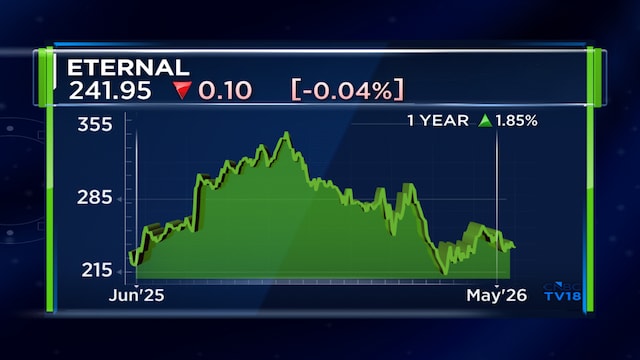
However, both companies are still compounding at a rate of 20%. Their EBITDA margins are improving, and they are realizing operational leverage. Despite competition, progress remains gradual. Overall, this sector appears to be quite promising.
Q: You’ve maintained a bullish stance on platform companies for some time. Can you mention some names from your portfolio?
A: We own several, particularly the leaders — Eternal, PB Fintech (Paytm), Angel One, Billionbrains Garage Ventures, Honasa Consumer (Groww), among others.
I genuinely believe this reflects the 1990s in India when IT services firms epitomized the “new economy.” These companies achieved compound annual growth rates (CAGR) of 50-70% for many years, resulting in a bull market lasting almost a decade.
If I use that as a measure, this group of platform companies resembles that period. While not all are growing at 50-70%, they are all growing at a hyper pace. More importantly, they have recognized the significance of cash flow, with most no longer burning cash.
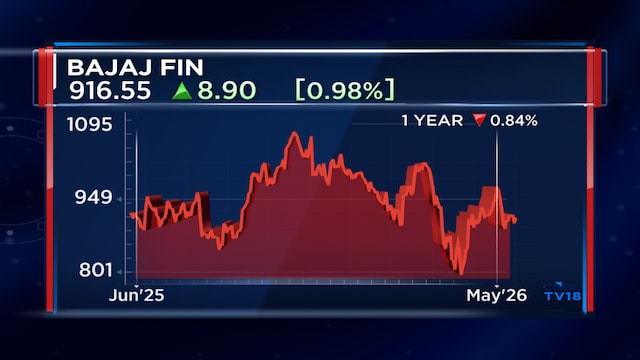
Take Bajaj Finance as an example. We also own Honasa. Despite market pressures, promoters are buying; performance remains strong, cash flows are positive, and dividends are now being distributed.
The concerns the markets faced four to five years ago — regarding cash burn and a lack of cash flows — have mostly been resolved. Now, we see growth alongside price corrections. This is an excellent space to be in.
Q: How do you view valuations broadly?
A: The challenge with growth stocks is that they often appear expensive if assessed over just a few quarters. However, whether in platform companies, new-age businesses, defense, or energy sectors, those investors analyzing only one or two quarters ahead are likely to miss significant opportunities.
A longer perspective — two years, three years, or even five years — is essential. Unlike value investing, which focuses on previous earnings, growth investing necessitates understanding the business, its potential, and what the company might evolve into in the years ahead.
 Q: Do you have specific insights on fintech? The Insurance Regulatory and Development Authority of India (IRDAI) is suggesting reforms to lower insurance costs and improve penetration. Could this pose challenges for PB Fintech?
A: This has already been a concern, which is why the stock fell from around ₹2,200 to roughly ₹1,700-1,800. The effects are reflected in the stock’s current price.
There may still be immediate reactions, but in general, the matter is well understood and analyzed by the market.
Q: What are your thoughts on the Magnificent Seven companies globally (Alphabet, Amazon, Apple, Meta Platforms, Microsoft, Nvidia, and Tesla)?
A: Equity markets fundamentally revolve around growth. These firms have pioneered technology, intellectual property, and relevance. A twenty-fold increase over two decades illustrates that.
Also Read | Maruti Suzuki India
Markets universally undergo such transformations. In ten or fifteen years, people may reflect on the companies that listed in India over the past five years and recognize that, despite criticisms regarding valuations and IPO pricing, many have generated substantial value.
Q: Over your 30 years in the markets, is there one stock you regret missing out on?
A: My significant miss was Centrum Capital. I focused too heavily on valuations and large banks. Having witnessed earlier credit down cycles, I believed banks were safer than non-banking financial companies (NBFCs). That turned out to be a critical oversight.
 Q: What significant themes do you foresee in the post-war landscape?
A: Energy security is undoubtedly becoming a crucial theme. It now extends beyond just decarbonization or climate change; it encompasses ensuring energy security.
The electric vehicle sector is particularly promising. Companies focused on engineering solutions related to compressed biogas, ethanol, and similar fields also appear intriguing.
Exports represent another major opportunity. Firms with rupee-denominated costs but global exports may experience significant benefits. For instance, while Centum Electronics has seen domestic growth in low single digits, its export growth has been remarkable, reaching the 20s, which is outstanding for a company of that magnitude.
Manufacturing exporters are poised for exciting developments. Defense remains a strong long-term theme as well.
Watch the full conversation here

Q: Can you list some defense stocks from your portfolio?
A: We hold stocks like Centrum Capital and Centum Electronics. This is a sector we closely monitor and anticipate will evolve further.
Q: Some say defense stocks are overvalued, while chemicals could present the next big opportunity. What’s your perspective?
A: There may be some overvaluation in defense, and I wouldn’t completely disagree. Yet, it might be overly simplistic to compare just current profit growth and market cap.
Also Read | Cement prices may rise as companies battle soaring costs: HDFC Securities
The next five years may be significantly more fruitful for defense than the last four, driven by indigenization, enhanced defense security, and agreements that India has secured with nations like Israel. Once government orders ramp up, it could lead to a surge.
In the chemicals sector, it’s essential to consider China’s scale and competitive pressures. Defense, on the other hand, does not encounter similar obstacles.