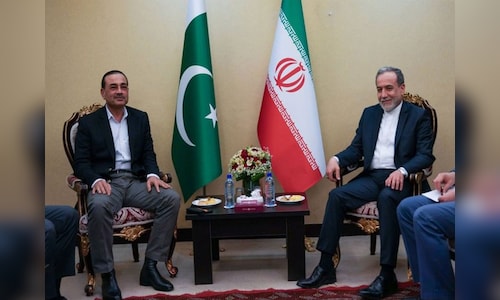
Munir arrived in Tehran on Friday for a pivotal visit to accelerate efforts toward a peace agreement between the US and Iran, according to the Pakistan Army, which noted that this visit is part of ongoing mediation initiatives.
In Tehran, Munir was welcomed by Iran’s Interior Minister Eskandar Momeni.
Simultaneously, Pakistan’s Interior Minister Mohsin Naqvi, who is considered to have a close relationship with Munir, was already in Tehran engaging with high-ranking Iranian officials when the field marshal landed, as reported by the Army.
As per a statement shared on social media by Iran’s government, Munir and Araghchi convened in Tehran to “discuss diplomatic initiatives aimed at averting further escalation and promoting peace, stability, and security in West Asia”.
The state-run IRNA news agency of Iran indicated that the discussions between the two leaders extended late into the night.
This marks the field marshal’s second visit to Iran within just over a month.
Pakistan has taken on the role of mediator in the ongoing conflict, which has resulted in significant energy shortages and adversely affected economies globally.
Several experts indicate that Pakistan is seen as a trusted intermediary by both Tehran and Washington.
Last month, Islamabad organized peace talks for senior leaders from both factions, the first such meeting since 1979, although a formal agreement could not be reached.
Key issues of contention are thought to involve Iran’s nuclear program and control over the Strait of Hormuz—a vital waterway that typically carries about one-fifth of the world’s energy supplies. Shipping routes through the strait have faced serious interruptions since February 28, following the commencement of joint US and Israeli military operations against Iran, which incited retaliatory actions.
These disruptions in shipping continue even though a fragile ceasefire has been sustained since April 8.
First Published: May 23, 2026 2:50 PM IST