The administration is looking to establish a new state entity to oversee commodity exports and address issues of under-invoicing, according to these sources. This agency would operate under the supervision of Danantara, the sovereign wealth fund directly accountable to President Prabowo Subianto, with an announcement expected as early as Wednesday, they noted.
Details regarding the agency’s operational functioning are still being finalized and remain uncertain at this time, they added.
Clarity on the proposed entity and its prospective responsibilities is still limited. Danantara, the Government Communication Agency, and the ministries of trade and finance have not provided responses to inquiries.
The country’s benchmark stock index dropped 3.5% on Tuesday, with traders attributing the decline to speculation surrounding the new regulatory body.
Also Read: OpenAI founding member Karpathy joins Anthropic
This agency represents Prabowo’s most significant initiative to enhance state revenue to support costly flagship programs, such as universal free school meals. These initiatives, coupled with escalating energy import costs and growing investor concerns regarding governance issues in Southeast Asia’s largest economy, have driven the Indonesian rupiah to a record low against the dollar this week.
A potential benefit of increased export regulations could be the maximization of foreign exchange inflows, potentially strengthening the rupiah. The government has already imposed stricter limits on foreign exchange transactions to curb the currency’s depreciation. Additionally, the central bank has been actively intervening in the market to support the rupiah.
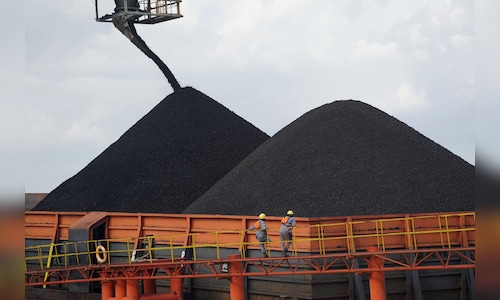
Indonesia is the leading global exporter of both thermal coal and palm oil, and greater government control over shipments could disrupt global markets for these commodities. Historically, the nation has banned certain natural resource exports to promote downstream manufacturing and secure domestic supplies, while also aiming to raise prices by limiting output or enforcing government-set sales benchmarks.
Under-invoicing remains a prevalent and persistent issue in Indonesia’s commodities sector. This practice entails reporting shipments at lower values than their actual worth, allowing profits to be shifted to regions with lower tax rates. A Global Financial Integrity study estimated that the government lost $6.5 billion in tax revenue in 2016 due to this practice.
In a recent interview with Bloomberg, Finance Minister Purbaya Yudhi Sadewa identified combating under-invoicing as a top priority. He has previously warned of the possibility of replacing Indonesian customs officials with foreign contractors due to concerns over corruption.
Prabowo has vocally criticized elites and foreign entities for diverting profits from the country’s natural resource wealth. His administration has confiscated significant areas of land from palm oil companies and miners and has imposed heavy fines on firms found to be in violation of forestry regulations.