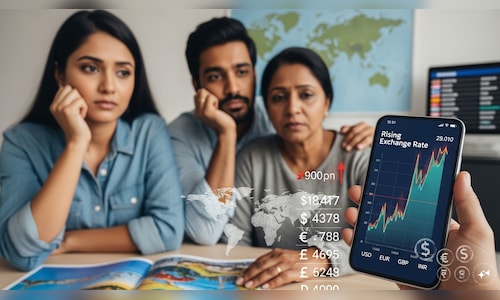
The Passport & Paisa: India Travel Money Report 2026 revealed that almost 78% of Indians intend to boost their international travel spending following the recent cut in Tax Collected at Source (TCS) for overseas travel. Nevertheless, despite the increasing desire to travel, budgeting apprehensions remain the key factor in their decision-making.
The survey, conducted among over 1,050 Indian international travelers, identified travel budget management as the foremost concern, surpassing issues like visa delays, flight disruptions, language challenges, and connectivity problems.
A significant worry is the confusion surrounding foreign exchange expenses. While many travelers actively compare flight and accommodation rates, a considerable number do not fully grasp the exchange rate or the hidden fees encountered while spending abroad.
“Indian travelers are becoming more global, but their spending habits overseas are still evolving,” remarked Taneia Bhardwaj, South Asia Expansion Lead at Wise. “People are very mindful of their travel budgets, yet often have little insight into the exchange rate or markup that applies when they make purchases abroad.”
The study emphasizes that undisclosed exchange rate markups and opaque pricing represent the top two frustrations regarding currency exchange, followed by challenges in comparing rates among different service providers.
Despite the push for digital payments in India, 38% of travelers still opt to exchange cash prior to departure, making it the predominant method for handling foreign currency. International debit and credit cards are the next most popular options, while digital multi-currency accounts only constitute 9% of the usage.
Reliability continues to be the most crucial factor in selecting a travel card. The report indicates that global card acceptance is prioritized over benefits like lounge access, rewards, or eSIM offerings.
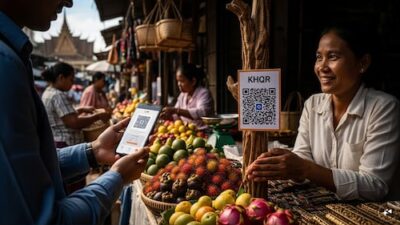
Southeast Asia remains the premier international destination for Indians at 34%, followed by Europe and West Asia.
First Published: Jun 2, 2026 3:48 PM IST