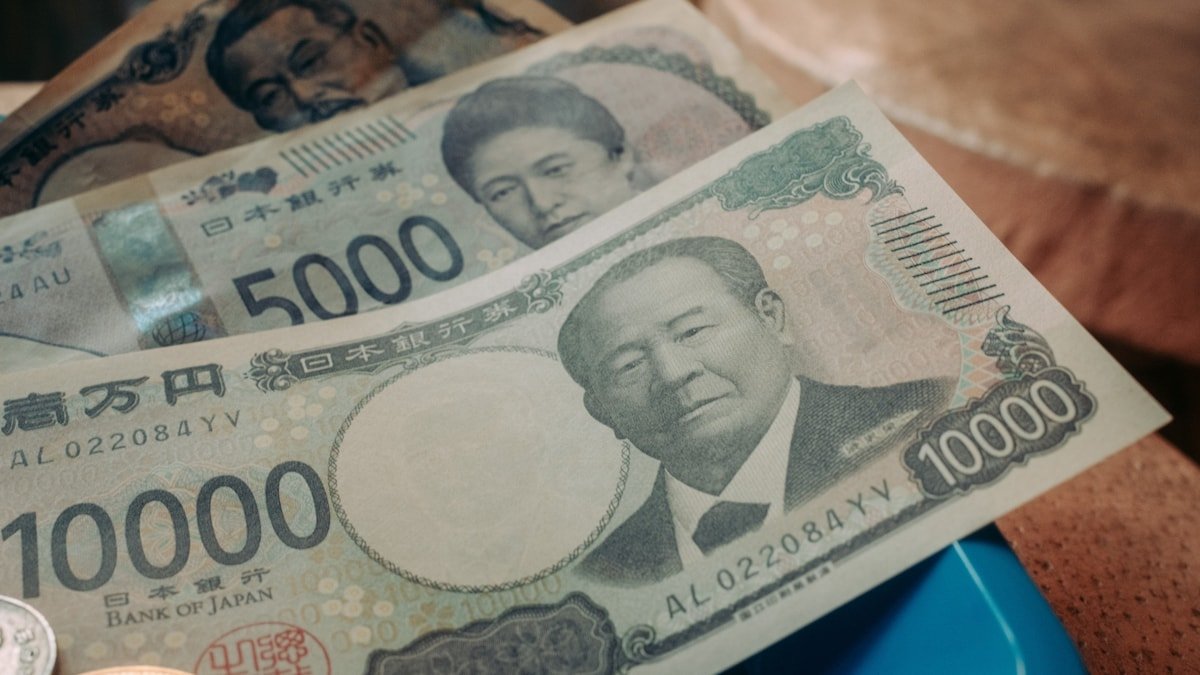
On Friday morning, the currency was trading at approximately 158.45 against the dollar, significantly down from the peak of 155.23 reached on Monday. Just last week, it was close to a four-decade low of around 164 per dollar prior to the first coordinated yen-buying effort by Japan and the US since 1998.
Also Read: What Friday’s jobs report could signify for investors
This retreat highlights the limitations of intervention in reversing the yen’s long-term depreciation, as a substantial interest-rate gap with the US, coupled with Japan’s substantial debt and ongoing geopolitical uncertainties, continues to impact the currency. Meanwhile, on Thursday, the dollar recorded its largest one-day increase in two weeks as oil prices surged, reflecting dwindling optimism regarding easing tensions in the Middle East.
Officials from both the US and Japan have cautioned investors that they remain committed to defending the yen as necessary.
“There is a significant likelihood of another intervention, particularly as the dollar-yen approaches 160,” stated Moh Siong Sim, a strategist at the Oversea-Chinese Banking Corp. However, he added, “for such intervention to be effective, it must coincide with faster BOJ rate hikes or a scenario conducive to Federal Reserve easing.”
While the Bank of Japan maintained its benchmark rate last week, overnight index swaps indicate about a 60% probability of a rate hike by September. Japan’s top currency official, Atsushi Mimura, noted that authorities would react to foreign-exchange movements in conjunction with monetary policy.
First Published: Aug 7, 2026 6:30 AM IST