What’s in it for travellers?
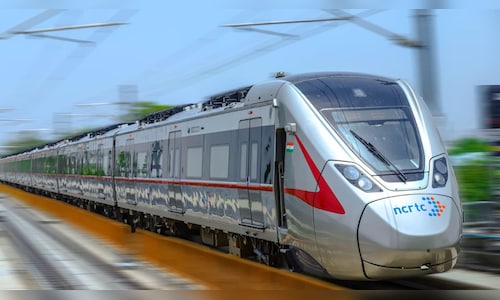
Delhi to Meerut in under an hour: With a design speed of 180 kmph (and a maximum operational speed of 160 kmph), the Namo Bharat trains are engineered for speed. Even operating at an average of around 90 kmph, the corridor will reduce the travel time between Delhi and Meerut to less than one hour.
Also Read: Greater Noida–Faridabad travel time to be reduced to 30 minutes; get the latest update on the Manjhawali bridge
Complete 82 km connectivity: So far, 55 km from New Ashok Nagar to Meerut South has been operational, covering 11 stations. With the opening of:
- The 5 km section between Sarai Kale Khan and New Ashok Nagar in Delhi
- The 21 km stretch between Meerut South and Modipuram in Uttar Pradesh
…the entire corridor will be operational.
16 stations across Delhi and UP: The corridor includes 16 stations—13 elevated, two underground (Anand Vihar and Begumpul), and one at grade (Duhai Depot). It connects vital urban areas such as Sahibabad, Ghaziabad, Modinagar, and Meerut with Delhi, enhancing the speed of regional movement across the NCR.
Also Read: DGCA suggests a 30-day flying ban by airlines for unruly passengers
India’s first Regional Rapid Transit System (RRTS)
This is the nation’s inaugural Namo Bharat Regional Rapid Transit System, specifically designed for high-speed regional travel. The 82.15-km corridor comprises approximately 14 km in Delhi and 68 km in Uttar Pradesh, featuring two maintenance depots at Duhai and Modipuram.
Seamless intercity + intra-city travel
Alongside the full opening of the corridor, Meerut Metro services between Meerut South and Modipuram will also commence. Utilizing the same infrastructure as Namo Bharat, this integrated model represents a first of its kind in India.
Meerut Metro, achieving a maximum operational speed of about 120 kmph, will complete its entire route in roughly 30 minutes at all scheduled stops—making intra-city travel just as quick as regional travel.
Also Read: Now you can visit the Red Fort every day of the week