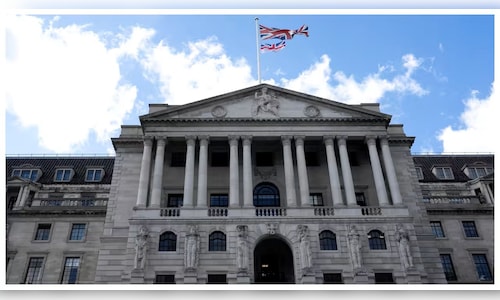
This decision aligned with expectations from a Reuters survey of economists and received backing from seven out of nine members of the Monetary Policy Committee (MPC). Two members favored a 25-basis-point hike, citing concerns about persistent inflationary pressures.
The BoE’s decision to pause comes amid rising global energy prices stemming from the Iran conflict, which has contributed to increased inflation in various countries. The United Kingdom, as a net energy importer, is especially vulnerable to these price fluctuations.
In May, UK inflation was recorded at 2.8%, slightly below expectations, primarily driven by rising transport fuel costs. However, analysts warn that this reduction may be short-lived, as regulated energy price adjustments are likely to lead to higher inflation later in the year.
The UK economy also exhibited signs of weakness, contracting by 0.1% in April, highlighting the delicate growth projections.
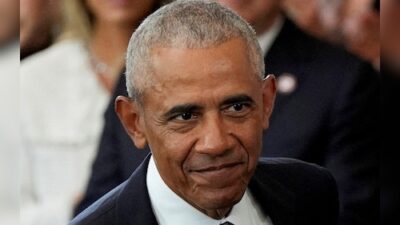
BoE Governor Andrew Bailey stated, “The higher energy prices over the past four months indicate some inflationary pressure is already building.” He mentioned that the recent drops in oil prices were “encouraging,” although prices remain above pre-conflict levels.
“Regardless of future developments, the Bank’s responsibility is to ensure that does not result in sustained inflation over our 2% target,” Bailey remarked.
Despite indications of easing inflation, financial markets continue to anticipate the possibility of further rate adjustments later this year, based on LSEG data, as officials remain wary of secondary effects from energy-induced price hikes.
At their last meeting, the MPC also opted to maintain current rates, reflecting a gradual move toward a more cautious policy approach after an extended period of tightening.