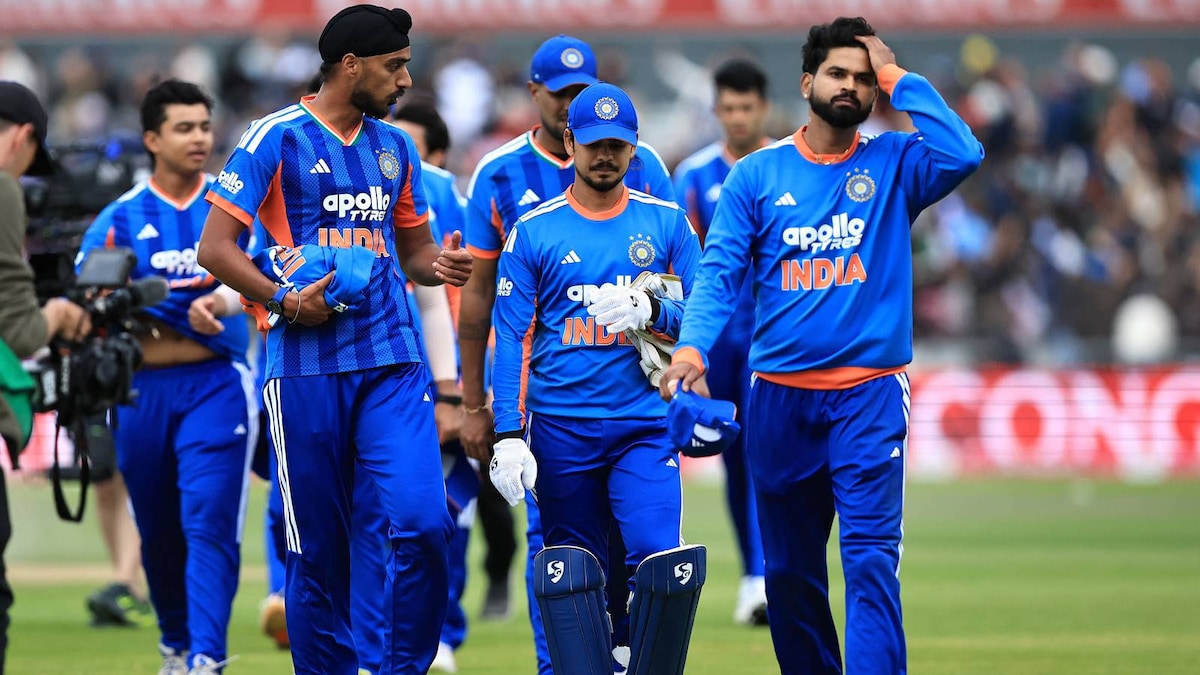
Entering the series after facing defeats in both England and Ireland, Iyer is confident that these setbacks have allowed the team to pinpoint areas for growth while reinforcing the camaraderie within the squad.
“We experienced a challenging time in England, but there were numerous positives. We learned what we need to cultivate as a team moving forward, including the kind of presence of mind, awareness, and adaptability required when we step onto the field,” Iyer remarked ahead of the first T20I.
The tour of England and Ireland also represented Iyer’s inaugural assignment as India’s T20 captain, and the 31-year-old emphasized the importance of quickly adapting to the unfamiliar conditions in Zimbabwe. He urged the younger players to compete freely despite the rising scrutiny on India’s recent performances.
“Some of us are experiencing this for the first time, so the quicker we adapt, the more successful we will be. I don’t think they should fear failure because when such thoughts linger in the back of your mind, you tend to play defensively. Without that fear, you can truly excel,” he stated.
Iyer underscored that external opinions should not sidetrack the team from its long-term goals. India traveled directly from England to Zimbabwe and had only one training session before the first match, a challenge he believes his team should embrace.
“We shouldn’t dwell on what people are saying externally. Our focus should remain on the present. The more we play good cricket and function cohesively as a unit, the better it will be for the team.”
“It is undoubtedly very challenging. We arrived yesterday, today is practice, and tomorrow is the match. But it is enjoyable, and if you perform well in such situations, you will certainly feel satisfied.”
Reflecting on the demanding overseas schedule, Iyer noted that the experiences gathered from Ireland, England, and Zimbabwe would ultimately benefit the team in the future.
“The results may not have favored us, but that has brought the team closer together. We’ve been engaged in numerous discussions about how we will play as a unit moving forward. This is excellent exposure, as opportunities like this are rare. It is a challenging phase, and the sooner we navigate through it, the stronger we become as a team.”