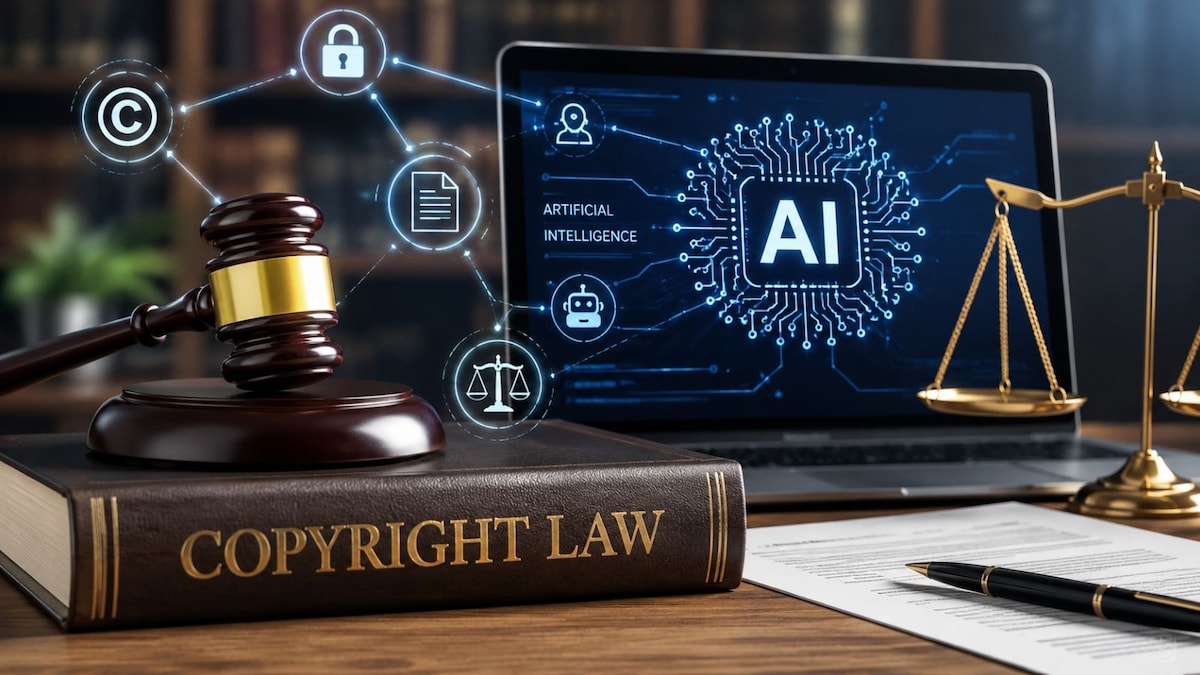
If enacted, Indonesia could become the first nation in Southeast Asia to incorporate AI into its copyright framework, as governments globally wrestle with the implications of this technology on copyright regulations, particularly regarding the use of human-created works to train AI models.
The timeline for the bill’s passage into law remains uncertain; it was initiated by parliament and has been sent to the government for feedback.
Hermansyah Siregar, an official from Indonesia’s law ministry responsible for intellectual property, confirmed the draft bill’s authenticity and informed Reuters that this would represent the first explicit acknowledgment of AI in Indonesia’s copyright law.
“The rise of generative AI has disrupted the existing copyright framework,” Siregar stated. “If not properly managed, it could compromise human creativity.”
FAIR-USE PROVISIONS
The previously unreported AI-specific provisions of the bill include prohibiting AI from mimicking a creator’s “distinctive style” and requiring disclosure of AI usage in content creation.
The bill mandates that tech platforms compensate for the aggregation, republication, or link-previewing of news content, as well as utilizing it for AI training. This compensation would be directed to state-supervised collective management organizations, which would allocate the funds to news publishers.
The proposed regulations would cover a wide array of content, including video games, photographs, software, journalism, and films.
Works generated with AI would be eligible for copyright protection only if they involved human participation, whereas entirely AI-generated works would be excluded. The draft does not specify the level of human involvement required for copyright eligibility.
Additionally, the utilization of copyrighted works for training AI models would fall under fair-use provisions or necessitate licensing agreements, according to the draft.
Ari Juliano Gema, a lawyer specializing in intellectual property and entertainment, noted that the bill might raise concerns among tech companies, as it seemed to blur the lines between commercial AI use and research purposes.
Major technology firms like Google, which criticized the proposed copyright reforms in a statement last month, could face penalties for non-compliance with the bill, including the potential revocation of their local business licenses.
“Strict, overly broad requirements could harm local creators, hinder innovation, and isolate Indonesia on the global stage, ultimately deterring the investment necessary for its digital advancement,” Google commented, affirming its intention to engage with the government regarding the proposed legislation.
Meta and TikTok have not yet responded to requests for comment on the proposals. Meta’s platforms, Instagram and Facebook, enjoy considerable popularity among Indonesians.
Siregar remarked that AI regulation is a worldwide concern, referencing an ongoing lawsuit spearheaded by the New York Times, one of many filed by copyright owners against tech companies for the alleged misuse of their material in training AI systems.
The draft is not finalized, and the government is open to further input, Siregar added.
INDONESIA’S AI PUSH
Indonesia’s proposed regulations align with its push for broader AI adoption and the government’s efforts to integrate AI into vital programs.
Recently, Indonesia was among 29 countries that signed an agreement in Shanghai to form an intergovernmental body aimed at fostering cooperation and global governance regarding AI, as promoted by China.
On Friday, China’s President Xi Jinping presented a vision for a new global AI framework, offering to share open-source AI technology and expertise with developing nations.
Xi emphasized the need for AI systems to remain under human oversight and called for the establishment of early-warning and emergency-response mechanisms to address AI risks, underscoring the significance of human control.
Indonesia’s AI disclosure mandates reflect similar transparency rules being developed in other regions.
The European Union AI Act requires businesses to clearly label instances where AI has been employed to generate or modify images, videos, or audio content that constitutes a deepfake, with certain exceptions for artistic or satirical works.
Although AI is not explicitly referenced in U.S. or Singapore copyright laws, their copyright offices have indicated that copyright protection necessitates human contribution.