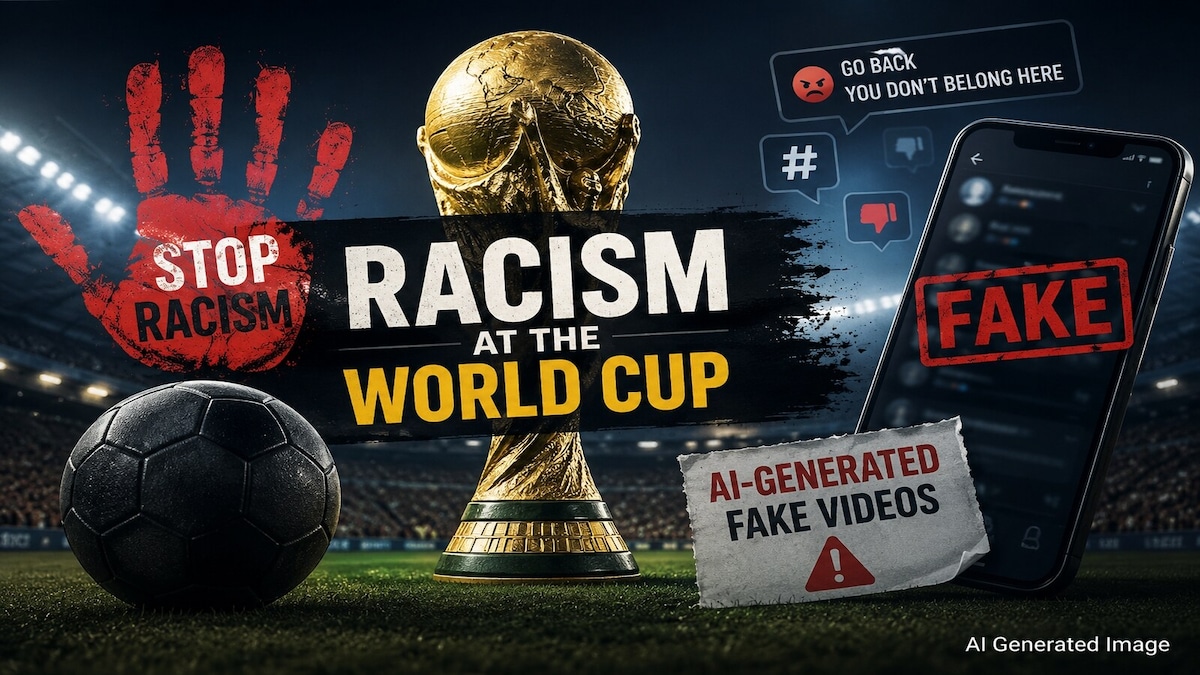
The Global Players’ Union (FIFPRO) has alerted stakeholders to a discernible trend of racist and discriminatory attacks aimed at players throughout the competition. The organization has called upon football governing bodies, social media companies, and law enforcement to enhance their response to online abuse and discrimination.
One notable incident involved France captain Kylian Mbappé. After France’s win over Paraguay, a Paraguayan senator shared a racist message on social media that inaccurately questioned Mbappé’s identity and nationality. French authorities have initiated an investigation into this incident.
FIFA is also looking into claims of racist abuse involving Argentine supporter and online streamer IShowSpeed during Argentina’s matchup against Cape Verde. In a separate case, fans from Cape Verde and Egypt have accused Argentina supporters of racist behavior and violence during the tournament.
Concerns are not limited to fans, as several football analysts have also faced backlash over remarks perceived as racially insensitive.
As football authorities address these issues, the tournament is also grappling with a new challenge stemming from artificial intelligence. A variety of AI-generated videos and fake social media posts have circulated online, erroneously accusing coaches, players, and supporters of racist actions.
One widely circulated video falsely depicted Netherlands coach Ronald Koeman making racist comments after his team’s loss to Morocco. Another fabricated video alleged that Algerian supporters had engaged in extremist chants against Argentina. Both clips were later confirmed to be false.
The rise of AI-generated misinformation has complicated the struggle against racism, creating ambiguity around genuine allegations and hindering authorities and the public in distinguishing real incidents from false content.
As verified instances of racist abuse continue to emerge during the FIFA World Cup, the battle against discrimination in football faces the additional challenge of controlling the spread of AI-generated misinformation that threatens to undermine trust in authentic complaints.
First Published: Jul 10, 2026 9:47 PM IST