These remarks followed an incident this week where three commercial tankers from Qatar and Saudi Arabia were targeted, leading the U.S. to respond with strikes on Iranian locations and Iran countering with attacks on U.S. military facilities in nearby Gulf states on Thursday. No incidents were reported on Friday.
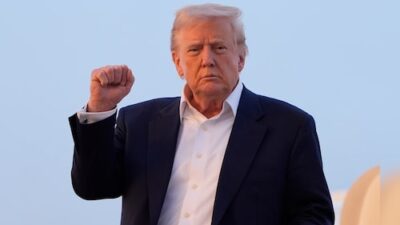
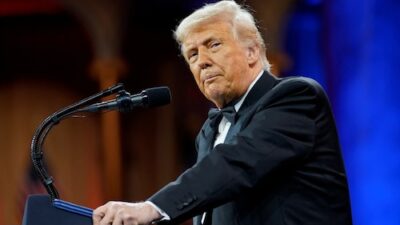
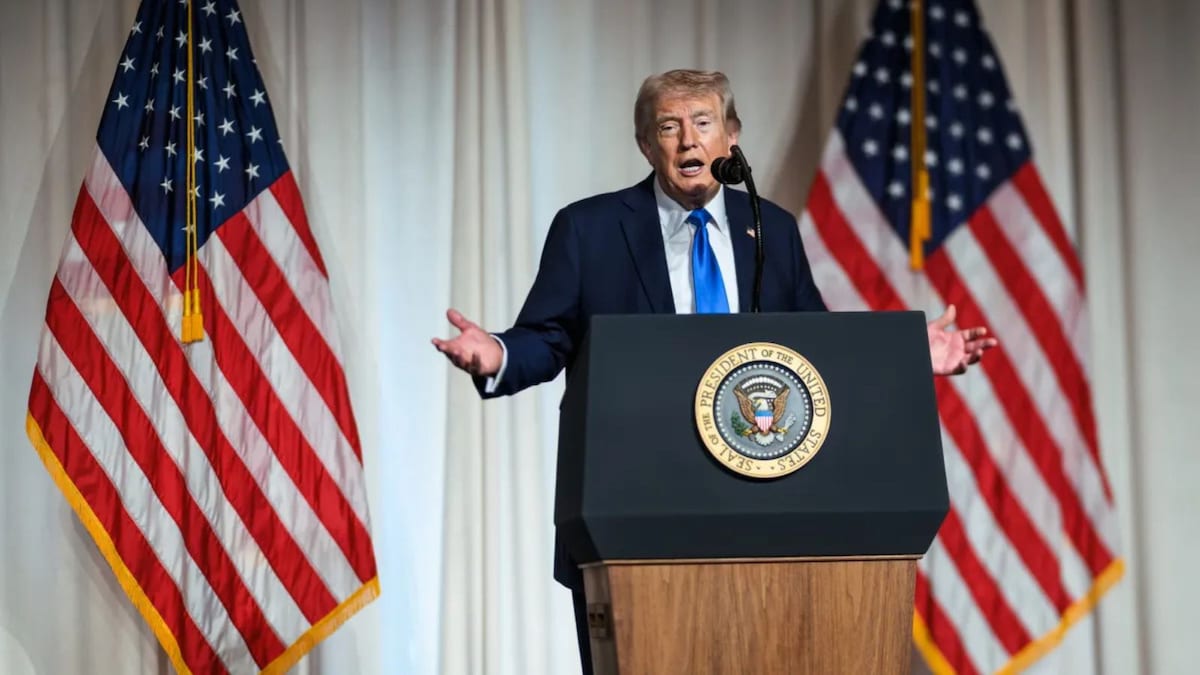
“The Islamic Republic of Iran has requested us to pursue ‘talks.’ We have agreed, but the United States has made it abundantly clear that the Cease Fire is OVER!” he posted on Truth Social.
Last month, the two countries established a temporary agreement to halt a four-month conflict that resulted in numerous casualties and disrupted global energy supplies.
Negotiators from Qatar were engaging with officials in Iran on Friday to help de-escalate the situation after the recent exchanges of fire and to discuss navigation through the Strait of Hormuz, according to a source familiar with the matter who spoke to Reuters.
On Friday, daily tanker traffic through this vital shipping lane appeared to decrease following the attacks, which raised concerns about the restoration of global oil supplies and drew attention to the fragile nature of the interim truce.
The discussions in Iran are aimed at addressing the implementation of the U.S.-Iran memorandum of understanding and the factors that led to the recent escalation, including navigation disputes in the strait, the source indicated.
Iran’s semi-official news agency, Tasnim, reported that a Qatari delegation visited Iran to strengthen Doha’s position as a mediator.
Oil prices saw a decrease on Friday but remained poised for a 5% increase over the week following the recent hostilities.
GLOBAL OIL SUPPLY UP BUT STILL BELOW PRE-WAR LEVELS
Prior to the conflict, the Strait of Hormuz accounted for approximately one-fifth of global oil supplies. Since then, Tehran has largely asserted control over the waterway, resulting in a stalemate against the world’s most powerful military.
As part of the interim agreement, the U.S. lifted its naval blockade of Iranian ports, while Iran promised to guarantee the safe passage of commercial ships.
However, this week, Washington accused Iranian forces of assaulting three tankers in the area and retaliated with strikes on military installations in Iran. Although Iran has not claimed responsibility for these attacks, analysts suggest that Tehran employs such tactics to gain leverage in negotiations.
Iran subsequently launched attacks on U.S. military sites in Gulf states on Thursday.
The U.S. stated that its actions aimed to keep the strait open and highlighted that Iran did not control the waterway. Tehran, however, warned that the strait would only be reopened on its own terms, threatening a “crushing response” to any U.S. intervention.
The governing council of the U.N. shipping agency condemned Iran’s attempts to impose sovereignty over the Strait of Hormuz on Friday and criticized Tehran’s “unilateral decision” to form a body to oversee traffic through the strait.
Before this week’s incidents, daily tanker traffic had reached its highest levels since the onset of the war, averaging 40 ships passing through the strait, yet still falling short of the pre-conflict average of 125 to 140 vessels daily.
CONDOLENCE CEREMONY FOR KHAMENEI
On Thursday, Iran held the burial of its deceased Supreme Leader, Ayatollah Ali Khamenei, at the nation’s most sacred shrine in Mashhad, concluding a week filled with funeral processions and rallies.
Khamenei was killed in an airstrike on the war’s first day, February 28. A condolence event will be conducted on Friday evening after sunset prayers on behalf of Supreme Leader Mojtaba Khamenei for his father in the city of Qom, as announced by his office. Mojtaba Khamenei, who sustained injuries in the same strike that killed his father, has not made a public appearance yet.
The current whereabouts of Mojtaba Khamenei remain unknown to both Iranians and the international community, sparking speculation regarding his plans for Iran during this turbulent period in the Islamic Republic’s 47-year history.
Meanwhile, Trump’s inability to bring an end to the conflict has led to frustration, particularly as the president’s Republican Party approaches midterm elections amidst soaring gas prices and growing voter dissatisfaction.
(Additional reporting by Jonathan Saul; writing by Alexandra Hudson; editing by Philippa Fletcher and Andrew Heavens)