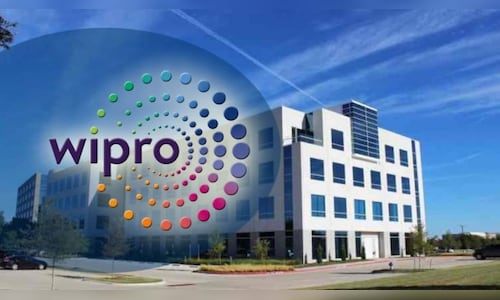
In its FY26 annual report, the Bengaluru-based firm emphasized that while it is progressively incorporating generative and autonomous AI into its service offerings and internal processes, the technology remains “uncertain and evolving.”
“The development, implementation, and utilization of AI technologies are still unpredictable and in flux, and we may struggle to successfully create, deploy, or scale AI-enabled solutions or achieve the expected benefits. Any failure to innovate or effectively integrate these technologies, or if they do not perform as anticipated, could negatively influence our competitive edge, operational efficiency, and financial outcomes,” Wipro specified.
The company warned that AI systems with limited human oversight heighten the risk of unforeseen consequences. Shortcomings in these solutions, Wipro pointed out, could result in project delays, failure to meet contractual obligations, disputes, and ultimately, business loss.
The emergence of AI automation, enhanced efficiency, and client-independent tools might reduce the demand for specific core services. This shift could adversely impact pricing, profit margins, service quality, and the variety of services the firm provides.
Moreover, the IT services provider emphasized that the implementation of AI increases its exposure to legal and regulatory challenges.
“Clients may require heightened contractual protection regarding AI use, including representations, warranties, indemnities, audit rights, and obligations related to intellectual property ownership, data usage, cybersecurity, regulatory compliance, and AI-generated outcomes.
“If AI-enabled solutions inflict harm on clients, their customers, or other third parties, we might face regulatory scrutiny, lawsuits, financial liabilities, reputational damage, or increased compliance costs,” Wipro added.
In addition to operational AI risks, Wipro highlighted the rising threat of sophisticated cyber attacks.
The company expressed concern that the malicious use of advanced AI technologies to produce deepfakes and facilitate AI-generated social engineering has broadened the threat landscape, making both the company and its third-party partners susceptible to data breaches and ransomware assaults.
In addition to technological challenges, the company cited macroeconomic and geopolitical uncertainties as substantial risks to its growth trajectory.
“Recent and ongoing geopolitical shifts, including changes in tariffs and trade policies in regions where we or our clients operate, along with other global geopolitical events, conflicts, or disruptions, may directly or indirectly impede our growth,” the report indicated.
Wipro, which generates about 62% of its IT services revenue from the Americas and 27% from Europe, noted that current conflicts in the Middle East, South Asia, and between Russia and Ukraine could lead to supply chain disruptions, inflationary pressures, and diminished business confidence.
This scenario might prompt clients to postpone, decrease, or reallocate their discretionary technology expenditures.
Additionally, the company cautioned that the rising wage conditions in India could erode its historical competitive edge against tech companies in the US and Europe, potentially tightening profit margins.
Also Read: Global AI capex nears $700 billion as investor appetite for tech IPOs stays strong: Citi