2026 FIFA World Cup Tourism Projections Dim as Hotel Reservations Fall Short
3 min read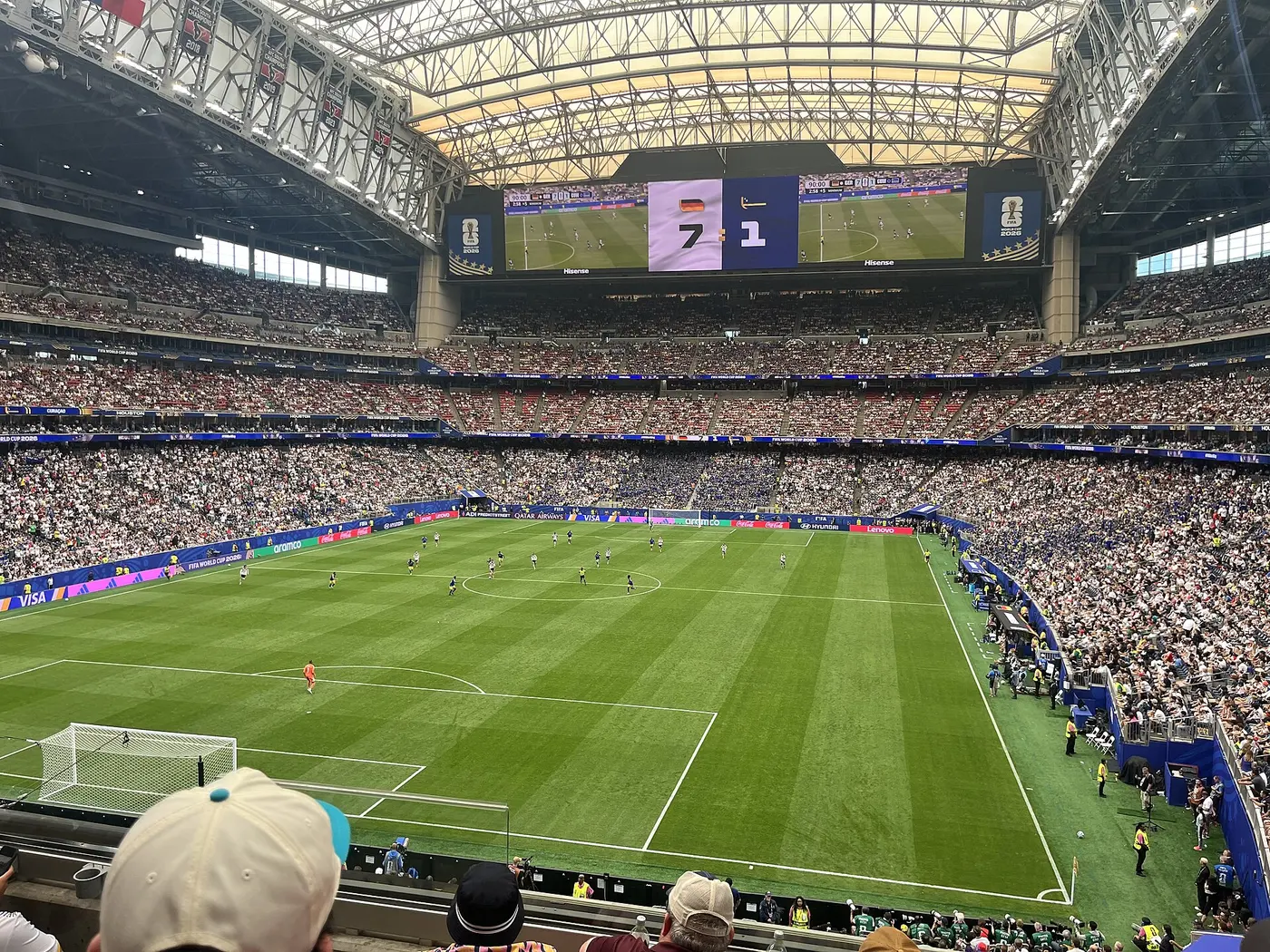
FIFA has projected a significant economic boost from the tournament, with a FIFA‑commissioned socio‑economic impact study estimating that the event could contribute as much as $40.9 billion to the US GDP. This forecast is based on the assumption that nearly 40% of stadium attendees will be international visitors—an influx that has not yet been clearly evident in early industry indicators.
Bookings lag behind expectations, prices decrease
Hotel prices, which spiked after the December draw and the release of the match schedule, have since stabilized. Industry analyses indicate that average nightly rates across host markets surrounding the opening matches had risen to over $1,000—more than three times the usual late‑May rates—before dropping by more than 40% in subsequent months.
Data from the real estate and hospitality analytics firm CoStar Group reveals that bookings in various US host cities are only slightly higher than the same period last year. In most areas, booking levels generally match normal summer demand rather than an event-driven increase.
Additionally, a survey conducted by the American Hotel and Lodging Association shows that many hotel operators are experiencing reservations below previous forecasts, despite the sale of millions of tickets for the tournament.
International travel demand has not yet surged
Initial US government data does not indicate a significant rise in inbound travel associated with the tournament. Approximately 12,000 applicants have entered the FIFA visa fast-track program launched earlier this year, while around 5.1 million Electronic System for Travel Authorisation (ESTA) applications have been recorded year-to-date, maintaining a pace consistent with typical annual trends.
These statistics suggest that international travel demand has not yet noticeably increased prior to the event. Analysts point to factors such as visa restrictions, high travel and ticket prices, and broader geopolitical circumstances as potential challenges.
The World Travel and Tourism Council reported a 5.5% decline in US visitor numbers in 2025, even as global tourism hit record highs. Furthermore, Tourism Economics has adjusted its 2026 US arrivals forecast down to a 3.4% increase from the earlier estimate of 3.9%, predicting that World Cup-related travel could bring in about 742,000 visitors during the tournament.
Supply changes impact pricing
Hotel pricing dynamics have also been affected by FIFA’s bulk room booking strategy. The organization reserved large blocks of rooms across host cities and later released a significant portion back into the market, thereby increasing the available supply.
This change has led to price adjustments in multiple cities. In various markets, including Atlanta, Boston, Philadelphia, and Seattle, hotel rates for match periods have sharply decreased from earlier peaks—some by as much as 50%, according to industry analyses.
Demand varies across host cities
Demand patterns differ by location. Cities hosting higher-profile matches have observed relatively stronger booking activity, while traditionally popular tourist locations have seen limited additional impact thus far.
Airbnb highlights affordability and group travel trends
Airbnb data reveals that travellers from the United States, United Kingdom, and Canada are leading the search for stays around match dates.
Families and groups make up over half of the bookings so far, with shorter stays—particularly two-night trips—being the most common. Around 75% of family bookings are for two or three-bedroom listings, indicating a preference for shared accommodations.
Affordability remains a crucial element. Airbnb data shows a significant portion of listings in host cities are available for under $500 per night, with booking trends favoring these more economical choices.
The platform also highlights “gateway travel,” where visitors extend their trips beyond host cities. Non-US travellers account for about 70% of such travel and generally stay longer than domestic visitors.
Airbnb, referencing a Deloitte study it commissioned, estimates its guests could contribute $3.6 billion to the economies of host cities during the tournament.
Industry anticipates late bookings
Despite early indicators being subdued, the industry expects booking activity to increase as the tournament approaches, particularly during the knockout stages, which are less suitable for advance planning.
FIFA has sold around 5 million tickets thus far, with more inventory anticipated to be released. While the prediction of a massive international influx remains uncertain, industry stakeholders continue to expect a late surge that could enhance occupancy rates and travel demand as the event draws nearer.