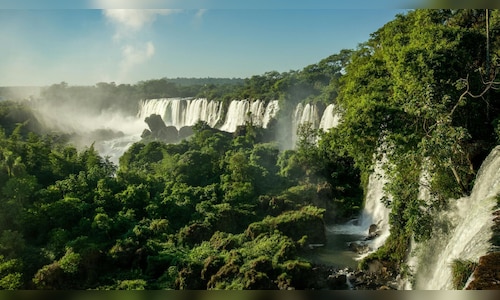
World Rainforest Day is celebrated worldwide on June 22 to highlight the essential role these ecosystems have for our planet. These vibrant landscapes…

 1/10
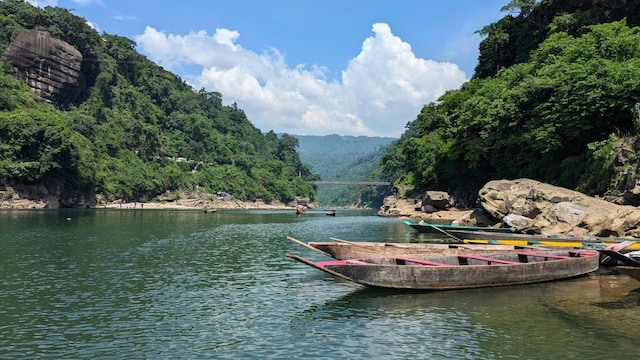
1/101. Assam: Nestled within the Indo-Burma biodiversity hotspot, Assam’s rainforests are ancient, dense, and incredibly humid. Known as the “Amazon of the East,” they house thousands of species of flora and fauna. The deep jungles provide crucial habitats for the Asian elephant, leopards, gibbons, and the renowned Indian one-horned rhinoceros, among others. (Image: Canva)
 2/10
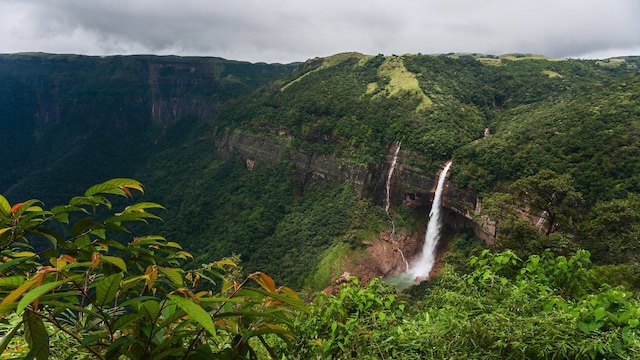
2/102. Meghalaya: The rainforests of Meghalaya rank among the world’s northernmost true tropical rainforests. Receiving over 11,000 mm of rainfall annually, they shelter unique species such as the pitcher plant and clouded leopard. Rather than being government-managed, over 90% of these forests are community-owned, with locals preserving numerous “Sacred Groves” in honor of local forest deities. (Image: Canva)
 3/10
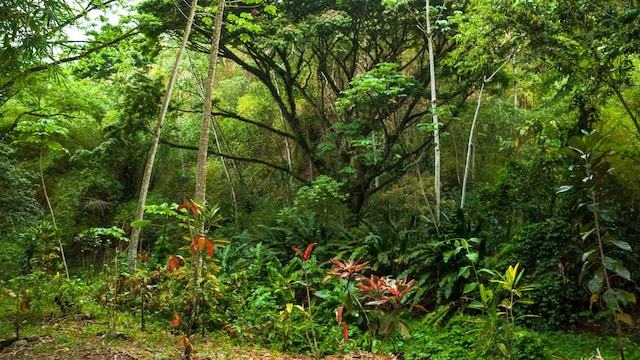
3/103. Karnataka: Situated within the central Western Ghats, Karnataka’s rainforests are recognized as a UNESCO World Heritage biodiversity hotspot. Often referred to as the “Cherrapunji of South India,” the renowned Agumbe rainforest receives some of the country’s highest rainfall, transforming it into a vibrant, mist-enshrouded region rich in endemic plants and rare wildlife. (Image: Canva)
 4/10
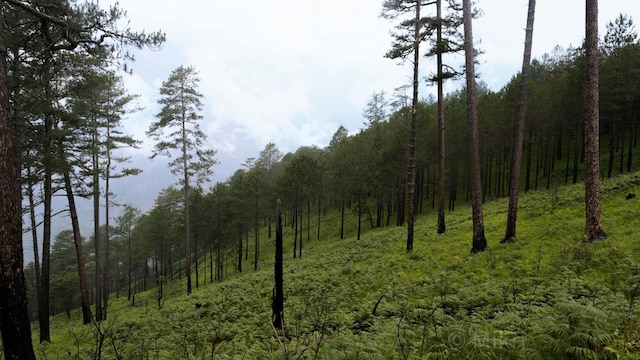
4/104. Arunachal Pradesh: The rainforests in Arunachal Pradesh represent a pristine and biodiversity-rich ecosystem in the Eastern Himalayas. Characterized by dense canopies, deep river valleys, and over 80% humidity, these ancient forests are an ecological treasure trove with tangled vines, bamboo, and wild bananas. They are home to more than 500 orchid species and 52 types of rhododendrons, serving as habitats for the Hoolock Gibbon, tigers, clouded leopards, elephants, and the rare red panda at higher altitudes. (Image: Canva)
 5/10
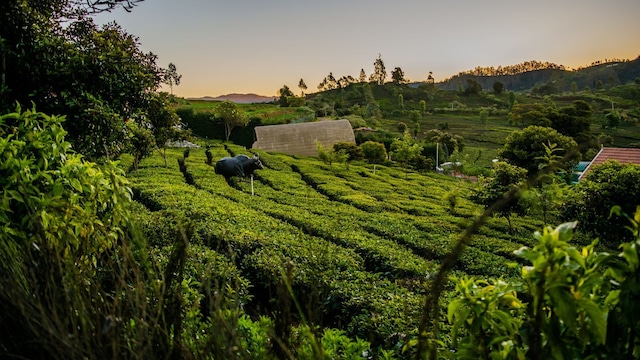
5/105. Tamil Nadu: The rainforests of Tamil Nadu mark the southern tip of the Western Ghats. The Anamalai Tiger Reserve and the Nilgiri Biosphere Reserve, a UNESCO World Heritage Site, host tigers, leopards, elephants, and many endemic species. The tall upper canopies can reach heights of 40 meters, filtering sunlight, while the undergrowth teems with ferns, mosses, and over 175 orchid species. (Image: Canva)
 6/10
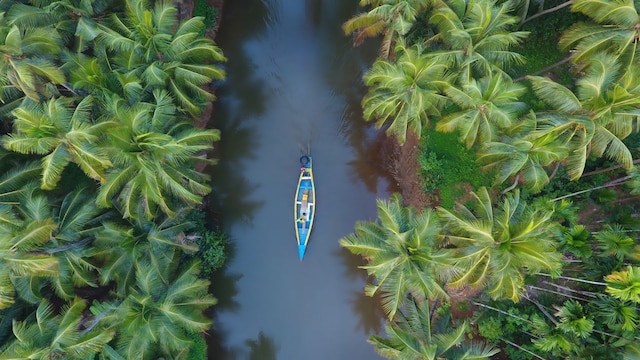
6/106. Kerala: The rainforests of Kerala are among the oldest and most diverse ecosystems worldwide. Characterized by towering canopies, lush vegetation year-round, and substantial rainfall, they serve as crucial ecological anchors and climate regulators for the region. Notable endemic wildlife includes the endangered lion-tailed macaque and Nilgiri tahr. (Image: Canva)
 7/10
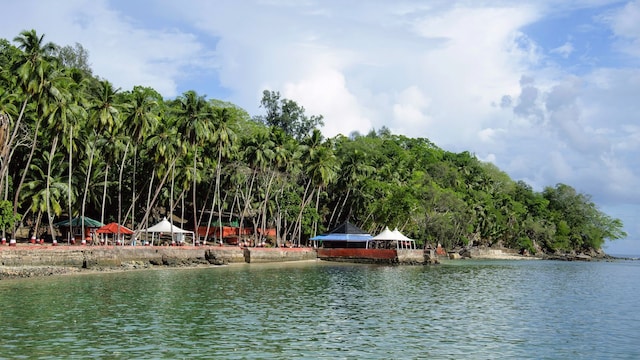
7/107. Andaman and Nicobar Islands: The rainforests of the Andaman and Nicobar Islands are a lush and diverse ecosystem, covering approximately 86% of the landmass. These dense tropical forests showcase a rich blend of Indian, Burmese, and Malaysian plant and animal species. The canopy features towering trees like the Dipterocarpus and the prized Andaman redwood, while the undergrowth is thick with epiphytes, rare orchids, and tree ferns. The untouched interiors also shelter indigenous and vulnerable populations, such as the Shompens and Great Andamanese. (Image: Canva)
 8/10
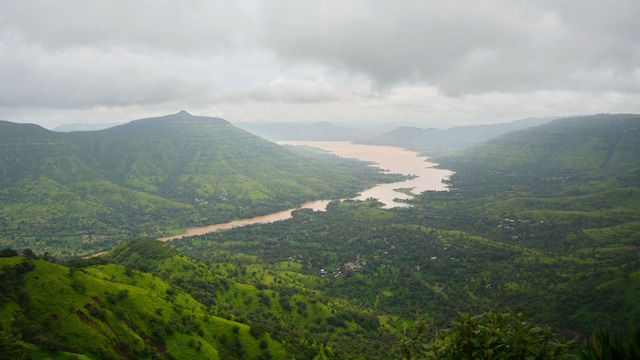
8/108. Maharashtra: Primarily located within the UNESCO World Heritage-listed Western Ghats, Maharashtra’s lush, mist-covered forests receive over 2500 mm of rainfall each year, fostering highly diverse ecosystems. This region is rich in dense canopies, rushing waterfalls, and unique wildlife. (Image: Canva)
 9/10
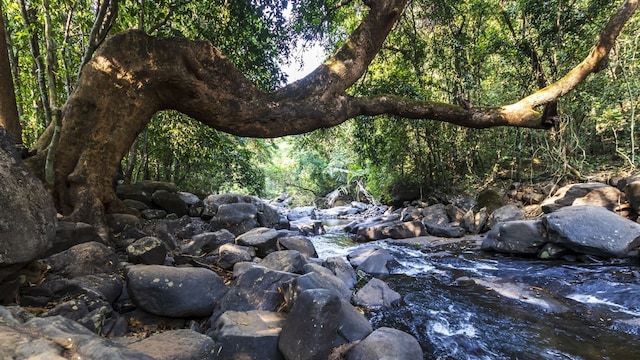
9/109. Goa: Situated within the Western Ghats biodiversity hotspot, Goa’s rainforests offer a lush sanctuary characterized by dense vegetation, towering canopies, and diverse wildlife. This region hosts cascading waterfalls and numerous endemic species. (Image: Canva)
 10/10
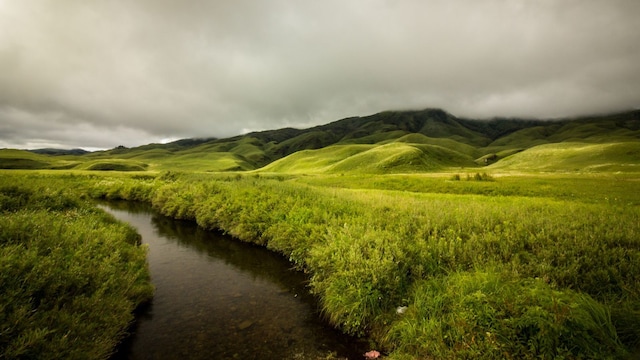
10/1010. Nagaland: Roughly one-sixth of Nagaland’s land area is covered by these lush, moisture-retaining forests. Lower elevations host tropical hardwoods like mahogany and valuable timber, while the higher elevations gradually shift to subtropical pines. This region is home to about 100 species of wild orchids, dense bamboo clusters, hoolock gibbons, Bengal tigers, sloth bears, clouded leopards, the rare pangolin, and the state animal, the Mithun, among other wildlife. (Image: Canva)