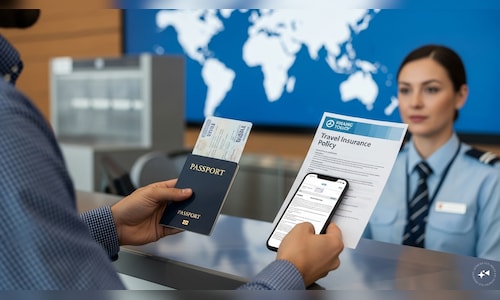
Travel insurance has evolved beyond just covering lost luggage or delayed flights. For numerous destinations, it has become a mandatory travel requirement that can …


 1/11
1/11Travel insurance is no longer just an optional add-on before an international trip. Nowadays, numerous countries require visitors to have valid travel insurance before granting visas or allowing entry. Here’s a glimpse into the countries where travel insurance is mandatory and essential information travelers should know before they embark on their journey.
 2/11
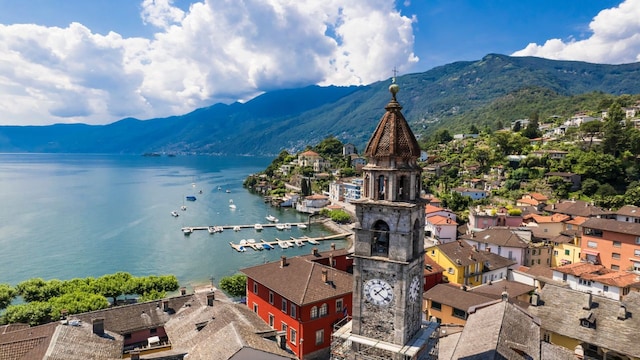
2/11Schengen countries | If you’re planning a trip to Europe, travel insurance is essential for those applying for a Schengen visa. Nations such as France, Italy, Germany, Spain, Switzerland, and others require a minimum insurance coverage of €30,000. The policy must include emergency medical treatment, hospitalization, and repatriation across all Schengen member states.
 3/11
3/11United Arab Emirates | If you’re heading to Dubai or Abu Dhabi, be aware that the UAE mandates travel health insurance for many visa categories. In numerous instances, insurance is built directly into the visa process. Given that healthcare in the UAE can be very costly for tourists, authorities require visitors to have coverage for emergencies and hospital bills. Activities such as desert safaris or jet skiing may necessitate additional coverage.
 4/11
4/11Cuba | Cuba has enforced travel insurance regulations for foreign visitors for many years. Tourists must have insurance valid in Cuba and may be required to provide proof upon arrival. Those without approved coverage might need to buy a local insurance plan directly at the airport before entering the country. This rule ensures coverage for unexpected medical treatment and emergency healthcare costs for international travellers.
 5/11
5/11Saudi Arabia | Saudi Arabia has integrated basic travel insurance with its tourist eVisa system. This policy typically covers emergency medical treatment and COVID-related healthcare costs during the visit. However, those planning adventure activities or extensive travel are often advised to consider more comprehensive coverage. This initiative is part of the kingdom’s efforts to enhance tourism infrastructure.
 6/11
6/11Qatar | Qatar has a government-backed mandatory insurance scheme for visitors. Travelers might need to purchase approved health insurance either before arrival or during visa extension procedures. The mandatory plan typically covers emergency and basic medical care. However, it may not encompass baggage loss, cancellations, or evacuation benefits, which makes additional travel insurance advisable for many tourists.
 7/11
7/11Turkey | Turkey closely associates travel insurance with its tourist visa application process. Visitors applying for Turkish visas are often required to show proof of insurance that covers their entire stay. While verification may vary, insurance remains a vital requirement for numerous international travellers entering Turkey. Medical coverage and emergency assistance are typically the primary focuses.
 8/11
8/11Russia | Many foreign visitors to Russia, particularly those applying for e-visas, are required to carry travel medical insurance. This insurance must remain valid for the duration of their stay and cover emergency medical costs. Travellers may be asked to provide proof at immigration checkpoints or during visa applications.
 9/11
9/11Nepal | If you’re headed for trekking or mountaineering in Nepal, insurance is frequently required. Trekkers going to high-altitude regions usually must carry policies covering emergency evacuations and helicopter rescue services — costs that could otherwise reach thousands of dollars. Travel experts recommend confirming altitude limits in policies prior to departure.

(Photo Credit : Wikimedia Commons)
10/11Georgia | Georgia has been tightening travel insurance requirements for incoming tourists. Authorities have introduced mandatory health and accident insurance mandates for travelers, aimed at ensuring that tourists can cover emergency healthcare expenses during their trip.
 11/11
11/11Ecuador & Galápagos | Those visiting Ecuador, particularly the Galápagos Islands, are strongly advised — and in some instances required — to have travel medical insurance. Given the islands’ isolation, emergency medical evacuations can be extraordinarily costly. Having insurance ensures that tourists can obtain treatment or transportation without financial complications.