In an interview with CNBC-TV18, Victor Gao, Chair Professor at Soochow University, described the ceasefire as “excellent news for the entire world,” reflecting on the significant drop in crude oil prices below $100 per barrel and a surge in global equities following the announcement. Nonetheless, he warned that uncertainty surrounding Washington’s next actions continues to cloud the outlook. “It remains uncertain whether the United States will fulfill its commitments in the upcoming weeks,” Gao mentioned, adding that this pause could either lead to peace or set the stage for further military action.
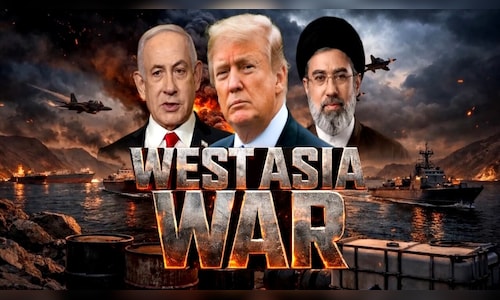
The ceasefire was declared just hours ahead of US President Donald Trump’s deadline for possible strikes on Iranian facilities and hinges on the complete reopening of the Strait of Hormuz, a vital artery for global oil commerce. Iran has guaranteed safe passage through the strait during this period, while the US has pledged support to alleviate shipping congestion, contributing to stability in energy markets.
Gao pointed out that the conflict has inflicted heavy costs on all involved, labeling it as “utterly irrational, unjustified, and meaningless,” with no clear victor despite substantial losses in lives, infrastructure, and economic stability. He also noted that diplomatic efforts, particularly from China and Pakistan, were crucial in bringing both parties to negotiations.
While the ceasefire has stabilized sentiments temporarily, doubts linger regarding its permanence. Manpreet Sethi, Distinguished Fellow at CAPPS, stated that while the agreement has reduced immediate tensions, maintaining it will be challenging due to the number of stakeholders involved. “The current concern is whether the ceasefire will endure, as there are three parties involved and any one could jeopardize it,” she articulated, explaining that the next two weeks will be pivotal in determining if the truce develops into a lasting resolution.
Geopolitical risks remain high on the ground. Israel has supported the ceasefire but indicated that operations linked to Lebanon will persist, even as Iran has issued new threats of retaliation. Reports of drone interceptions and assaults on infrastructure in the region underscore the volatility despite the official halt in hostilities.
Simultaneously, new economic opportunities are arising from the conflict. Iran is contemplating implementing transit fees of up to $2 million per vessel passing through the Strait of Hormuz, a decision that could potentially generate tens of billions of dollars annually and alter global shipping expenses. This proposal emerges amidst broader discussions, including a reported 10-point framework from Tehran addressing issues like sanctions relief, control over the strait, and nuclear enrichment.

Also Read | US-Iran ceasefire fragile, deep distrust could derail talks: Former foreign secretary
Sethi also highlighted the ongoing uncertainty surrounding Iran’s nuclear program, noting that limited visibility since recent attacks has raised new concerns. “It is uncertain where it is secure, or if it lies buried under debris,” she explained, pointing out the risks linked to military operations near nuclear facilities and the potential for broader regional repercussions.
With Pakistan scheduled to host high-level discussions aimed at securing a more sustainable agreement, the upcoming days are anticipated to be crucial. For now, the ceasefire has provided a respite to markets and policymakers, but as both experts have emphasized, the future remains uncertain and the risk of escalation is far from resolved.