The TVK, established in 2024 and contesting its inaugural election, secured an impressive 108 out of 234 seats in the Tamil Nadu Assembly, narrowly missing a majority. The party had no prior electoral experience, not even in local elections. Most of its candidates were unknown to the electorate, raising doubts about their chances against the well-entrenched Dravidian powerhouses, DMK and AIADMK, which have governed Tamil Nadu since 1967.
Analysts anticipated that the TVK would attract a substantial portion of Gen Z votes, leveraging Vijay’s appeal among younger voters and performing well in urban areas. Some suggested a potential vote share of 20-25% and possibly a dozen seats. However, the reality astonished even the TVK’s own members.
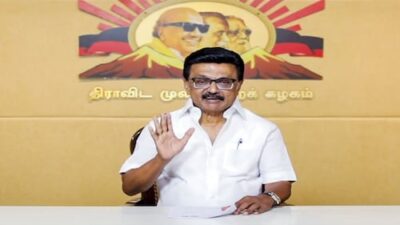
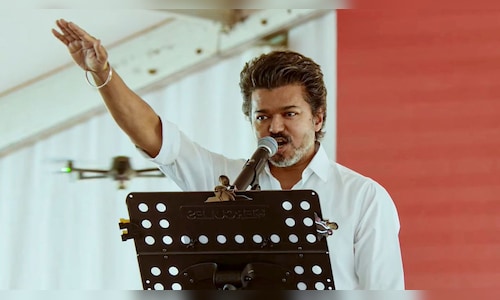
The election yielded remarkable outcomes. Chief Minister M. K. Stalin lost his own constituency, the DMK was defeated in its Chennai stronghold, and the AIADMK suffered major losses in Western Tamil Nadu. Vijay won both the seats he contested: Perambur in Chennai and Trichy East. Ironically, he hardly campaigned, holding fewer than twelve meetings over more than a month, often with breaks in between. His speeches rarely exceeded 15-20 minutes, mostly attacking the DMK while making limited promises. He did commit to numerous freebies, creating concerns about the state’s financial capacity to support these initiatives.
Following the election, the TVK began seeking support for the 11 seats required to secure a majority. Within a day, the Congress, which captured 5 seats, offered their backing. Several smaller parties, previously aligned with the DMK or AIADMK, might also assist the TVK in reaching a majority. It’s unlikely that the AIADMK or DMK would attempt to obstruct the TVK from forming a government.
What type of governance is Vijay likely to implement? It remains unclear. He has mentioned tackling corruption and enacting significant reforms, but the specifics of those changes are still unknown, as is the fate of the promised freebies.
Vijay’s win disrupts established norms of electoral success. Traditional wisdom states that success requires a robust grassroots organization, a consistent campaign, substantial funding, and accurate caste calculations. All these were disregarded. The caste backgrounds of the TVK candidates were largely unknown, and they didn’t spend even a fraction of the funds that the major parties did. There was no daily campaign from the leader; instead, fan clubs acted as the party’s organization. None of these factors seemed to hinder their ability to garner votes.
Vijay has remained largely inaccessible, not once addressing the media or providing an interview regarding his political stance. The TVK, in many ways, is a mystery box, and clarity on their governance intentions will only emerge in the coming weeks.
For the two Dravidian parties, a crisis looms. The AIADMK faces an existential threat, having lost for the second consecutive time and finishing in third. Edappadi Palaniswamy has struggled to engage young voters and maintain even the traditional caste support for the AIADMK. His leadership will certainly be questioned.
As for the DMK, the potential loss of the minority vote represents a significant crisis. Their recent victories relied heavily on the consolidation of minority votes, which account for nearly 15% of the electorate. This support has partially shifted to the TVK, and if Congress aligns with the TVK government, that shift could deepen. An aging M. K. Stalin may struggle to keep traditional voter bases intact. Vijay’s portrayal of the DMK as an “Evil force,” akin to messages used by MGR and Jayalalithaa, appears to resonate with the youth.
For the TVK, the real test might just be beginning. An electorate tired of the alternating power between the two Dravidian parties has provided them with an opportunity, perhaps even beyond their own expectations. Can they deliver?