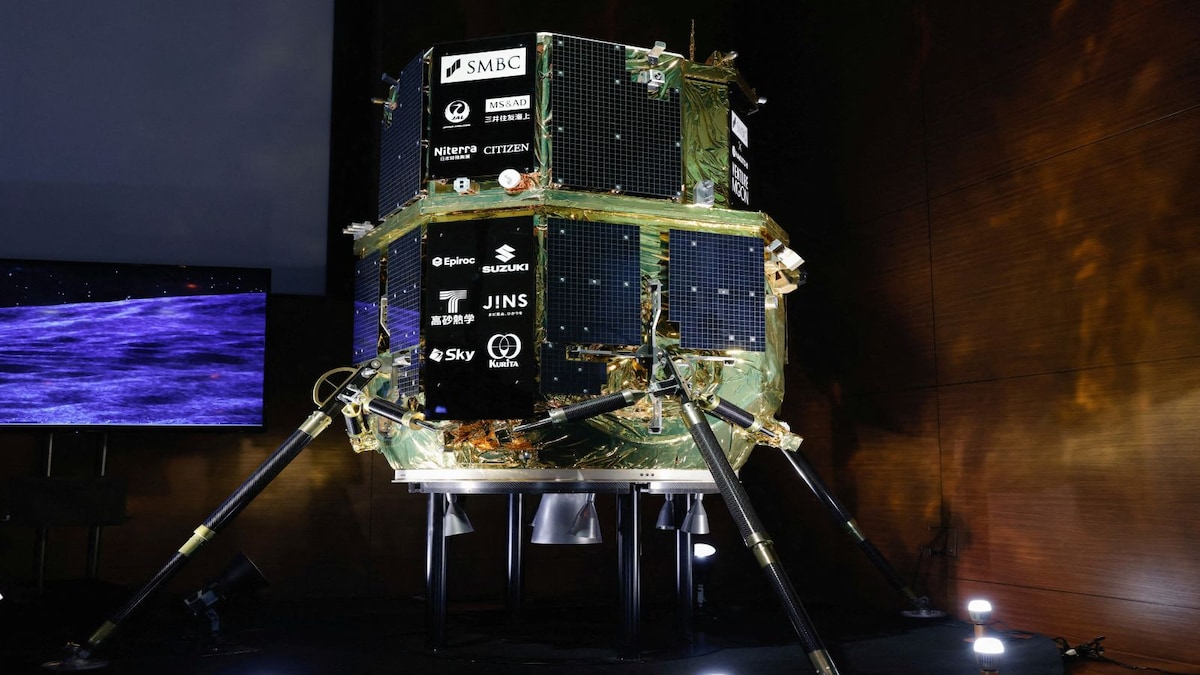
Based in Tokyo, ispace has secured 500 kg (1,102 lb) of capacity for $50 million on a Starship that is set to land on the moon as early as 2030. Additionally, the company will develop a lunar surface vehicle designed to accommodate payloads from clients around the world sharing their journey to the moon on Starship, they stated.
The new “lunar access integrator” service will offer moon-bound “buses,” complementing ispace’s continuing work on dedicated lunar landers, or “taxis,” designed for the moon’s surface, mentioned ispace Executive Vice President Hideari Kamiya.
In previous endeavors, ispace attempted lunar touchdowns using SpaceX’s Falcon 9 rockets in 2023 and 2025 without success.
The Tokyo-based organization is now targeting a soft landing for three landers, named Ultra, on the moon by 2030, including a mission that is part of NASA’s Commercial Lunar Payload Services program.
As ispace progresses with its Ultra missions, the partnership with SpaceX is expected to “exponentially” boost its growth in the lunar infrastructure sector, according to Chief Executive Takeshi Hakamada.
SpaceX expressed enthusiasm over expanding its collaboration with ispace to conduct missions using Starship, a reusable transport system that, unlike Falcon 9, features a spacecraft intended for lunar and eventually Martian missions.
“Their integration services offer a valuable avenue for smaller payloads to secure a ride to the Moon today, and we anticipate supporting ispace and their clients as they enhance access to the lunar surface,” said Stephanie Bednarek, SpaceX’s vice president of commercial sales, in a statement.
The partnership is non-exclusive. NASA aims to utilize Starship’s inaugural lunar landing in 2028 as part of its Artemis program to return astronauts to the moon. US lunar rover startup Astrolab has also reserved space for a future Starship flight.
“SpaceX was the first to approach us” with the integrator business concept, Hakamada noted.
“While we cannot dismiss the possibility of other companies entering the market, few may be able to integrate cargo and continue providing services post-landing on the moon.”