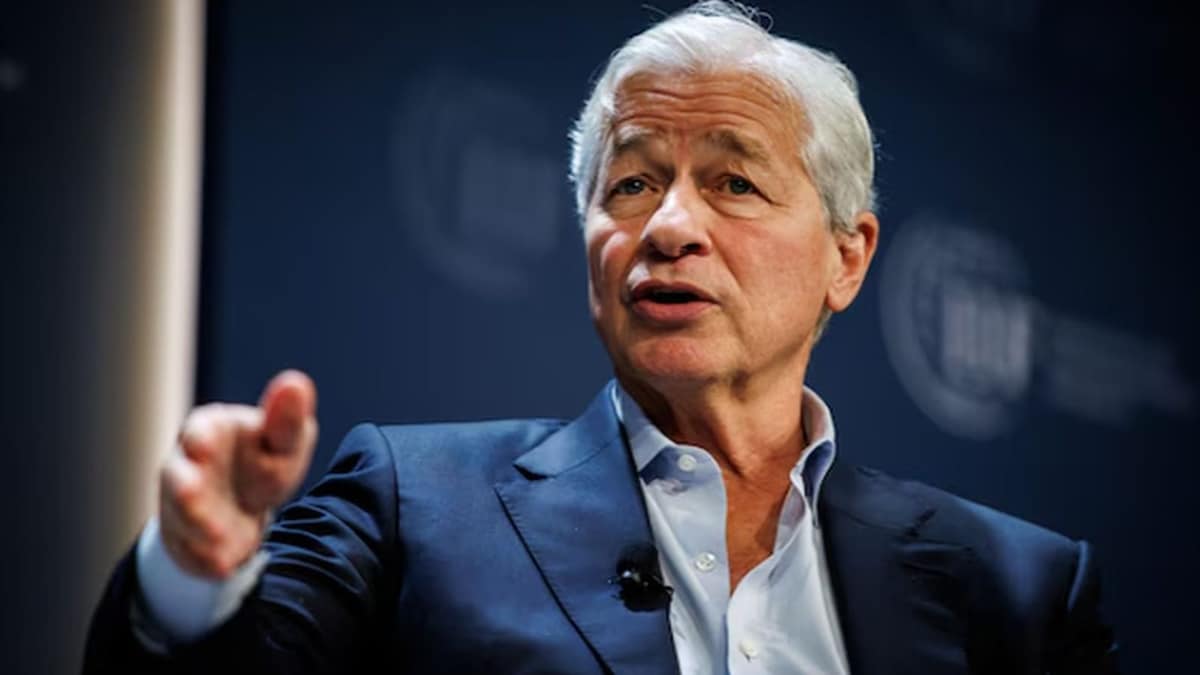
In a CNBC interview, Dimon highlighted that AI is already progressing beyond chatbots and software, venturing into scientific research and practical applications.
“AI itself is positioned to cure cancer. It will diminish fatalities on roads and in hospitals. It will lead to the creation of new composite materials. It’s poised to be remarkable,” Dimon remarked.
He acknowledged that AI, like any significant technology, presents inherent risks.
“With any emerging technology, there are negatives. Planes can be misused. Drugs are misapplied. Our goal is to maximize AI’s benefits,” he explained.
Dimon noted that AI is now being utilized more extensively in research, medicine, and the physical sciences than ever before.
“For the first time, AI is being integrated deeply into research, medical science, the physical sciences, and real-world scenarios. There’s much more to anticipate,” he stated.
AI spending must eventually yield returns
Dimon also addressed mounting anxieties about companies potentially overspending on AI without clear investment returns.
He stated that businesses are still in the nascent stages of grasping AI economics and will gradually adopt a more disciplined approach to cost evaluation.
“I think we are in a very initial phase. Clearly, many CEOs are discussing the returns on AI,” he noted.
He also pointed out that some AI expenditures might become vital for maintaining competitiveness, even if they can’t be justified with conventional financial metrics.
“At times, you implement something simply because it’s necessary. You want to enhance customer service, which cannot always be quantified through traditional methods,” Dimon said.
He added that companies will continue to negotiate with AI vendors as they do with any suppliers to ensure they get value for their investments.
Data protection remains a priority
In response to concerns regarding the potential misuse of customer data by major AI firms to refine their models, Dimon mentioned that JPMorgan is maintaining a cautious stance.
“We are extremely protective of our data and intellectual property,” he said. “You can expect JPMorgan to exhaust all efforts to safeguard its data, its IP, and our customers.”
Dimon also anticipates that AI providers will need to align their pricing with customer expectations, particularly as enterprises increasingly evaluate the value derived from AI services.
AI is driving investment, but isn’t the whole story
When asked if AI is the key driving force behind the resilience of the US economy, Dimon acknowledged its significance but emphasized that it’s not the sole factor.
He pointed out that while AI-related capital expenditure is considerable, broader American innovation spans a variety of sectors, including manufacturing, agriculture, and healthcare.
“The American economy is immensely intricate,” he remarked. “American innovation is pervasive.”