This comment was made during an interview with Iranian state television on Wednesday.
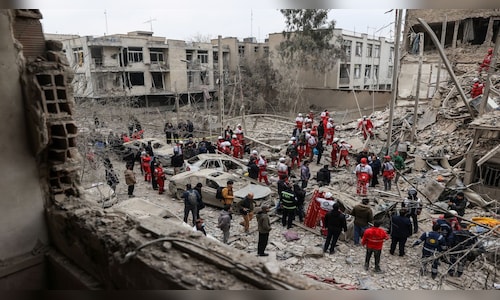
The Islamic Republic rejected a US proposal to pause the conflict in West Asia and intensified its attacks on Israel and Gulf Arab nations, including an operation that caused a significant fire at Kuwait International Airport.
Iran’s defiance coincided with Israel’s airstrikes on Tehran and the United States deploying additional paratroopers and Marines to the area.
Earlier, two Pakistani officials, who relayed the US plan to Iran, outlined the 15-point proposal, mentioning that it involved sanctions relief, curtailment of Iran’s nuclear activities, limitations on missiles, and reopening the Strait of Hormuz, a critical route for a fifth of the world’s oil shipments.
An Egyptian official engaged in mediation efforts indicated that the proposal also encompassed restrictions on Iran’s backing of armed groups. These officials spoke on the condition of anonymity regarding details that have not yet been made public.
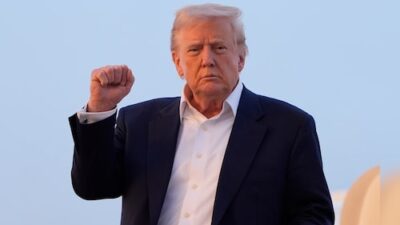
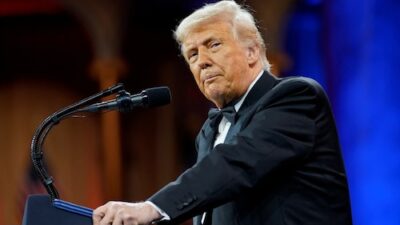
White House press secretary Karoline Leavitt maintained that the US and Iran are engaged in ongoing discussions, despite Iranian officials’ denials. “Talks continue. They are productive, as the president said on Monday, and they continue to be,” Leavitt remarked during a White House briefing on Wednesday.
She cautioned that if discussions with Iran do not yield results, President Donald Trump “will ensure they are hit harder than they have ever been hit before.”
Some aspects of the US ceasefire proposal were considered nonstarters in negotiations prior to the war: Iran has reiterated that it will not discuss its ballistic missile program or its support for regional militias, which it regards as crucial to its security. Moreover, Iran’s control over the Strait of Hormuz stands as one of its most significant strategic advantages.
Iran’s assaults on regional energy infrastructure, coupled with its limitations on the strait, have driven oil prices to surge, pressuring the US to find a resolution to ease the situation and stabilize markets.