The Iranian foreign ministry did not specify the sites of its “defensive” strikes, which it claimed were in response to “the barbaric air strikes” by the U.S. on its coastal monitoring facilities, also asserting that these actions violated the U.N. Charter.
Subsequently, Bahrain, home to the U.S. Navy’s Fifth Fleet, condemned an alleged Iranian drone strike on its territory, labeling it a serious breach of its sovereignty and a risk to its security, while reserving the right to protect itself.
The U.S. did not respond immediately to Iran’s claims of attacking American targets, a tactic aimed at diminishing U.S. allies in the region amidst the conflict.
The U.S. military stated that its strikes on Friday were a reaction to an Iranian drone attack on a cargo vessel in the Strait of Hormuz, a crucial passage for global energy supplies.
IRAN MAINTAINS CONTROL OVER CRUCIAL STRAIT
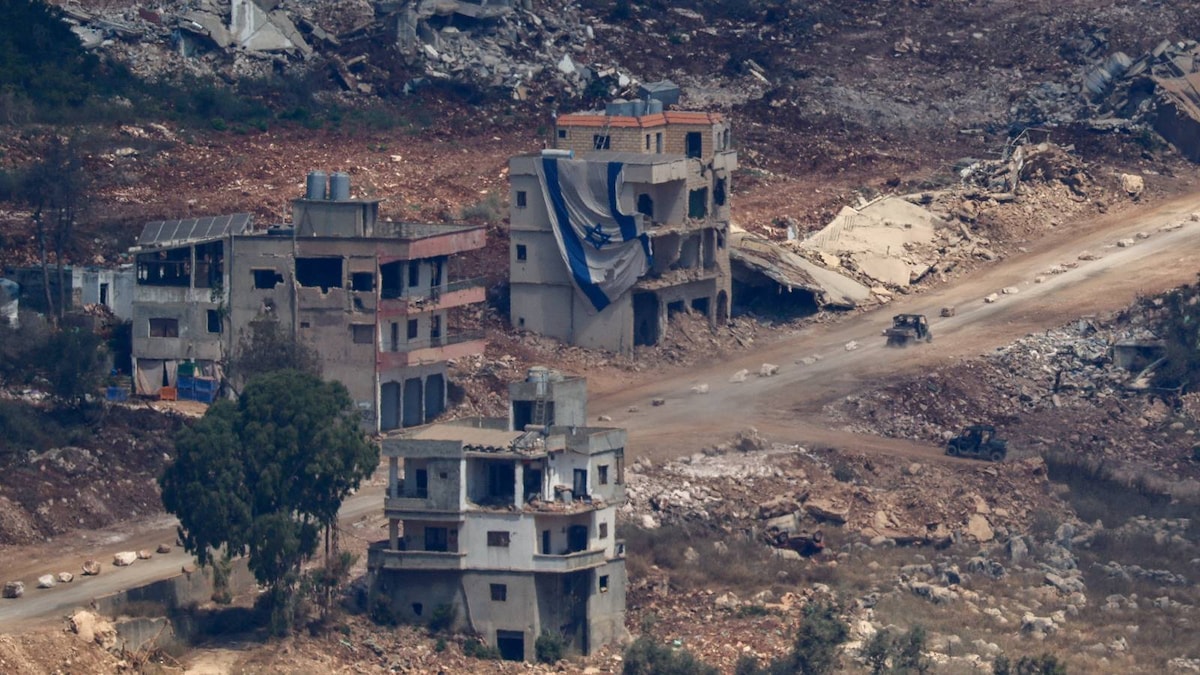
In a separate development, Israel and Lebanon reached an agreement to cease hostilities between Israel and the Iran-backed Hezbollah. Both parties indicated that the deal represents an initial step, requiring Hezbollah to disarm and Israel to withdraw forces from Lebanon, though enforcement details remain unclear. Hezbollah stated it would not comply.
Iranian state television reported that the Revolutionary Guards had taken “decisive action” after U.S. forces struck a communications tower in the port city of Sirik. Iran’s Mehr news agency noted that the port was functioning normally, with no reported damage to facilities or equipment.
Bahrain criticized Iran’s ongoing assaults, despite efforts for de-escalation at both regional and international levels, claiming they threaten peace and stability. It accused Tehran of violating U.N. Security Council Resolution 2817 and the memorandum of understanding established on June 17 in Islamabad.
Following a strike on a cargo ship near Oman’s coast on Thursday, Iran did not accept responsibility but maintained its authority to regulate shipping through the Strait of Hormuz, asserting that vessels must adhere to routes set by Tehran and warning Gulf nations against aligning with Washington. It also claimed that the Iran-U.S. interim agreement granted it oversight of maritime traffic in the strategic waterway.
Ebrahim Azizi, chair of the Iranian parliament’s national security committee, stated on Saturday that any breach of Iran’s shipping regulations in the strait would be met with decisive action.
U.S. Central Command denounced what it termed Iran’s Thursday attack as “unjustified aggression against commercial shipping,” affirming that the U.S. would continue to offer “safe passage coordination and support” for commercial vessels navigating the strait—where one-fifth of the global oil and LNG supplies transited before the conflict escalated on February 28.
‘VIOENCE WILL BE COUNTERED WITH VIOLENCE,’ VANCE STATES
Vice President JD Vance, previously seen as hesitant regarding U.S. intervention in Iran but now serving as a key representative for President Donald Trump concerning the conflict, affirmed that the U.S. has adhered to the ceasefire agreement, also referred to as a memorandum of understanding.
“Iran entered into a ceasefire agreement. We have upheld it. If they have concerns about the application of the MOU, they can reach out. However, any violence will face a corresponding response,” Vance stated on X.
Prior to the renewed violence, oil prices dipped approximately 3% on Friday, trending toward significant weekly declines as oil tankers left the Strait of Hormuz.
Saudi Aramco resumed crude oil loadings at its Ras Tanura terminal in the Gulf, the world’s largest oil port, after being halted for nearly four months, according to shipping data. Fertilizer shipments through the strait have also increased, alleviating worries about a surge in global food prices.
U.S. Secretary of State Marco Rubio, concluding a trip to the Gulf to reassure allies regarding the interim agreement, released a joint statement with the Gulf Cooperation Council advocating for “free, unconditional, and unrestricted navigation” in the strait, free of tolls or “attempts to assert control.”
Iran’s foreign ministry remarked that governance of the strait should involve both Iran and Oman, while Ali Akbar Velayati, a senior advisor to Iran’s supreme leader, cautioned Washington’s Gulf partners that their survival hinged on Tehran’s tolerance.