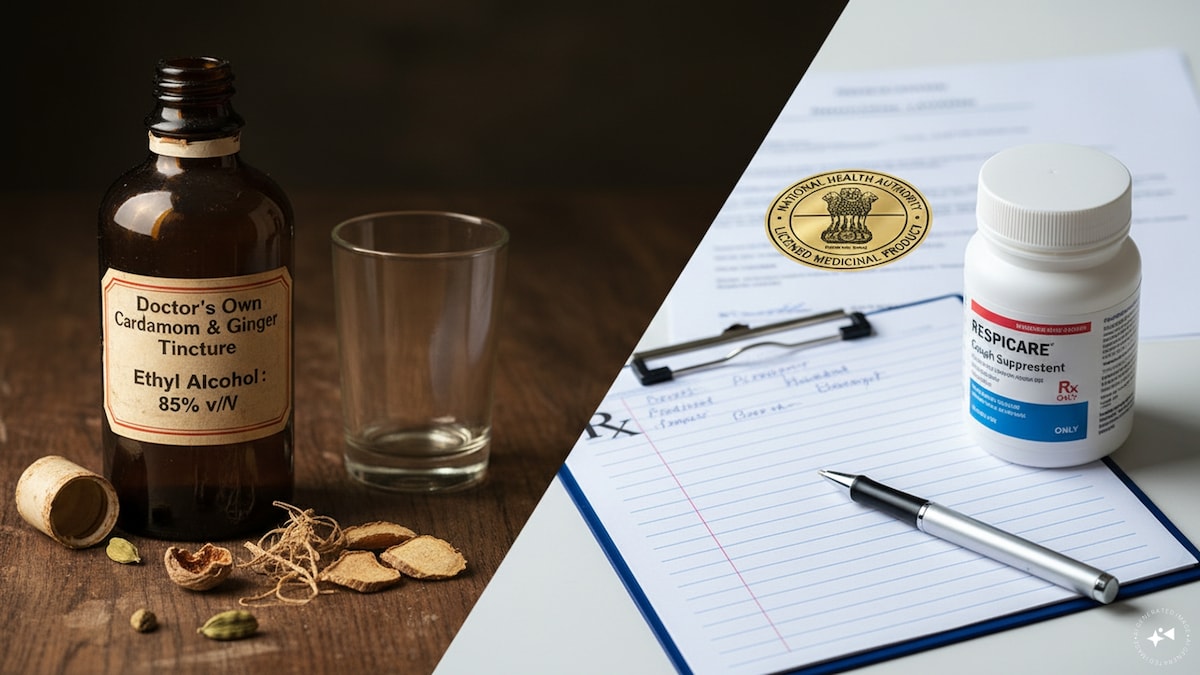
Some medicinal products, such as tinctures of cardamom, ginger, and other aromatic formulations, have been exempted from licensing obligations per Schedule K of the Drugs Rules, 1945, according to the ministry.
Certain formulations have high concentrations of ethyl alcohol, with some reaching 80-90% volume per volume (v/v), raising concerns about potential misuse for intoxication, they noted.
Feedback from various state governments has been received regarding this issue, the ministry added.
In response to this concern, the government has mandated that formulations containing more than 12% v/v ethyl alcohol, in quantities greater than 30 ml, will no longer enjoy the exemption under Schedule K.
These products will need to obtain the required licenses as per the Drugs and Cosmetics Act, 1940, the ministry indicated.
The amendment also places these products in Schedule H1 of the Drugs Rules, 1945, necessitating sales against the prescription from a registered medical practitioner and more stringent record-keeping.
“The amendment aims to enhance regulatory oversight over medicinal products containing alcohol, ensuring their distribution occurs only through the regulated pharmaceutical supply chain.
“It will greatly reduce the chances of diversion and misuse while safeguarding their availability for legitimate therapeutic purposes,” the ministry elaborated.
The amendments are designed to modify the provisions under Schedule K of the Drugs Rules that have been exploited in some regions, sources revealed.
“It permitted certain preparations with ingredients like cardamom, ginger, and other spices to remain exempt from the established alcohol content limits. This exemption resulted in the sale of some products containing ethyl alcohol levels as high as 80%, despite being marketed as medicinal,” a source reported.
The proposed modifications aim to establish a consistent regulatory framework across all categories of medicines containing ethyl alcohol.
The existing regulations under the Drugs Rules already set alcohol limits for various traditional medicinal systems.
According to Rule 161, Ayurvedic, Siddha, and Unani syrups can have a maximum of 16% alcohol. Likewise, Rule 106B restricts the alcohol content in Homeopathic medicines to 12%.
The amendment suggests that medicinal formulations possessing more than 12% ethyl alcohol can no longer claim exemption under Schedule K solely based on the inclusion of ingredients like cardamom, ginger, or other spices.
This initiative is aimed at curbing the misuse of such products while ensuring that legitimate medicinal formulations are regulated under the relevant provisions of the Drugs Rules, sources indicated.
The initiative aligns with the government’s ongoing efforts to fortify the regulatory framework for drugs, encourage the rational and responsible use of medicinal products, and protect public health, the ministry concluded.
A gazette notification detailing the amendments is accessible on the ministry’s website.