 1 / 7
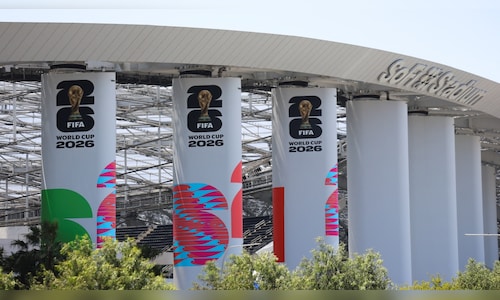
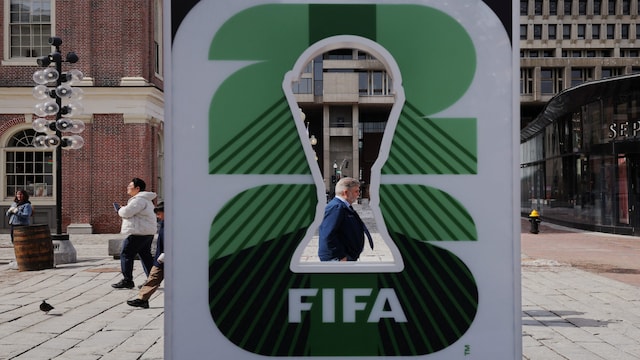
1 / 7In a historic milestone for the FIFA World Cup, the 2026 edition will be uniquely hosted by three nations: the United States, Mexico, and Canada. This tournament, stretching across 16 vibrant host cities and featuring 48 teams, marks the largest World Cup ever. Each venue—from Mexico’s classic football cathedrals to the vast NFL stadiums in the U.S. and modern arenas in Canada—contributes its distinct flair to the event. In the coming weeks, these stadiums will serve as the heartbeat of global football as North America readies itself for an extraordinary World Cup experience. (Image Source: Reuters)
 2 / 7
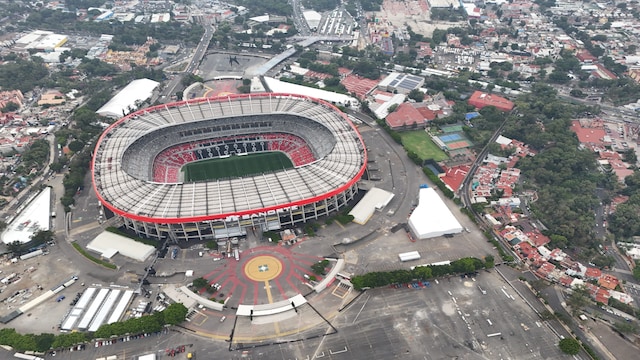
2 / 7No. 1 | Mexico City Stadium | No venue in world football embodies World Cup history like Mexico City Stadium. With a grand opening in 1966 and a seating capacity of 83,000, it will host five matches during the 2026 tournament. It holds the distinction of being the first stadium to host matches in three FIFA World Cups, following its role in 1970 and 1986. Historic moments, like Pelé lifting the trophy in 1970 and Diego Maradona’s unforgettable performances in 1986, unfolded here. (Image Source: Reuters)
 3 / 7
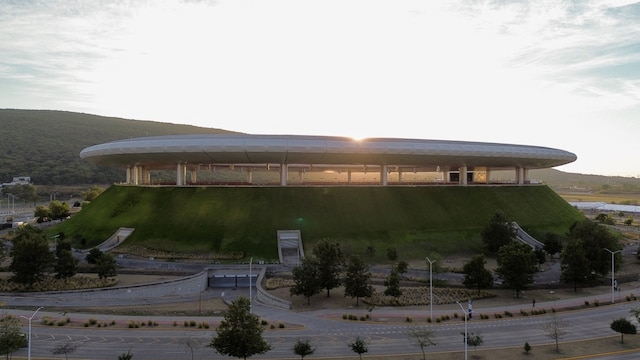
3 / 7No. 2 | Guadalajara Stadium | Opened in 2010, Guadalajara Stadium has a capacity of 48,000 and will host four matches during the FIFA World Cup 2026. Situated in Zapopan, it lies at the center of one of Mexico’s most fervent football regions. The venue is closely linked to Chivas, one of the nation’s most beloved clubs, and showcases the rich football culture that characterizes Guadalajara. Local fans are renowned for their passionate support, making the stadium one of the most electrifying football venues in the country. In 2026, it will again take center stage as the world gathers in Mexico. (Image Source: Reuters)
 4 / 7
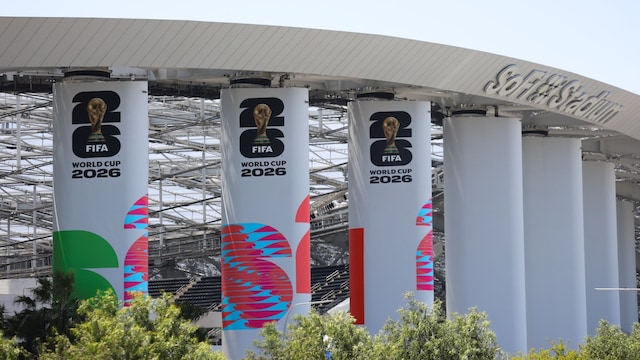
4 / 7No. 3 | Los Angeles Stadium | Situated in Inglewood, California, Los Angeles Stadium debuted in 2020 with a capacity of 70,000 and will host eight matches during the World Cup. Known for its avant-garde design and entertainment-centric atmosphere, it mirrors the essence of Los Angeles. The arena’s impressive suspended video board has become a defining feature in global sports. Beyond the World Cup, this stadium will also co-host the opening and closing ceremonies of the 2028 Summer Olympics. (Image Source: Reuters)
 5 / 7
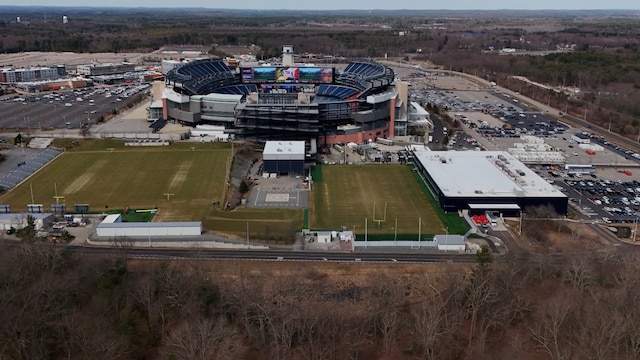
5 / 7No. 4 | Boston Stadium | Boston Stadium is set for the 2026 FIFA World Cup after extensive renovations that aim to enhance the fan experience. Located in Foxborough, Massachusetts, this venue opened in 2002 and accommodates 65,500 spectators. It will host seven matches throughout the tournament. The stadium merges a rich sporting legacy with modern amenities, positioning it as a key venue in the northeastern United States. (Image Source: Reuters)
 6 / 7
6 / 7No. 5 | Miami Stadium | Miami Stadium is a cultural nexus where sports, entertainment, and art converge. Opened in 1987 and situated in Miami Gardens, Florida, it holds 65,000 spectators and will host seven matches during the 2026 World Cup. Throughout its history, it has welcomed Super Bowls, El Clásico Miami, international football competitions, and major concerts. Its strong ties to the vibrant Latin culture of the city give it a distinctive character among World Cup venues. Anticipated to draw supporters from around the globe, Miami stands as one of the most internationally connected cities in North America. (Image Source: Reuters)
 7 / 7
7 / 7The FIFA World Cup 2026 will traverse six time zones and cover over 4,500 kilometers between venues, transporting teams from the coastal lowlands of Miami to the heights of over 2,240 meters in Mexico City. This tournament will be a tapestry woven from diverse cultures, climates, and football traditions. From historic venues that have seen the sport’s most unforgettable moments to cutting-edge stadiums built for the future, each host city contributes its own unique narrative to this grand event. (Image Source: Reuters)