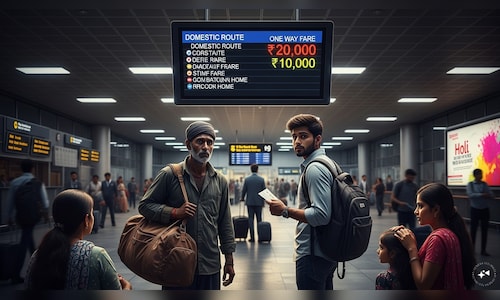
Holi, which takes place in early March this year, typically sees a spike in travel as migrant workers and students return home, and families secure last-minute tickets. With demand on the rise, so do fares. However, this year’s increase is particularly steep.
Fares up to 185% higher
Booking platform data reveals ticket prices on essential routes have surged by as much as 185% compared to fares for dates just a fortnight later. For instance, a Bengaluru–Gorakhpur ticket for 28 February is currently priced around ₹20,829, excluding taxes, while the same route drops to approximately ₹8,000 in mid-March.
This trend is apparent on routes connecting Delhi, Mumbai, and Bengaluru with cities in eastern Uttar Pradesh and Bihar, corridors that witness significant festive travel annually.
Airlines use dynamic pricing; as demand rises and seats fill, fares escalate. This pattern is common during major festivals like Holi. What distinguishes this year is the extent of the hike and the lack of alternatives, as train tickets on popular routes are already waitlisted.
“Very serious concern”, says Supreme Court
On Monday, Justices Vikram Nath and Sandeep Mehta acknowledged petitions claiming arbitrary fare setting. As reported by Bar and Bench, the court stated, “This is a very serious concern. Otherwise, we don’t entertain Article 32 petition.”
Representing the Centre, Additional Solicitor General Anil Kaushik informed the bench that the issue is being reviewed “at the highest level.” He requested four weeks to submit a detailed affidavit outlining the actions taken.
“The Solicitor General has also convened a meeting. We are consulting with the highest authorities,” Kaushik mentioned, seeking time to provide a response.
The court approved the request and scheduled the matter for 23 March.
What it means for flyers
At present, there is no immediate reprieve from high fares. With the hearing weeks away and peak travel days approaching, passengers must contend with limited availability and elevated prices.